- Home
- Sandwich Panel Line
- Roll Forming Machine
- CZ Purlin Roll Forming Machine
- Door Window Curtain Partition Roll Forming Machine
- Gutter Roll Forming Machine
- Clean Partition Panel Machine
- Corrugated Panel Roll Forming Machine
- Double Layer Roof Roll Forming Machine
- High Speed Keel Roll Forming Machine
- Light Steel-Frame Structure Production Line
- C Channel Roll Forming Machine
- Insulated Panels
- Steel Profiles
- About
- Contact
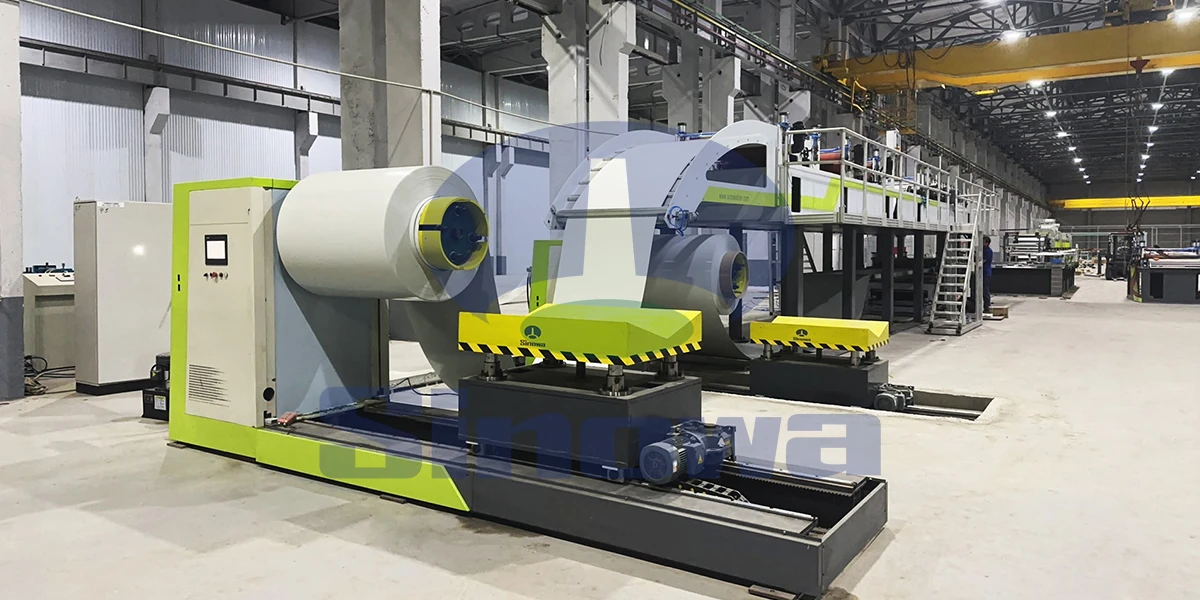
PU Sandwich Panel Production Line
Sinowa is a supplier and manufacturer of PU Sandwich Panel Production Line in china, customization on demand width a reasonable price.
The PU sandwich panel production line stands as a cornerstone of modern industrial manufacturing, merging precision engineering, material science, and automated processing to create high-performance composite building and industrial panels. Unlike traditional single-layer construction materials, PU sandwich panels feature a three-layer composite structure, with a rigid polyurethane foam core sandwiched between two durable facing sheets, and the production line is engineered to transform raw materials into finished panels with consistent quality, uniform dimensions, and tailored functional properties. This integrated production system is designed to streamline the entire manufacturing workflow, from raw material feeding and pretreatment to core foaming, laminating, curing, cutting, and final handling, eliminating manual errors, boosting production efficiency, and ensuring that every panel meets strict structural and performance benchmarks. The versatility of the PU sandwich panel production line extends far beyond basic manufacturing, as it can be adapted to produce panels with varied specifications, core densities, facing materials, and dimensional parameters, making it a vital asset for industries ranging from construction and cold chain logistics to agriculture and industrial facility development.
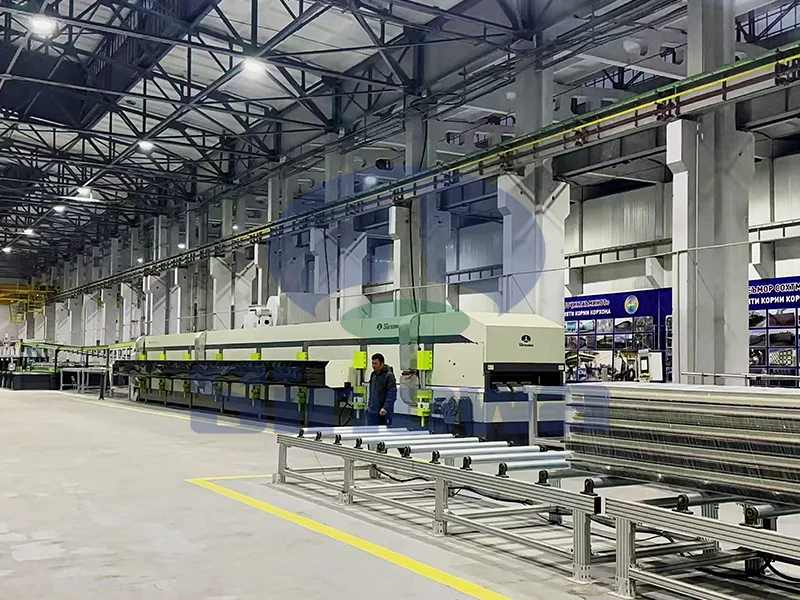
At its core, the structural design of the PU sandwich panel production line is a meticulously integrated system composed of multiple interlocking functional modules, each serving a specialized role in the panel manufacturing process, with seamless coordination between modules to maintain continuous and stable production. The initial stage of the line consists of raw material handling and pretreatment equipment, including uncoiling devices for metal facing sheets, surface cleaning and preheating units, and roll forming machines that shape the facing sheets into standardized profiles with precise edge configurations. These roll forming units are adjustable to accommodate different sheet thicknesses, widths, and profile designs, ensuring the outer layers fit perfectly with the foam core and enable tight interlocking between adjacent panels during installation. Following the pretreatment phase, the line features a high-precision polyurethane foaming and mixing system, which is the heart of the production process; this system accurately meters and mixes polyol and isocyanate raw materials, controlling temperature, pressure, and mixing ratio to trigger a controlled foaming reaction that forms the rigid PU core. Adjacent to the foaming system is the double-belt laminating and curing module, a critical component that presses the foamed core between the two preformed facing sheets under consistent pressure and temperature, promoting strong adhesive bonding between the core and facings and ensuring the panel maintains uniform thickness, flatness, and structural integrity throughout its length. This module also regulates the curing speed of the PU foam, optimizing the cross-linking reaction of the polymer material to enhance core density and mechanical strength without compromising insulation performance.
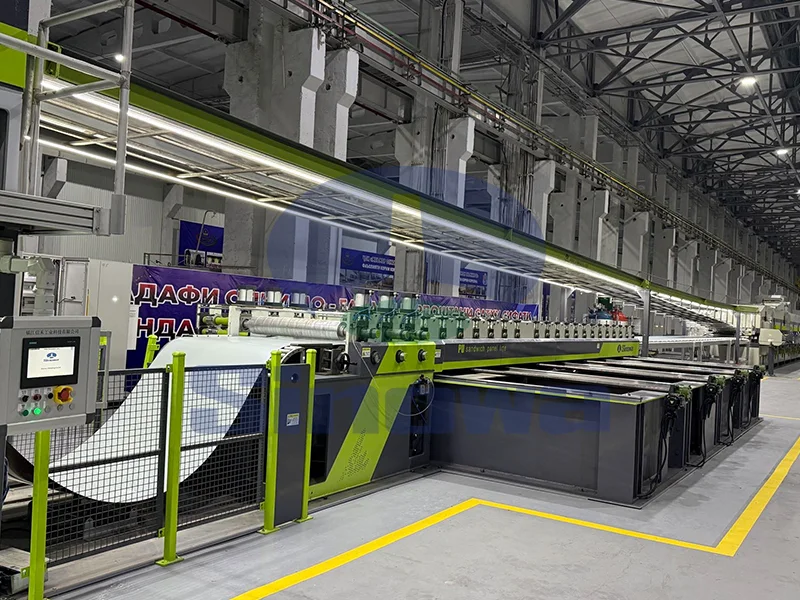
Beyond the core foaming and laminating modules, the production line incorporates precision cutting, cooling, and handling systems to finalize the panels and prepare them for storage and transportation. The cutting unit utilizes advanced cutting technology to trim panels to custom lengths with high accuracy, minimizing material waste and ensuring compliance with project-specific dimensional requirements, while the cooling conveyor system allows freshly cured panels to cool gradually, preventing warping, deformation, or internal stress buildup that could compromise long-term performance. The final handling segment includes stacking, sorting, and packaging equipment, which automates the collection and packaging of finished panels, reducing manual labor and protecting panels from surface damage during transit. The entire production line is governed by a centralized control system that monitors and adjusts key parameters such as line speed, foaming temperature, curing pressure, and cutting dimensions in real time, enabling operators to fine-tune the process for different panel specifications and maintain consistent output quality. This modular structural design not only enhances production flexibility but also simplifies maintenance and component replacement, minimizing downtime and ensuring the line can operate continuously for extended periods to meet large-scale production demands.
The performance characteristics of panels produced by a PU sandwich panel production line are directly shaped by the line’s structural design and process control, delivering a unique combination of mechanical strength, thermal insulation, weather resistance, and lightweight properties that set them apart from conventional building materials. One of the most prominent performance advantages is exceptional thermal insulation, driven by the closed-cell structure of the rigid PU foam core, which traps stationary air within the panel and drastically reduces heat transfer through conduction, convection, and radiation. This high thermal resistance makes the panels highly effective at maintaining stable internal temperatures, cutting energy consumption for heating and cooling in enclosed spaces, and supporting sustainable building practices by reducing reliance on mechanical temperature control systems. In terms of mechanical performance, the composite sandwich structure delivers outstanding load-bearing capacity and structural rigidity despite its low overall weight; the rigid facing sheets resist external impact, bending, and compressive forces, while the PU core distributes stress evenly across the panel surface, preventing cracking, denting, or structural failure under normal operating conditions. This lightweight yet strong profile reduces the dead load on building foundations and supporting structures, enabling faster, more cost-effective construction and expanding the range of architectural designs that can be realized.
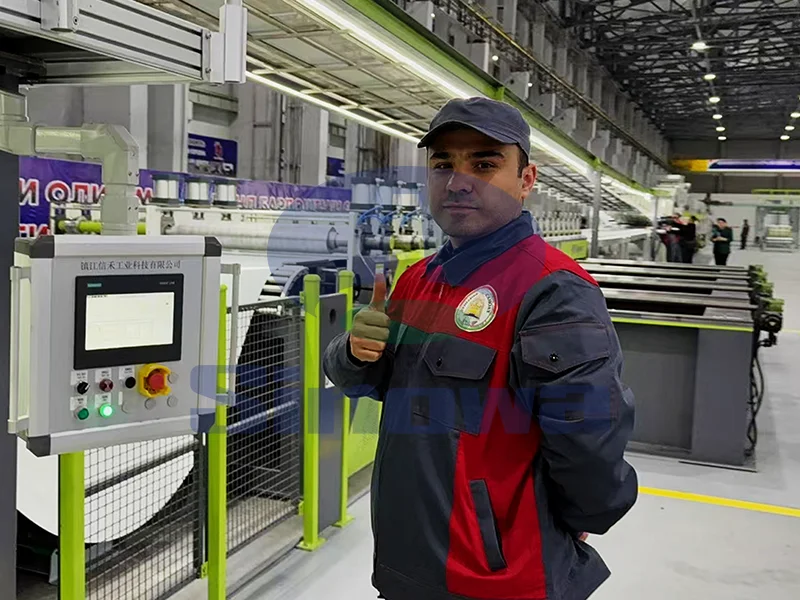
Additional performance benefits of PU sandwich panels include excellent moisture resistance, sound insulation, and dimensional stability, all of which are refined through controlled production processes on the specialized line. The closed-cell PU core repels water and moisture infiltration, preventing mold growth, rot, and material degradation in humid or damp environments, while the bonded facing sheets create a tight, seamless barrier against air and water penetration, enhancing the durability of structures in harsh weather conditions. The dense foam core also acts as an effective sound absorber, dampening airborne and impact noise to create quieter indoor environments, a critical feature for commercial, residential, and industrial spaces alike. Dimensional stability is another key performance trait, as the production line’s precise curing and cooling processes eliminate internal material stress, ensuring panels retain their shape, size, and flatness even when exposed to extreme temperature fluctuations, UV radiation, or mechanical stress over long periods. Unlike some lightweight building materials, PU sandwich panels do not shrink, expand, or warp significantly over time, maintaining a tight fit and preserving the structural integrity of assembled structures for years of use. Collectively, these performance attributes make the panels suitable for both interior and exterior applications, withstanding the rigors of outdoor exposure while delivering consistent functional performance in diverse operational environments.
PU sandwich panel production lines are capable of manufacturing a diverse range of panel types, categorized primarily by facing material, core density, panel profile, and intended functional use, allowing manufacturers to tailor products to the unique needs of different industries and projects. The most common classification is based on facing materials, with options including galvanized steel, aluminum, colored coated steel, and other specialized metal or non-metal facings, each offering distinct aesthetic and functional benefits. Galvanized steel-faced panels provide exceptional corrosion resistance and mechanical strength, ideal for heavy-duty industrial and outdoor applications, while aluminum-faced panels offer lightweight versatility, sleek aesthetics, and resistance to rust, making them suitable for commercial buildings and interior decorative applications. Colored coated steel facings combine durability with customizable color options, enhancing the visual appeal of structures and eliminating the need for additional painting or finishing work post-installation. Panels can also be differentiated by core density, with low-density cores optimized for maximum thermal insulation and lightweight performance, and high-density cores engineered for enhanced structural strength and load-bearing capacity, catering to applications where mechanical performance is a top priority.
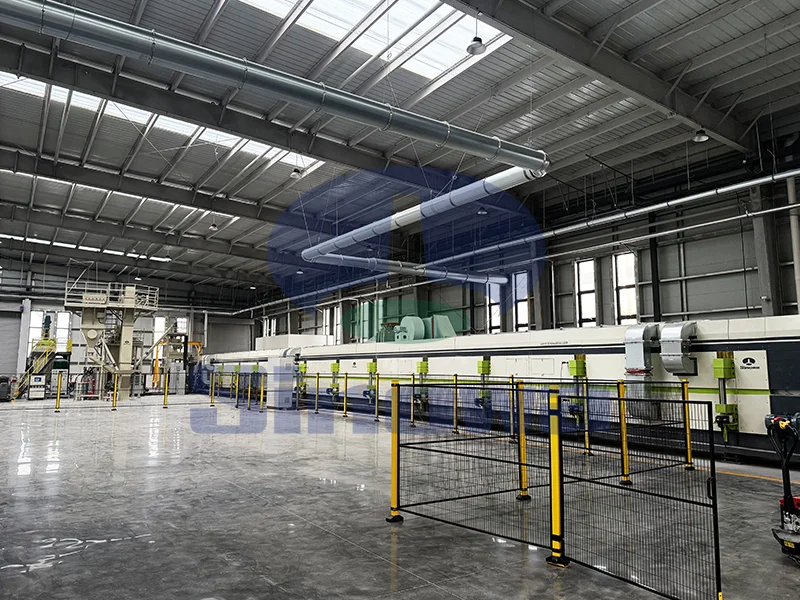
Panel profiles represent another key classification, with the production line adaptable to produce flat panels, corrugated panels, and profiled panels with interlocking edge designs, each suited for specific installation scenarios. Flat panels are widely used for interior and exterior wall cladding, partition walls, and ceiling systems, offering a smooth, uniform surface that supports versatile design layouts; corrugated panels are primarily used for roofing applications, providing superior water runoff and structural rigidity to withstand wind, snow, and other environmental loads; profiled panels with interlocking edges create a tight, seamless fit between adjacent panels, improving airtightness, waterproofing, and overall structural stability for wall and roof assemblies. Additionally, panels can be categorized by specialized functional modifications, such as fire-retardant panels formulated with enhanced core additives to slow flame spread and reduce smoke emission, and moisture-proof panels with enhanced surface sealing for use in high-humidity environments like cold storage facilities and food processing plants. This wide range of panel types ensures that the production line can cater to niche market demands, from standard industrial construction to highly specialized applications requiring strict performance compliance.
The applications of PU sandwich panels produced by these specialized production lines span across countless industries, driven by their unbeatable combination of insulation, strength, lightweight design, and ease of installation, making them a preferred choice for modern construction and industrial projects worldwide. In the construction sector, the panels are extensively used for the fabrication of exterior walls, roofing systems, partition walls, and facade cladding for commercial buildings, office complexes, residential properties, and prefabricated modular structures. Their fast installation speed significantly reduces construction timelines compared to traditional brick-and-mortar or multi-layer insulation systems, while their thermal efficiency lowers long-term operational energy costs, making them a cost-effective solution for both new construction and building renovation projects. Prefabricated modular buildings, including temporary site offices, portable shelters, and modular housing units, rely heavily on PU sandwich panels due to their lightweight nature, which simplifies transportation and on-site assembly, and their ability to create fully enclosed, insulated spaces in a fraction of the time required for conventional construction.
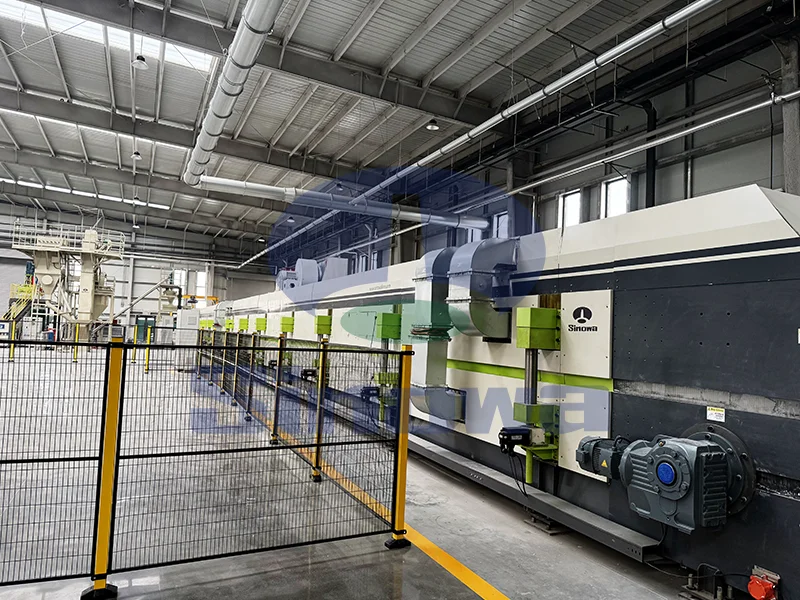
One of the most critical application areas is cold chain logistics and temperature-controlled storage, where PU sandwich panels are indispensable for constructing cold storage warehouses, refrigerated rooms, freezer facilities, and food processing plants. The exceptional thermal insulation properties of the panels maintain consistent low temperatures, minimizing temperature fluctuations that could compromise perishable goods, reducing energy consumption for refrigeration equipment, and ensuring compliance with strict food safety and storage standards. The airtight and moisture-resistant structure of the panels also prevents frost buildup and condensation inside cold storage spaces, preserving the integrity of the storage environment and extending the service life of refrigeration systems. Beyond cold storage, the panels are widely used in agricultural construction, including greenhouse structures, livestock barns, and agricultural storage sheds, where they help regulate internal temperatures, protect crops and livestock from extreme weather, and create a stable, controlled growing or breeding environment. The corrosion-resistant facings and moisture-proof core make the panels highly durable in agricultural settings, where exposure to moisture, fertilizers, and organic matter is common.
Industrial and manufacturing facilities also benefit extensively from PU sandwich panels, utilizing them for factory walls, roofing, cleanroom construction, and industrial partition systems. The panels’ smooth, non-porous surfaces are easy to clean and sanitize, making them ideal for cleanrooms in pharmaceutical, electronics, and food manufacturing industries, where strict hygiene and dust control are mandatory. Their sound insulation properties also help reduce noise pollution in heavy industrial settings, creating safer, more comfortable working environments for employees. In the transportation sector, modified PU sandwich panels are used for constructing refrigerated truck bodies, shipping containers, and insulated vehicle compartments, leveraging their lightweight and high-insulation properties to reduce vehicle weight, improve fuel efficiency, and maintain temperature stability for perishable cargo during transit. Additionally, the panels find use in public infrastructure projects, including stadiums, exhibition halls, and logistics centers, where their combination of structural strength, thermal efficiency, and quick installation supports the timely completion of large-scale projects with demanding performance requirements.
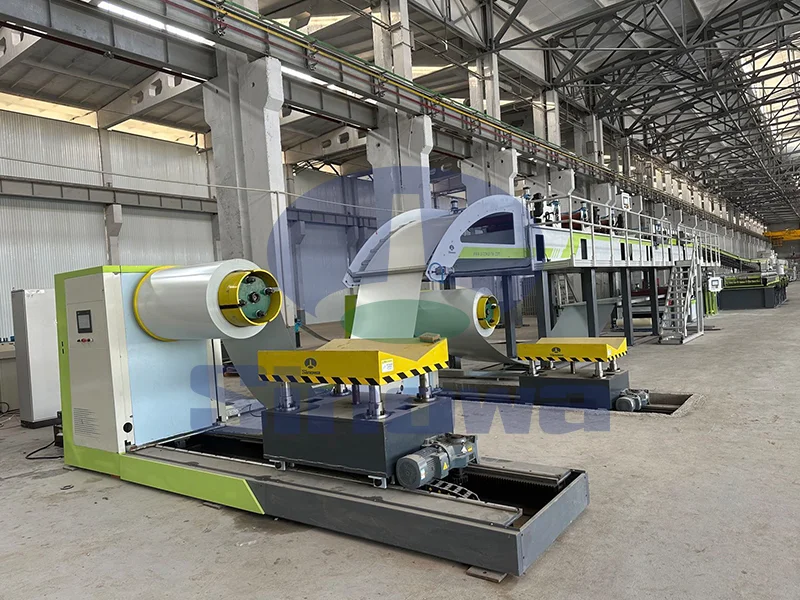
As sustainable building practices and energy-efficient design continue to gain global traction, the PU sandwich panel production line remains at the forefront of material manufacturing innovation, evolving to incorporate more eco-friendly raw materials, enhanced automation, and improved process efficiency. The ability to produce panels with tailored performance profiles, coupled with the line’s scalable production capacity, ensures that PU sandwich panels will continue to be a staple in diverse industries, addressing the growing demand for durable, energy-efficient, and cost-effective construction and industrial materials. Whether used in large-scale commercial developments, specialized cold chain facilities, agricultural structures, or modular housing, the panels deliver consistent performance and long-term value, solidifying the importance of the PU sandwich panel production line as a critical asset in modern industrial manufacturing. The integration of advanced control systems and adaptive manufacturing technologies further enhances the line’s capabilities, allowing for greater customization, higher production yields, and stricter quality control, ensuring that PU sandwich panels will remain a competitive and reliable solution for a wide array of structural and insulation needs for years to come.
« PU Sandwich Panel Production Line » Update Date: 2026/4/14
URL: https://m.sinowa.cn/blog/pu-sandwich-panel-production-line.html
Automatic PU Sandwich Panel Production Line Supplier
2026-08-06The automatic PU sandwich panel production line is an integrated and intelligent manufacturing system dedicated to the continuous production of high-performance polyurethane composite sandwich panels, serving as a core eq…Insulated PU Sandwich Panel Production Line
2026-07-10The insulated PU sandwich panel production line represents a sophisticated, fully integrated continuous manufacturing system designed to produce high-performance composite panels widely applied in modern construction, ind…PU Sandwich Panel Production Line Manufacturer
2026-05-25Polyurethane sandwich panels have emerged as one of the most versatile and high-performance composite building materials in modern construction and industrial manufacturing, widely applied in industrial workshops, cold st…Continuous PU Sandwich Panel Production Line
2026-04-14In the modern construction and industrial fields, the demand for efficient, high-performance and sustainable building materials has promoted the continuous innovation of production equipment and technologies. The continuo…Hard PU Sandwich Panel Production Line
2026-04-14A hard PU sandwich panel production line is a sophisticated and integrated set of equipment designed for the continuous manufacturing of composite panels that consist of a rigid polyurethane (PU) foam core sandwiched betw…Continuous PU Sandwich Panel Production Line Manufacturer
2026-04-14In the fast-evolving landscape of modern construction and industrial manufacturing, the demand for efficient, high-performance building materials has driven significant innovation in production equipment. Among these, con…Continuous PU Sandwich Panel Production Line Supplier
2026-04-09In the modern construction and industrial material manufacturing industry, the demand for efficient, high-quality, and versatile production equipment continues to grow, especially for equipment that can produce composite …PU Sandwich Panel Production Line Supplier
2026-04-09In the modern construction and industrial manufacturing fields, polyurethane (PU) sandwich panels have become an indispensable core material due to their excellent thermal insulation, lightweight, high strength, and sound…PU Sandwich Panel Production Line On Sales
2026-04-09Polyurethane (PU) sandwich panel production lines are advanced and intelligent equipment systems designed for the continuous and efficient manufacturing of PU sandwich panels, which are widely recognized as high-performan…Continuous PU Sandwich Panel Production Line Manufacturing
2024-06-06
A pu sandwich panel line stands as a highly efficient and automated production solution dedicated to manufacturing high-performance insulated panels, playing a vital role in modern construction and industrial engineering sectors. This integrated production system streamlines the entire manufacturing process, starting with the uncoiling and leveling of outer facing materials, which are carefully treated to ensure flat, smooth surfaces free of defects and suitable for subsequent bonding. Next comes the core production step: precise mixing and uniform distribution of polyurethane raw materials, where specialized equipment controls the ratio and flow rate strictly to guarantee consistent foam density and stable bonding performance between the core and facings. The pu sandwich panel machine features a controlled curing and forming system that maintains stable temperature and pressure conditions, allowing the polyurethane foam to fully expand, solidify and bond tightly with the upper and lower layers, forming a rigid, durable sandwich structure. Post-forming, the panels go through accurate cutting and finishing processes to meet diverse size specifications demanded by different projects. Designed for continuous operation, this pu sandwich panel production line boosts manufacturing efficiency remarkably while ensuring uniform product quality across batches, reducing manual errors and material waste effectively. The finished PU sandwich panels deliver outstanding thermal insulation, sound absorption and structural strength, making them widely applicable in building roofs, walls, cold storage facilities and industrial workshops, adapting to various environmental and functional needs with reliable performance and long service life.