- Home
- Sandwich Panel Line
- Roll Forming Machine
- CZ Purlin Roll Forming Machine
- Door Window Curtain Partition Roll Forming Machine
- Gutter Roll Forming Machine
- Clean Partition Panel Machine
- Corrugated Panel Roll Forming Machine
- Double Layer Roof Roll Forming Machine
- High Speed Keel Roll Forming Machine
- Light Steel-Frame Structure Production Line
- C Channel Roll Forming Machine
- Insulated Panels
- Steel Profiles
- About
- Contact
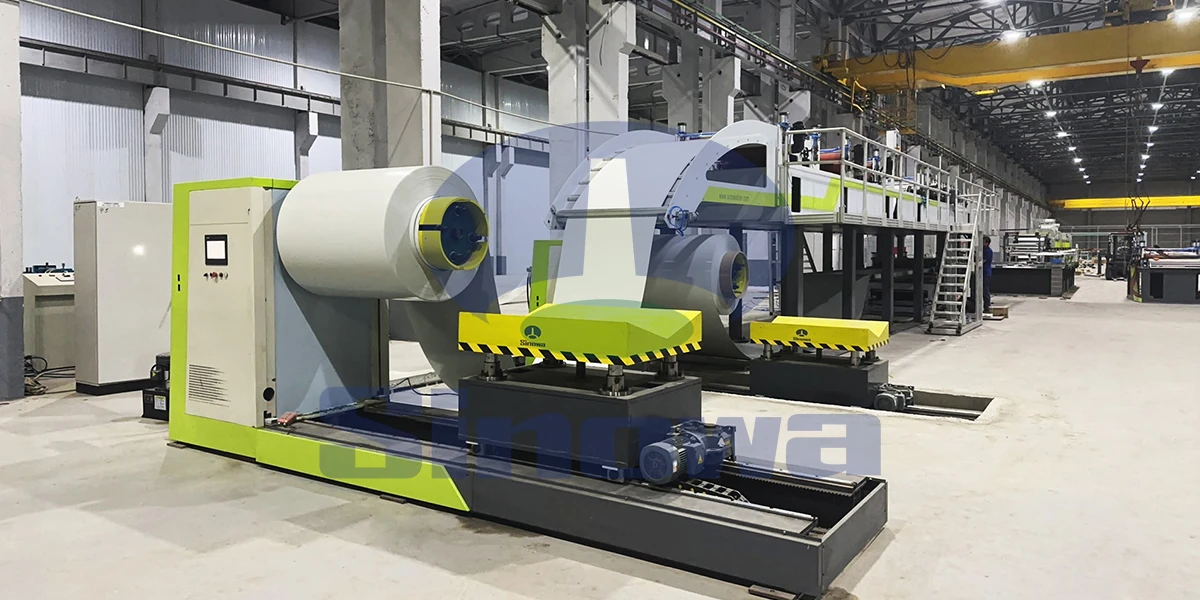
PIR Sandwich Panel Machine
Sinowa is a supplier and manufacturer of PIR Sandwich Panel Machine in china, customization on demand width a reasonable price.
Polyisocyanurate (PIR) sandwich panel machines stand as core industrial equipment dedicated to the mass manufacturing of high-performance insulated sandwich panels, integrating mechanical engineering, chemical foaming technology, and automated control systems into a single cohesive production unit. These machines are purpose-built to bond rigid PIR foam core materials with outer and inner facing layers, typically metal sheets such as steel or aluminum, creating composite panels that deliver exceptional thermal insulation, structural stability, and durability for a wide range of industrial and construction applications. Unlike general-purpose foam panel production equipment, PIR-specific machines are engineered to accommodate the unique chemical reaction and curing characteristics of PIR foam, which offers superior fire resistance and lower thermal conductivity compared to standard polyurethane (PU) foam, making the equipment design highly specialized and tailored to precise production parameters. The entire structure of a PIR sandwich panel machine is modular and interconnected, with each functional segment working in seamless synchronization to ensure consistent panel quality, dimensional accuracy, and production efficiency, regardless of the production scale or panel specifications required by end users.
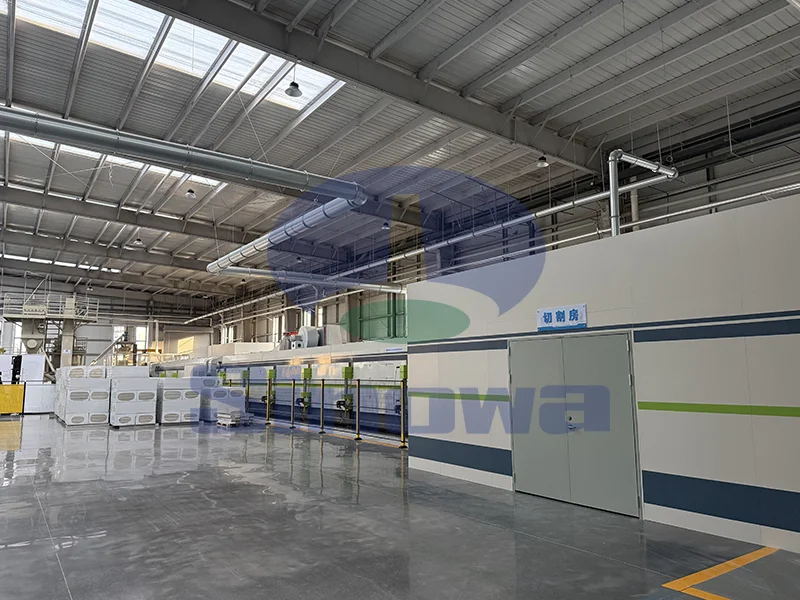
At the heart of the PIR sandwich panel machine lies its integrated structural framework, which is divided into several key interconnected modules that handle distinct stages of the production process, from raw material handling to finished panel cutting and output. The first critical module is the raw material feeding and pre-processing unit, which is responsible for unwinding and leveling the metal facing sheets that form the outer skins of the sandwich panel. This component features heavy-duty unwinding racks with tension control systems to prevent wrinkling or misalignment of the metal sheets, paired with precision leveling rollers that eliminate any curvature or deformation in the raw metal material, ensuring a perfectly flat surface for subsequent bonding with the PIR foam core. Adjacent to the feeding unit is the surface treatment section, which applies a thin, uniform adhesive layer to the inner side of the metal facings to enhance the bonding strength between the metal and foam; this section uses controlled coating mechanisms to avoid excess adhesive buildup or uneven application, which could compromise panel integrity. Following surface preparation, the material moves into the core foaming and laminating zone, the most complex and vital part of the machine structure. This zone houses the high-pressure PIR foam mixing and dispensing system, which accurately meters and mixes the two primary chemical components of PIR foam under precise pressure and temperature conditions, ensuring a homogeneous chemical reaction that forms a rigid, closed-cell foam structure. The laminating area is equipped with a continuous or batch-type pressing mechanism that maintains consistent pressure across the entire panel surface, pressing the two metal facings together with the freshly mixed PIR foam in between to form a tight, unified sandwich structure without gaps or delamination. The machine also includes a temperature-controlled curing tunnel, where the assembled panels pass through a series of heated zones to accelerate the PIR foam curing process, locking in the panel’s shape, density, and insulation properties. Finally, the machine features a precision cutting and trimming unit at the output end, which cuts the continuous panel strip (in continuous production models) or individual panels (in batch models) to exact specified lengths and trims any excess material, delivering finished panels with uniform dimensions and clean edges. The entire structural design prioritizes stability, with heavy-duty steel frames to withstand the pressure and vibration of continuous operation, and precision alignment components to maintain consistent panel thickness and flatness across long production runs.
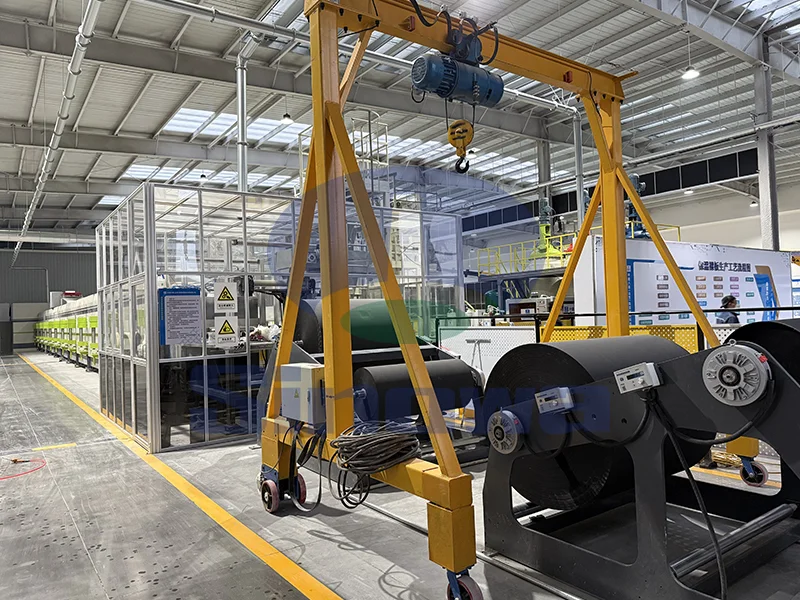
The performance attributes of PIR sandwich panel machines are defined by their precision, efficiency, reliability, and adaptability, all of which directly impact the quality of the finished PIR sandwich panels and the overall productivity of manufacturing operations. One of the most prominent performance features is the high precision in foam dispensing and panel thickness control; modern PIR machines utilize advanced digital control systems to regulate the flow rate and mixing ratio of PIR chemical components with extreme accuracy, ensuring uniform foam density throughout every panel, which is critical for consistent thermal insulation and structural strength. Thickness adjustment is highly flexible, allowing operators to set and modify panel thickness within a wide range to meet different application requirements, with the machine maintaining the set thickness tolerance to within tight margins across entire production batches. Thermal control performance is equally essential, as the PIR foaming and curing process is highly temperature-sensitive; the machine’s heating and cooling systems are designed to maintain stable temperatures in the foaming zone and curing tunnel, avoiding temperature fluctuations that could cause foam shrinkage, incomplete curing, or uneven cell structure. This precise thermal management also contributes to the machine’s energy efficiency, with insulated heating zones and optimized heat distribution systems minimizing energy consumption during continuous operation without compromising production speed. Operational reliability is another key performance metric, as these machines are often designed for long-hour, continuous industrial use; high-quality structural components, wear-resistant parts, and automated lubrication systems reduce the risk of mechanical failures and minimize downtime for routine maintenance. The machine’s automation level also defines its operational performance, with fully integrated control panels that allow operators to set production parameters, monitor real-time operation, and detect faults automatically; advanced models feature synchronized control of all modules, eliminating the need for manual adjustment at each production stage and reducing labor requirements while improving production consistency. Additionally, the machine offers strong adaptability to different raw material specifications, accommodating various types of metal facings with different thicknesses and widths, as well as minor adjustments to PIR foam formulations to meet specific performance needs such as enhanced fire resistance or higher structural rigidity. Production speed performance varies by machine type but is optimized to balance speed with quality; continuous production models deliver high output volumes suitable for large-scale manufacturing, while batch models offer slower but highly precise production for custom or small-batch orders, both maintaining consistent panel quality regardless of production pace.
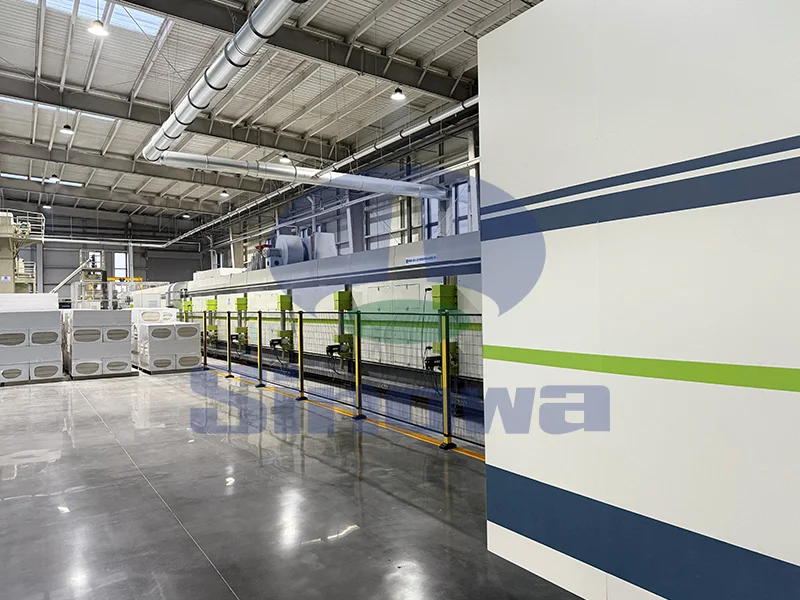
PIR sandwich panel machines are categorized into distinct types based on their production process, operational scale, and functional design, each tailored to different manufacturing needs, production volumes, and panel application scenarios, with the two primary classifications being continuous production machines and discontinuous (batch) production machines. Continuous PIR sandwich panel machines are designed for large-scale, high-volume manufacturing operations, operating on a seamless, uninterrupted production line where raw metal sheets are fed continuously, foam is dispensed in a steady stream, and panels are cured and cut on the fly without stopping the production flow. This type of machine is ideal for manufacturers producing standard-sized PIR panels for widespread construction and industrial use, offering extremely high output efficiency and consistent product quality across long production runs, with the ability to produce panels in long lengths that can be cut to custom sizes post-production. Continuous machines feature a fully automated, linked structure with synchronized speed control across all modules, ensuring that the feeding, foaming, laminating, curing, and cutting processes operate in perfect harmony to maintain a steady production rhythm; they are typically larger in size and require a more extensive factory footprint but deliver the lowest per-unit production cost for high-volume output. In contrast, discontinuous or batch-type PIR sandwich panel machines operate on a cycle-based production model, where individual panel blanks or small groups of panels are processed one batch at a time. This type of machine uses a hydraulic press system to clamp the metal facings and PIR foam mixture in a fixed mold for a set curing period, making it highly suitable for small to medium-scale production, custom panel orders, or specialty panels with non-standard sizes, thicknesses, or profiles. Batch machines are more compact and flexible than continuous models, requiring less factory space and offering easier adjustment for different panel specifications; they are also more accessible for manufacturers with lower production volumes or those focusing on custom and niche panel products, as they allow for quick changes to production parameters between batches. Beyond these two main types, PIR machines can also be classified by their foaming system design, including high-pressure foaming machines and low-pressure foaming machines, with high-pressure systems being the standard for modern PIR production due to their ability to create a more uniform, closed-cell foam structure with better insulation and structural properties. Additionally, some specialized PIR machines are designed for specific panel types, such as wall panels, roof panels, or cold storage panels, with minor structural modifications to optimize for the unique performance requirements of each panel variant, such as enhanced waterproofing for roof panels or extra thickness for cold storage insulation panels. Each machine type retains the core functional modules required for PIR panel production but differs in scale, automation, and production flow to match the diverse needs of manufacturers in the insulated panel industry.
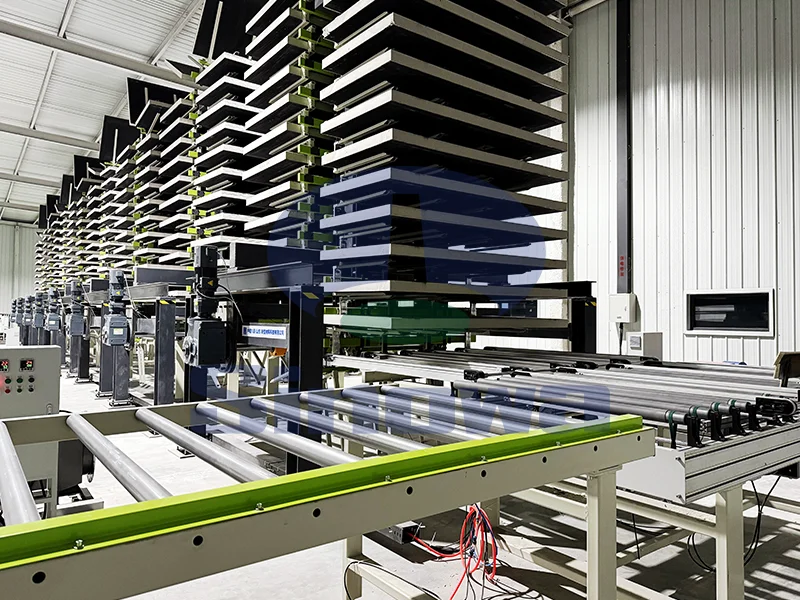
The versatility of PIR sandwich panel machines, combined with the superior performance of the panels they produce, makes them indispensable across a broad spectrum of industries and application scenarios, with demand driven by the unique combination of thermal insulation, fire resistance, structural strength, and lightweight properties of PIR sandwich panels. The most prominent application area is the construction industry, where PIR panels produced by these machines are widely used for both residential and commercial building projects, serving as exterior wall panels, roof insulation panels, and partition walls. In modern commercial construction, including office buildings, shopping centers, and industrial warehouses, PIR panels offer excellent thermal efficiency that reduces heating and cooling energy consumption, while their lightweight nature lowers the overall structural load of buildings, simplifying construction and reducing material costs for support structures. The panels’ smooth, durable metal facings also provide excellent weather resistance and low maintenance requirements, making them ideal for exterior building applications in various climatic conditions. Another major application sector is cold chain logistics and temperature-controlled storage, where PIR’s exceptional thermal insulation properties make it the material of choice for cold storage warehouses, refrigerated transport containers, and food processing facilities. PIR panels manufactured by these specialized machines have extremely low thermal conductivity, effectively preventing heat transfer and maintaining stable low temperatures inside cold storage spaces, reducing energy costs for refrigeration systems and ensuring the quality and safety of perishable goods such as food, pharmaceuticals, and agricultural products. The fire-resistant properties of PIR foam further enhance its suitability for cold storage facilities, where safety is a top priority alongside temperature control.
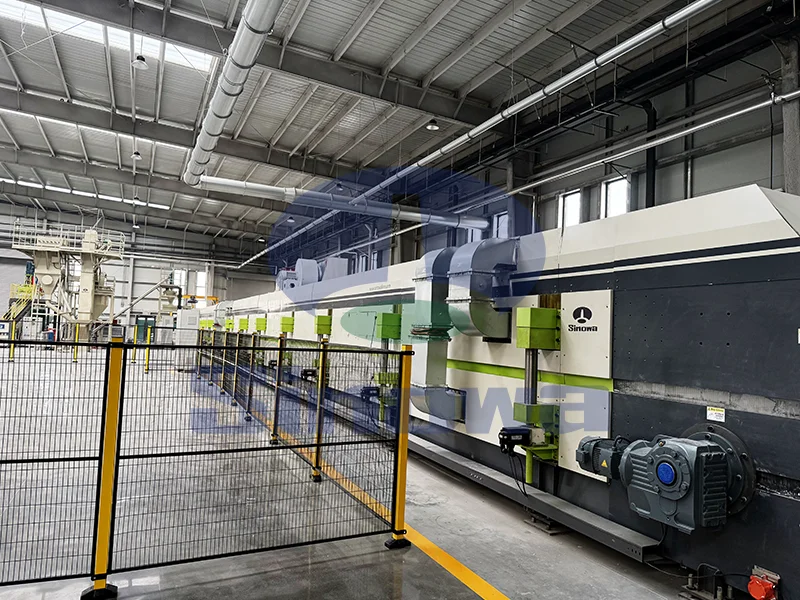
In industrial and manufacturing facilities, PIR sandwich panels produced by these machines are used for constructing factory workshops, clean rooms, and temperature-controlled production areas, where they provide both insulation and structural support while meeting strict hygiene and safety standards. Clean rooms in industries such as electronics manufacturing, pharmaceuticals, and food processing rely on PIR panels for their smooth, non-porous surfaces that are easy to clean and sanitize, as well as their excellent thermal and acoustic insulation properties that maintain stable environmental conditions for sensitive production processes. The structural rigidity of PIR panels also makes them suitable for industrial facility walls and roofs that require resistance to wind, impact, and heavy use, ensuring long-term durability in demanding industrial environments. Additionally, PIR panels are widely used in prefabricated and modular construction projects, where the fast installation and lightweight properties of the panels allow for rapid on-site assembly of modular buildings, temporary housing, portable offices, and construction site facilities. The panels produced by PIR sandwich panel machines are prefabricated to exact dimensions, eliminating the need for extensive on-site cutting and processing, which speeds up construction timelines and reduces on-site waste compared to traditional building materials.
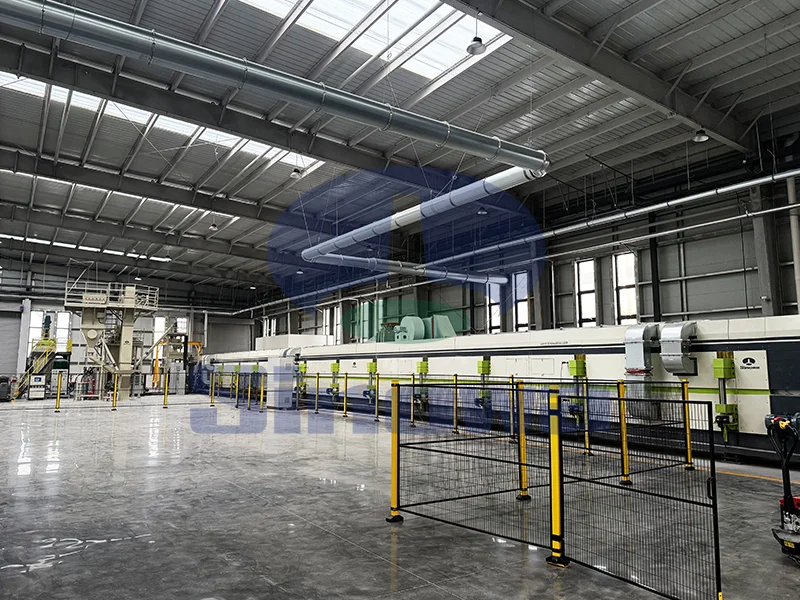
Beyond construction and cold chain applications, PIR sandwich panel machines support the production of panels for specialized sectors including agricultural facilities, transportation, and public infrastructure. In agriculture, PIR panels are used to build insulated greenhouses, livestock housing, and crop storage facilities, maintaining consistent temperatures to protect crops and livestock from extreme weather conditions and improve agricultural productivity. For transportation applications, the panels are used to construct insulated bodies for refrigerated trucks, vans, and shipping containers, where their lightweight and high insulation properties help reduce vehicle weight and fuel consumption while preserving the quality of temperature-sensitive cargo during transit. In public infrastructure projects, PIR panels are used for insulation in public buildings, hospitals, schools, and sports facilities, contributing to energy-efficient building design and compliance with modern sustainable construction standards. The wide-ranging applicability of PIR sandwich panels, enabled by the specialized design and performance of PIR sandwich panel machines, cements the equipment’s role as a critical asset in the global manufacturing of high-performance insulated building materials, supporting the growth of energy-efficient, sustainable, and durable construction and industrial solutions worldwide.
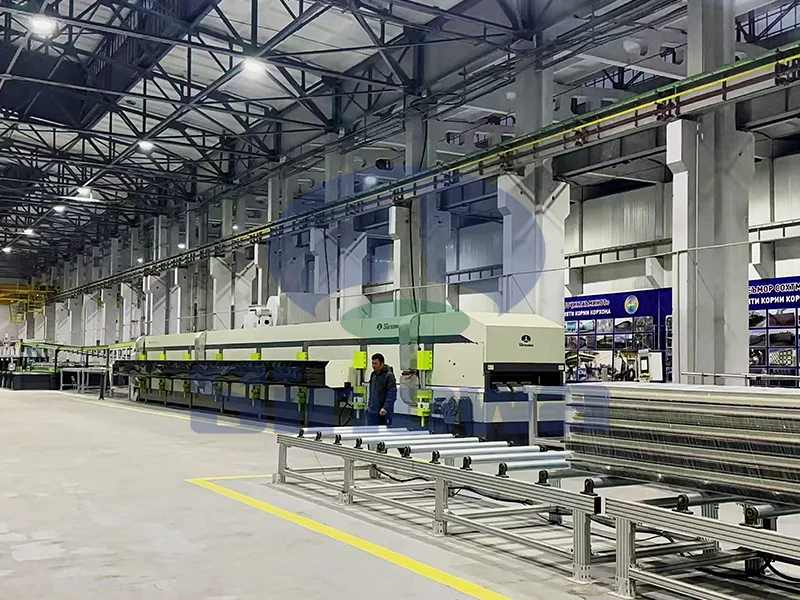
As industrial and construction standards continue to evolve toward higher energy efficiency and sustainability, PIR sandwich panel machines are continuously refined to enhance their performance, flexibility, and environmental compatibility, with ongoing improvements in automation technology, foam mixing precision, and energy conservation. Modern advancements focus on reducing material waste during production, optimizing chemical usage to minimize environmental impact, and integrating smarter control systems that allow for even greater customization and production efficiency. The core structural and performance attributes of these machines remain focused on delivering consistent, high-quality PIR sandwich panels that meet the diverse needs of global industries, balancing production efficiency with product performance to support the growing demand for sustainable insulation solutions. Whether in large-scale continuous production facilities or small-batch custom manufacturing setups, PIR sandwich panel machines play a vital role in bridging advanced material science with practical industrial production, enabling the widespread use of PIR sandwich panels across construction, cold chain, industrial, and infrastructure sectors. The adaptability of the equipment to different production scales and panel specifications, combined with its reliable performance and high-quality output, ensures that PIR sandwich panel machines will remain a cornerstone of insulated panel manufacturing for years to come, driving innovation in energy-efficient building and industrial design across the globe.
« PIR Sandwich Panel Machine » Update Date: 2026/4/15
URL: https://m.sinowa.cn/blog/pir-sandwich-panel-machine.html
A pu sandwich panel line stands as a highly efficient and automated production solution dedicated to manufacturing high-performance insulated panels, playing a vital role in modern construction and industrial engineering sectors. This integrated production system streamlines the entire manufacturing process, starting with the uncoiling and leveling of outer facing materials, which are carefully treated to ensure flat, smooth surfaces free of defects and suitable for subsequent bonding. Next comes the core production step: precise mixing and uniform distribution of polyurethane raw materials, where specialized equipment controls the ratio and flow rate strictly to guarantee consistent foam density and stable bonding performance between the core and facings. The pu sandwich panel machine features a controlled curing and forming system that maintains stable temperature and pressure conditions, allowing the polyurethane foam to fully expand, solidify and bond tightly with the upper and lower layers, forming a rigid, durable sandwich structure. Post-forming, the panels go through accurate cutting and finishing processes to meet diverse size specifications demanded by different projects. Designed for continuous operation, this pu sandwich panel production line boosts manufacturing efficiency remarkably while ensuring uniform product quality across batches, reducing manual errors and material waste effectively. The finished PU sandwich panels deliver outstanding thermal insulation, sound absorption and structural strength, making them widely applicable in building roofs, walls, cold storage facilities and industrial workshops, adapting to various environmental and functional needs with reliable performance and long service life.