- Home
- Sandwich Panel Line
- Roll Forming Machine
- CZ Purlin Roll Forming Machine
- Door Window Curtain Partition Roll Forming Machine
- Gutter Roll Forming Machine
- Clean Partition Panel Machine
- Corrugated Panel Roll Forming Machine
- Double Layer Roof Roll Forming Machine
- High Speed Keel Roll Forming Machine
- Light Steel-Frame Structure Production Line
- C Channel Roll Forming Machine
- Insulated Panels
- Steel Profiles
- About
- Contact
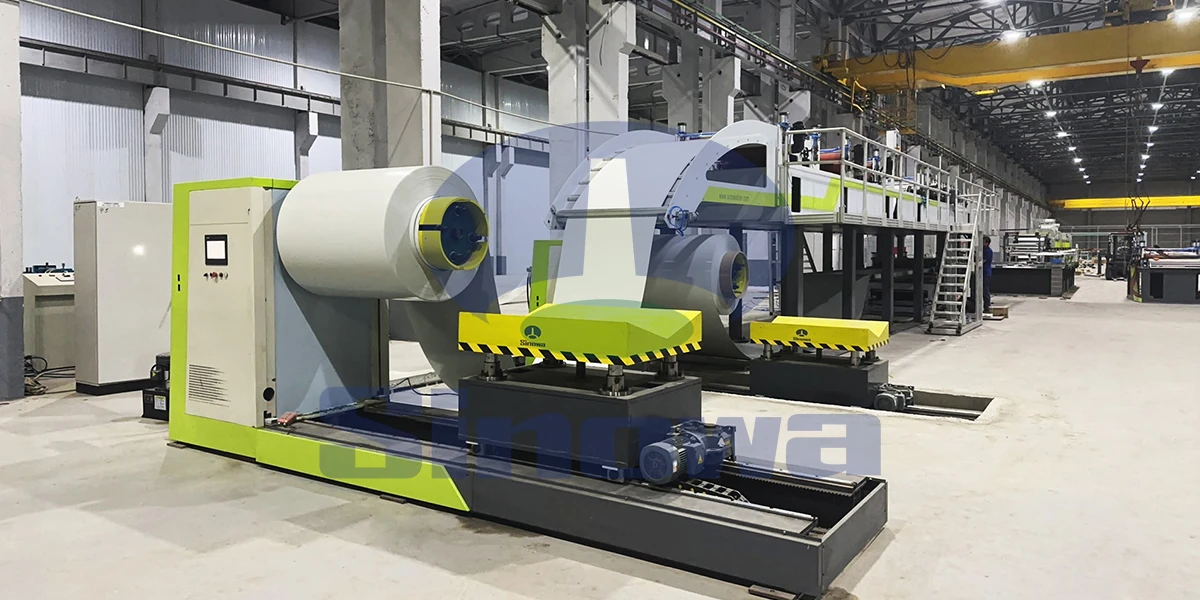
Continuous Sandwich Panel Production Line
Sinowa is a supplier and manufacturer of Continuous Sandwich Panel Production Line in china, customization on demand width a reasonable price.
A continuous sandwich panel production line is a highly integrated and automated equipment system designed for the mass manufacturing of sandwich panels, which are composite materials consisting of a lightweight core material sandwiched between two rigid facing layers. This type of production line operates in an uninterrupted workflow, from raw material feeding to finished product stacking, ensuring high efficiency, consistent quality, and adaptability to diverse production needs. Unlike batch production systems, continuous production lines eliminate the need for frequent start-stop operations, thereby reducing material waste, improving production efficiency, and ensuring uniform product performance. The structure, performance, types, and applications of these production lines are closely intertwined, each aspect complementing the others to meet the evolving demands of various industries, particularly the construction, industrial, and cold chain sectors. Understanding the intricate details of these elements is essential for recognizing the value and versatility of continuous sandwich panel production lines in modern manufacturing.
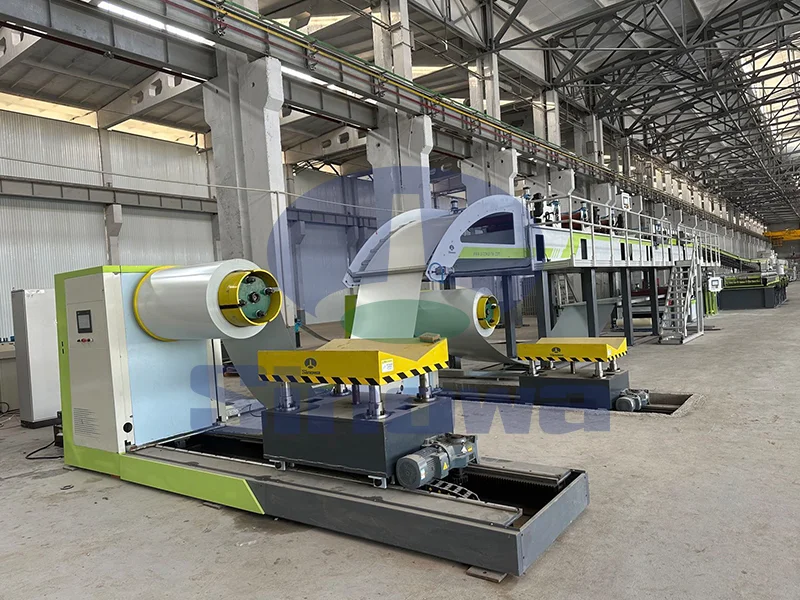
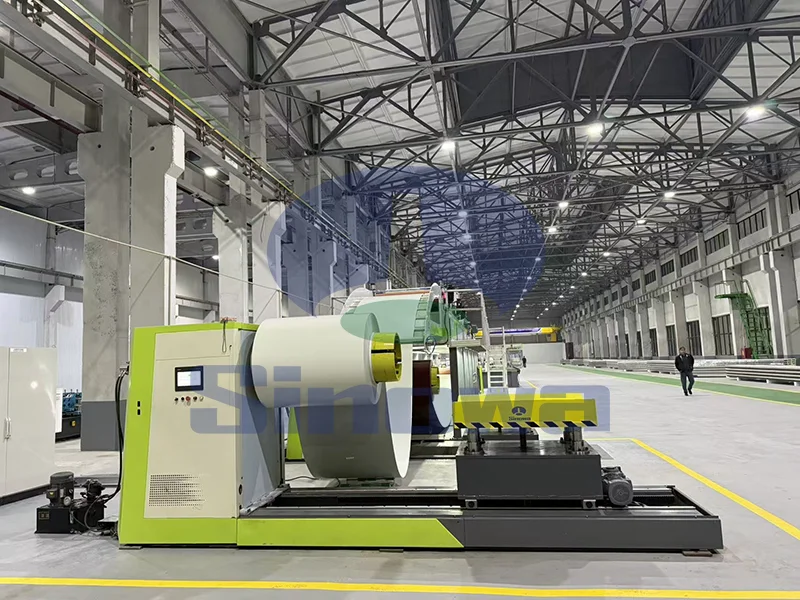
The structure of a continuous sandwich panel production line is composed of several interconnected functional modules, each responsible for a specific stage of the production process. These modules work in harmony to ensure a seamless and efficient workflow, with each component designed to maintain precision and reliability. The core structural components typically include a feeding system, forming unit, core material processing system, composite bonding system, curing section, cutting system, and stacking and packaging system. The feeding system serves as the starting point of the production line, responsible for unwinding and preparing the facing materials, which are usually metal coils such as color steel, stainless steel, or aluminum sheets. This system includes an automatic uncoiler that unfolds the metal coils smoothly, a leveling machine that eliminates internal stress and ensures the flatness of the facing sheets, and a cleaning device that removes dust, oil, or other contaminants from the surface of the metal to enhance the bonding strength with the core material. Some advanced feeding systems also incorporate a corona treatment unit, which uses high-voltage discharge to increase the surface energy of the metal sheets, further improving adhesion with the adhesive and core material.
The forming unit is a critical component that shapes the facing materials into the desired profile. This unit consists of a series of precision rolling rolls arranged in a sequential manner, which gradually bend the flat metal sheets into specific waveforms or profiles. The number of rolling passes varies depending on the complexity of the profile, with typical configurations ranging from 12 to 16 passes to ensure the accuracy and consistency of the formed facing. The forming process is controlled by an intelligent system that adjusts the pressure and speed of the rolls to accommodate different thicknesses of metal sheets and various profile designs, ensuring that the facing materials meet the required dimensional specifications. For applications requiring specific surface textures, such as embossed or patterned panels, the forming unit may also include stamping or embossing rollers that create the desired surface finish during the forming process.
The core material processing system is tailored to the type of core material being used, as different core materials require distinct processing methods. Common core materials include polyurethane (PU), polyisocyanurate (PIR), rock wool, glass wool, expanded polystyrene (EPS), and phenolic foam, each with unique properties that make them suitable for specific applications. For foam-based core materials such as PU and PIR, the processing system includes a high-pressure foaming machine, a mixing head, and a temperature control unit. The foaming machine precisely mixes the two-component foam materials in the correct ratio, typically maintaining a mixing accuracy of ±0.3%, and the mixing head injects the foam mixture between the two facing sheets. The temperature control unit ensures that the foam cures at the optimal temperature, which is crucial for achieving the desired density and thermal insulation performance. For mineral fiber core materials such as rock wool and glass wool, the processing system includes an automatic feeding device, a slitting machine, and a positioning system. The slitting machine cuts the mineral fiber into the required width and thickness, while the positioning system ensures that the core material is evenly distributed between the facing sheets, eliminating gaps or unevenness that could compromise the panel’s performance.
The composite bonding system is the heart of the continuous sandwich panel production line, responsible for firmly adhering the facing layers to the core material. This system typically includes a double-sided adhesive coating device, a pre-press machine, and a hot press machine. The adhesive coating device applies a uniform layer of adhesive to both facing sheets, with the amount of adhesive precisely controlled to ensure strong bonding without excess waste. The pre-press machine gently presses the facing sheets and core material together to fix their relative positions, preventing shifting during the subsequent hot pressing process. The hot press machine uses zone temperature control technology, with a temperature accuracy of ±1℃, and applies uniform pressure to the composite structure. The pressure uniformity error is usually no more than 2%, ensuring that the adhesive cures evenly and the bond between the facing and core material is strong and consistent. The hot press section is often designed with a long conveying path, providing sufficient time for the adhesive to cure and the foam core to expand and set, resulting in a stable and durable sandwich panel.
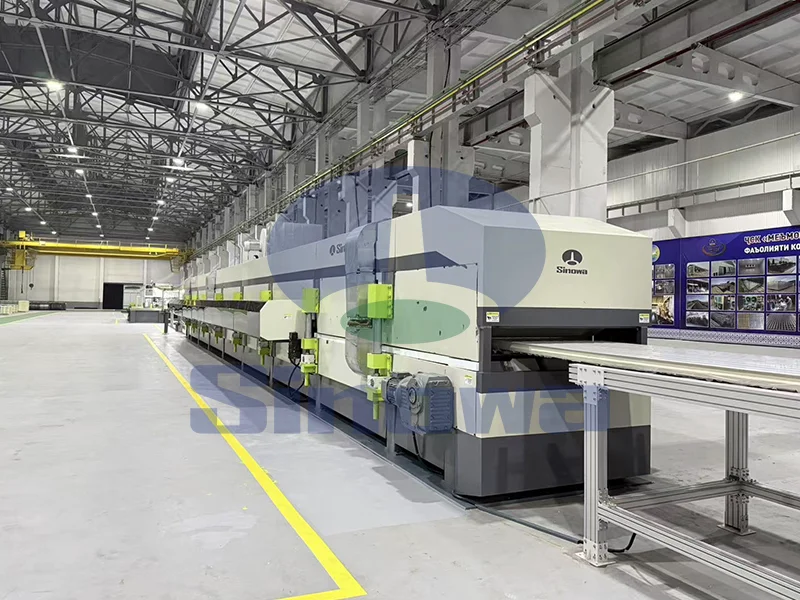
The curing section is particularly important for foam-based core materials, as it provides the necessary time and environmental conditions for the foam to fully cure and achieve its optimal properties. This section is equipped with temperature and humidity control systems that maintain a stable environment, ensuring consistent curing across all panels. The length of the curing section varies depending on the production speed and the type of core material, with some systems designed to accommodate production speeds of up to 15-20 meters per minute while still providing sufficient curing time. After curing, the continuous composite panel moves to the cutting system, which is equipped with high-precision cutting devices such as servo-controlled flying saws or laser cutters. These cutting devices can accurately cut the continuous panel into fixed lengths with an error of ±0.5mm, ensuring that each finished panel meets the required dimensional specifications. The cutting system is synchronized with the production line speed, allowing for continuous cutting without interrupting the workflow.
The final component of the production line is the stacking and packaging system, which automates the process of collecting, stacking, and packaging the finished sandwich panels. This system includes a conveyor belt that transports the cut panels to a stacking device, which arranges the panels in neat piles according to the desired height and quantity. Some advanced systems also include automatic packaging equipment that wraps the stacked panels in protective film to prevent damage during storage and transportation. The stacking and packaging system not only improves efficiency but also reduces the risk of human error and damage to the finished products, ensuring that the panels reach the end user in perfect condition.
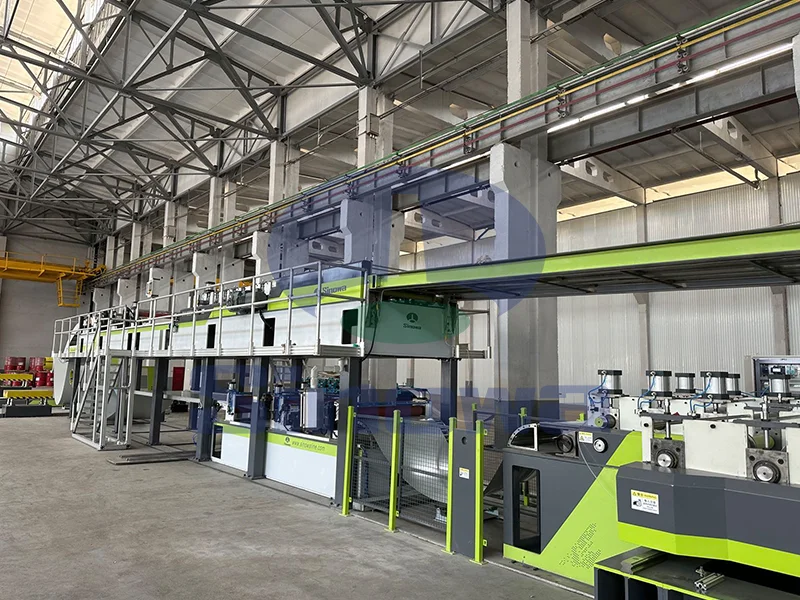
The performance of a continuous sandwich panel production line is determined by several key factors, including production efficiency, product quality stability, flexibility, energy efficiency, and reliability. Production efficiency is one of the most significant performance indicators, with modern continuous lines capable of achieving production speeds ranging from 6 to 20 meters per minute, depending on the type of core material and the panel thickness. This high efficiency allows for large-scale production, meeting the high-volume demands of industrial and construction projects. The daily production capacity of these lines can reach 5000 to 10000 square meters, making them ideal for mass production applications.
Product quality stability is another critical performance characteristic, as consistent quality is essential for ensuring the reliability and durability of the sandwich panels. Continuous production lines achieve this stability through the use of high-precision equipment, rigorous quality control procedures, and intelligent monitoring systems. Many lines are equipped with online testing devices, such as thickness detectors, density monitoring systems, and surface quality inspection cameras, which continuously monitor the production process and detect any deviations from the required specifications. These systems can automatically adjust production parameters to correct errors, ensuring that each panel meets the same high standards. For example, density monitoring systems can adjust the foam injection rate in real time to maintain a consistent core density, while surface quality inspection cameras can detect scratches, dents, or other defects on the facing sheets, allowing for immediate correction.
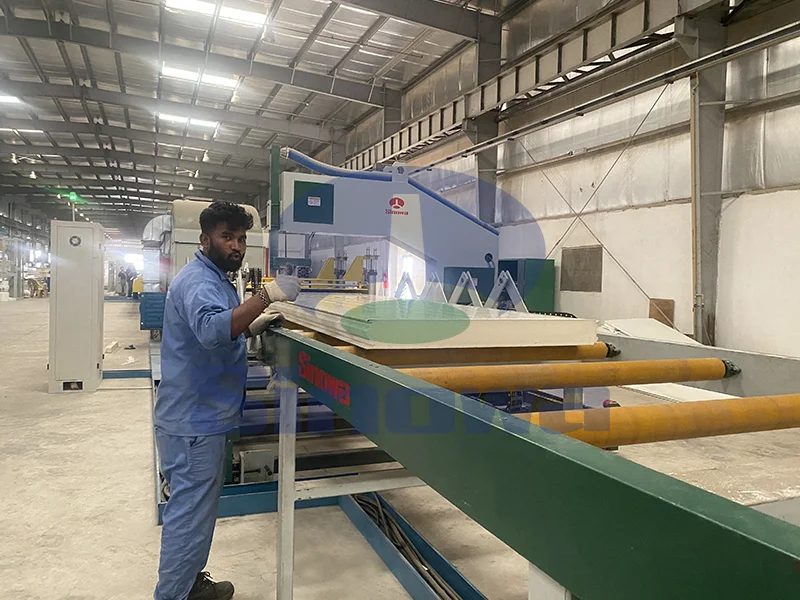
Flexibility is another important performance feature of continuous sandwich panel production lines, allowing them to adapt to different production requirements and product specifications. Modular design is a key factor in achieving this flexibility, as the production line can be configured with different modules to produce various types of sandwich panels. For example, by changing the forming rolls and adjusting the core material processing system, the same line can produce panels with different facing profiles, core materials, and thicknesses. Panel thickness can typically be adjusted between 20 and 200 mm without downtime, while core material switching between PU, PIR, rock wool, and glass wool can be completed in as little as 8 minutes. This flexibility makes continuous production lines suitable for both large-scale standardized production and small-scale customized orders, meeting the diverse needs of different industries.
Energy efficiency and environmental friendliness are increasingly important performance considerations in modern manufacturing, and continuous sandwich panel production lines are designed with these factors in mind. Many lines incorporate energy-saving technologies such as heat recovery systems, which capture and reuse the heat generated during the curing process, reducing energy consumption by up to 30%. Closed-loop chemical systems are used in foam processing to minimize material waste, achieving material utilization rates of up to 97%. Additionally, modern lines use eco-friendly adhesives and core materials that reduce volatile organic compound (VOC) emissions by up to 62% compared to older systems. These energy-saving and environmental features not only reduce operational costs but also help manufacturers meet global environmental standards and sustainability goals.
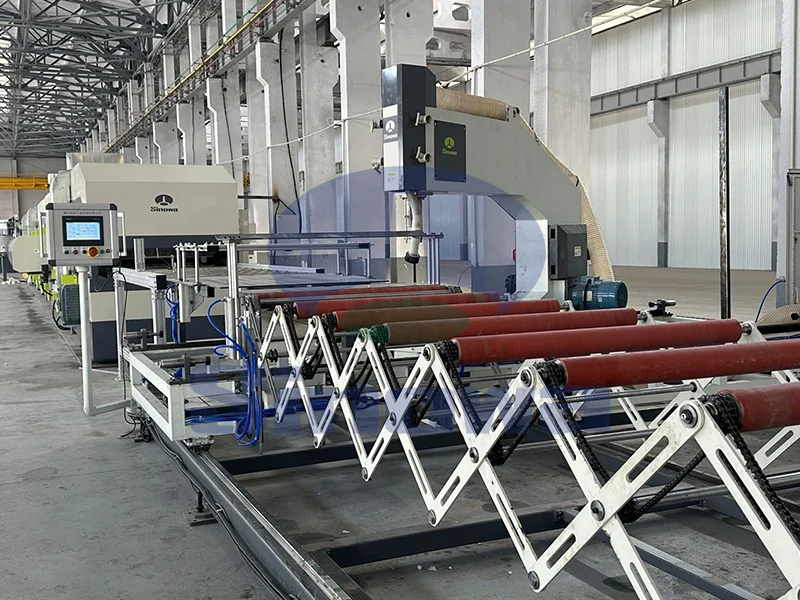
Reliability is another key performance indicator, as downtime can significantly impact production efficiency and costs. Continuous sandwich panel production lines are designed with high-quality components and robust structures to ensure long-term stable operation. The mean time between failures (MTBF) of modern lines is typically over 1200 hours, with some high-end models reaching 2000 hours or more. This reliability is achieved through the use of durable materials, precise engineering, and advanced maintenance systems, including remote monitoring and predictive maintenance capabilities. Remote monitoring allows operators to monitor the production line in real time from anywhere, while predictive maintenance systems use data analysis to identify potential issues before they cause downtime, ensuring continuous operation.
Continuous sandwich panel production lines can be classified into several types based on various criteria, including the type of core material processed, the degree of automation, and the application-specific design. The most common classification is based on the core material, as different core materials require distinct processing systems and produce panels with different properties. One of the most widely used types is the polyurethane (PU) sandwich panel production line, which is specialized in producing panels with PU foam cores. PU core panels are known for their excellent thermal insulation performance, lightweight, and high strength, making them suitable for cold storage, insulation rooms, and other applications requiring superior thermal efficiency. These production lines are equipped with high-pressure foaming systems that ensure uniform foam density and consistent curing, resulting in panels with excellent thermal conductivity as low as 0.019 W/mK.
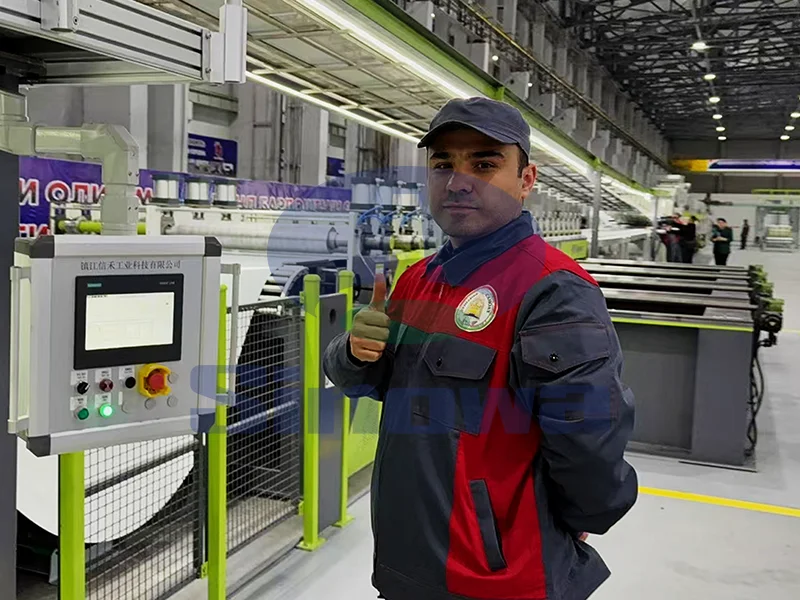
Another common type is the rock wool sandwich panel production line, which processes rock wool as the core material. Rock wool core panels are valued for their excellent fire resistance, reaching Class A fire rating, as well as good sound insulation and thermal insulation properties. These production lines include specialized equipment for handling rock wool, such as automatic feeding and slitting machines, and often incorporate edge sealing technology using PU foam to enhance the panel’s water resistance and structural integrity. Rock wool sandwich panel production lines are widely used in the manufacturing of panels for industrial plants, warehouses, and public buildings where fire safety is a critical requirement.
Glass wool sandwich panel production lines are similar to rock wool lines but process glass wool as the core material. Glass wool is lighter than rock wool and has excellent sound absorption properties, making it suitable for applications such as acoustic insulation in commercial buildings, theaters, and data centers. These production lines are designed to handle the delicate glass wool fibers, ensuring that the core material is evenly distributed and not damaged during processing. Expanded polystyrene (EPS) sandwich panel production lines process EPS foam cores, which are lightweight, cost-effective, and have good thermal insulation properties. EPS panels are commonly used in residential buildings, warehouses, and mobile board rooms, and the production lines are designed to handle the pre-formed EPS blocks, ensuring precise cutting and bonding with the facing sheets.
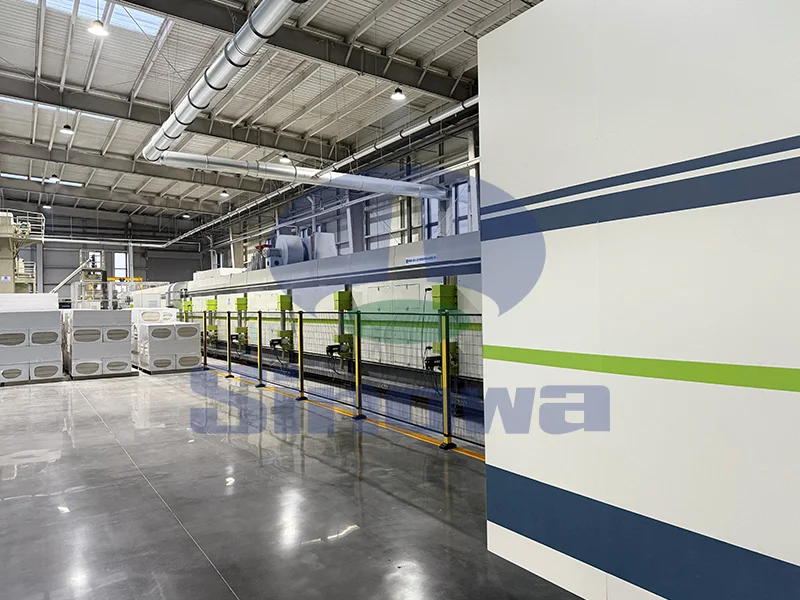
Phenolic foam sandwich panel production lines are specialized for producing panels with phenolic foam cores, which offer excellent fire resistance, low smoke emission, and good thermal insulation. These panels are widely used in high-rise buildings, tunnels, and other applications where fire safety and low smoke generation are critical. In addition to core material-based classification, continuous sandwich panel production lines can also be divided into fully automatic and semi-automatic types based on the degree of automation. Fully automatic lines integrate all production processes, from feeding to stacking, with minimal human intervention, offering high production efficiency and consistent quality. These lines are ideal for large-scale mass production. Semi-automatic lines, on the other hand, require some manual operation, such as loading raw materials or adjusting parameters, and are more suitable for small-scale production or customized orders where flexibility is more important than high volume.
Application-specific production lines are another type of continuous sandwich panel production line, designed to meet the unique requirements of specific industries or applications. For example, refrigerated carriage board production lines are specialized in producing panels for refrigerated truck compartments, requiring panels with excellent thermal insulation and moisture resistance. These lines are equipped with specialized curing systems and edge sealing technologies to ensure that the panels can withstand low temperatures and prevent moisture penetration. Purification color steel sandwich panel production lines are designed to produce panels for clean rooms, such as those used in hospitals, pharmaceutical factories, and electronic manufacturing facilities. These lines produce panels with excellent cleaning and antibacterial properties, with smooth surfaces that are easy to sanitize. Roof sandwich panel production lines are specialized in producing panels for roof applications, with profiles designed to enhance drainage and structural strength, ensuring that the panels can withstand wind, rain, and other environmental factors.
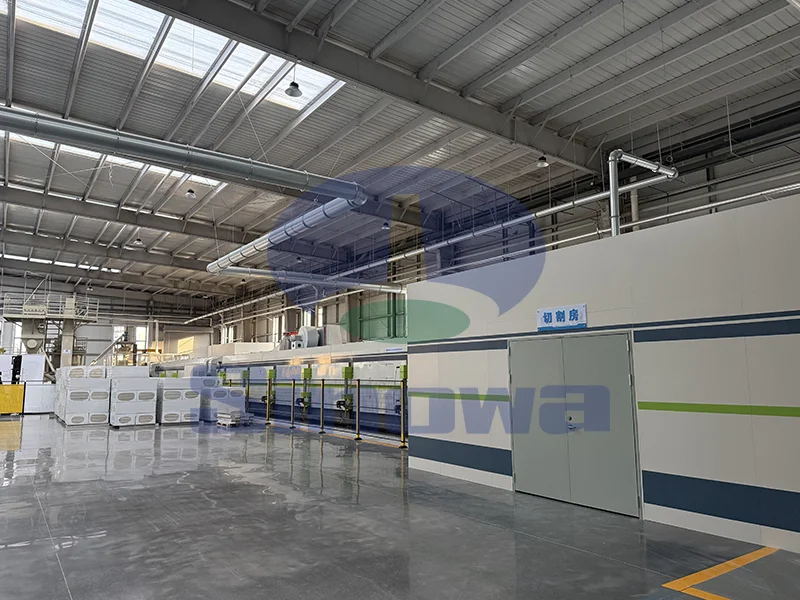
The applications of continuous sandwich panel production lines are diverse, covering a wide range of industries and applications, driven by the versatility and performance of the sandwich panels they produce. The construction industry is the largest user of continuous sandwich panel production lines, with sandwich panels widely used in the construction of industrial plants, warehouses, commercial buildings, residential buildings, and public facilities. In industrial plants and warehouses, sandwich panels are used for walls and roofs due to their lightweight, high strength, and thermal insulation properties, which help reduce energy consumption for heating and cooling. Rock wool sandwich panels are particularly popular in these applications due to their fire resistance, ensuring the safety of the building and its contents. In commercial buildings, such as shopping malls and office buildings, sandwich panels are used for exterior walls and curtain walls, offering a combination of aesthetic appeal, thermal insulation, and sound insulation. PU and phenolic foam panels are often used in these applications due to their excellent thermal efficiency and design flexibility.
The cold chain industry is another major application area for continuous sandwich panel production lines. Sandwich panels produced by these lines are used in the construction of cold storage facilities, refrigerated warehouses, refrigerated trucks, and refrigerated containers. These panels require excellent thermal insulation properties to maintain low temperatures, ensuring the quality and freshness of perishable goods such as food, pharmaceuticals, and chemicals. PU and PIR sandwich panels are the most commonly used in cold chain applications, as they have low thermal conductivity and good moisture resistance, preventing condensation and ensuring the stability of the internal temperature. Continuous production lines for cold chain panels are designed to produce panels with precise thickness and density, ensuring consistent thermal insulation performance across all panels.
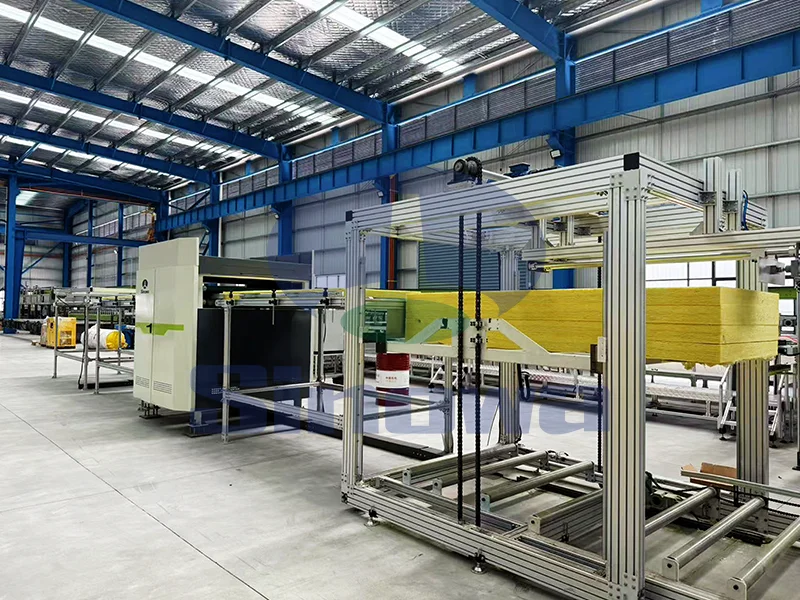
The industrial sector also uses continuous sandwich panel production lines for various applications, including the manufacturing of equipment enclosures, sound insulation barriers, and thermal insulation for industrial pipes and vessels. Sandwich panels are used to create enclosures for industrial equipment, providing protection from dust, moisture, and noise, while also offering thermal insulation to maintain optimal operating temperatures. Sound insulation barriers made from sandwich panels are used in factories, power plants, and transportation infrastructure to reduce noise pollution, with rock wool and glass wool core panels offering excellent sound absorption properties. In addition, sandwich panels are used for thermal insulation in industrial pipes and vessels, helping to reduce energy loss and improve operational efficiency.
The modular building industry is a growing application area for continuous sandwich panel production lines. Modular buildings are prefabricated in factories and then transported to the construction site for assembly, offering faster construction times, lower costs, and better quality control compared to traditional construction methods. Sandwich panels produced by continuous lines are ideal for modular buildings due to their lightweight, high strength, and easy installation. These panels are used for walls, floors, and roofs of modular buildings, including residential modules, office modules, and temporary buildings such as construction site offices and disaster relief shelters. The flexibility of continuous production lines allows manufacturers to produce panels of various sizes and specifications, adapting to the diverse design requirements of modular buildings.
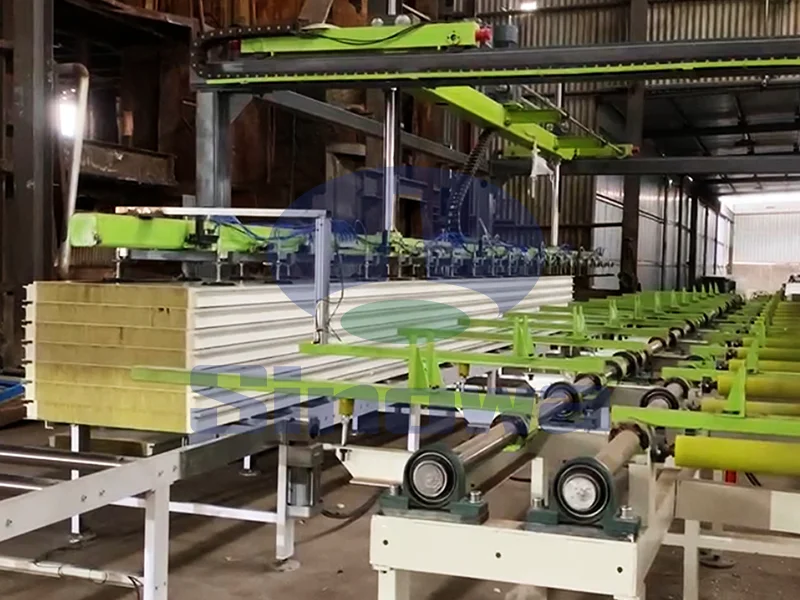
Other applications of continuous sandwich panel production lines include the automotive industry, where sandwich panels are used in the manufacturing of vehicle bodies and interior components, offering lightweight and high strength to improve fuel efficiency and safety. The aerospace industry uses sandwich panels for aircraft interiors and structures, requiring panels with high strength-to-weight ratios and excellent thermal insulation. The renewable energy industry also uses sandwich panels for the construction of solar panel supports and wind turbine nacelles, with panels designed to withstand harsh outdoor environments, including high winds, extreme temperatures, and corrosion.
In conclusion, continuous sandwich panel production lines are essential equipment in modern manufacturing, offering high efficiency, consistent quality, and flexibility to meet the diverse needs of various industries. Their structured design, composed of interconnected functional modules, ensures a seamless production workflow from raw material feeding to finished product stacking. The performance of these lines, including production efficiency, quality stability, flexibility, energy efficiency, and reliability, makes them ideal for mass production of sandwich panels with different core materials and specifications. The various types of production lines, classified by core material, automation level, and application, allow manufacturers to produce panels tailored to specific industry requirements. The wide range of applications, from construction and cold chain to industrial and modular buildings, highlights the versatility and importance of continuous sandwich panel production lines in driving the development of modern industries. As technology advances, these production lines will continue to be upgraded and improved, incorporating new technologies such as artificial intelligence and the Internet of Things to further enhance efficiency, quality, and sustainability, meeting the evolving demands of the global market.
« Continuous Sandwich Panel Production Line » Update Date: 2026/4/15
URL: https://m.sinowa.cn/blog/continuous-sandwich-panel-production-line.html
A pu sandwich panel line stands as a highly efficient and automated production solution dedicated to manufacturing high-performance insulated panels, playing a vital role in modern construction and industrial engineering sectors. This integrated production system streamlines the entire manufacturing process, starting with the uncoiling and leveling of outer facing materials, which are carefully treated to ensure flat, smooth surfaces free of defects and suitable for subsequent bonding. Next comes the core production step: precise mixing and uniform distribution of polyurethane raw materials, where specialized equipment controls the ratio and flow rate strictly to guarantee consistent foam density and stable bonding performance between the core and facings. The pu sandwich panel machine features a controlled curing and forming system that maintains stable temperature and pressure conditions, allowing the polyurethane foam to fully expand, solidify and bond tightly with the upper and lower layers, forming a rigid, durable sandwich structure. Post-forming, the panels go through accurate cutting and finishing processes to meet diverse size specifications demanded by different projects. Designed for continuous operation, this pu sandwich panel production line boosts manufacturing efficiency remarkably while ensuring uniform product quality across batches, reducing manual errors and material waste effectively. The finished PU sandwich panels deliver outstanding thermal insulation, sound absorption and structural strength, making them widely applicable in building roofs, walls, cold storage facilities and industrial workshops, adapting to various environmental and functional needs with reliable performance and long service life.