- Home
- Sandwich Panel Line
- Roll Forming Machine
- CZ Purlin Roll Forming Machine
- Door Window Curtain Partition Roll Forming Machine
- Gutter Roll Forming Machine
- Clean Partition Panel Machine
- Corrugated Panel Roll Forming Machine
- Double Layer Roof Roll Forming Machine
- High Speed Keel Roll Forming Machine
- Light Steel-Frame Structure Production Line
- C Channel Roll Forming Machine
- Insulated Panels
- Steel Profiles
- About
- Contact
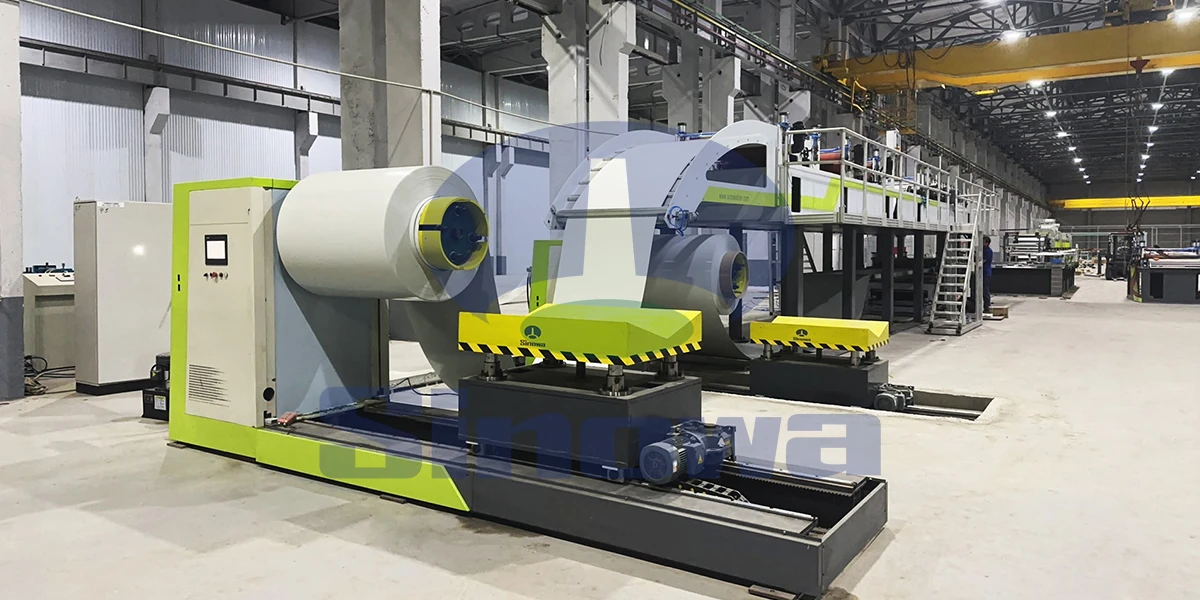
Polyurethane Sandwich Panel Line
Sinowa is a supplier and manufacturer of Polyurethane Sandwich Panel Line in china, customization on demand width a reasonable price.
A polyurethane sandwich panel line is a specialized and integrated manufacturing system designed to produce high-quality composite panels with a polyurethane foam core sandwiched between two structural facing materials. This advanced production line combines mechanical precision, material science, and intelligent control technology to achieve continuous, automated, and efficient production, making it an indispensable equipment system in the modern building materials processing industry. The panels produced by this line are widely used in various fields due to their excellent comprehensive performance, and the rational structure, stable performance, and diverse types of the production line itself directly determine the quality, efficiency, and applicability of the final products.
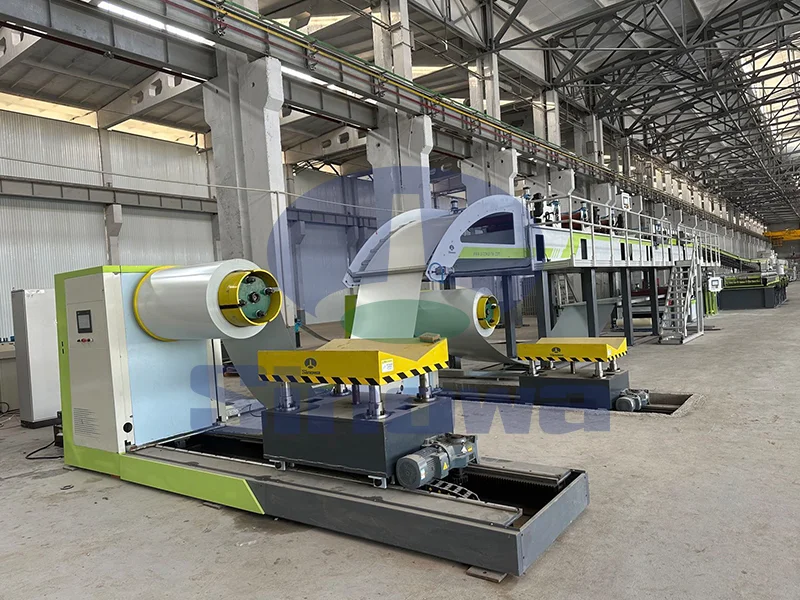
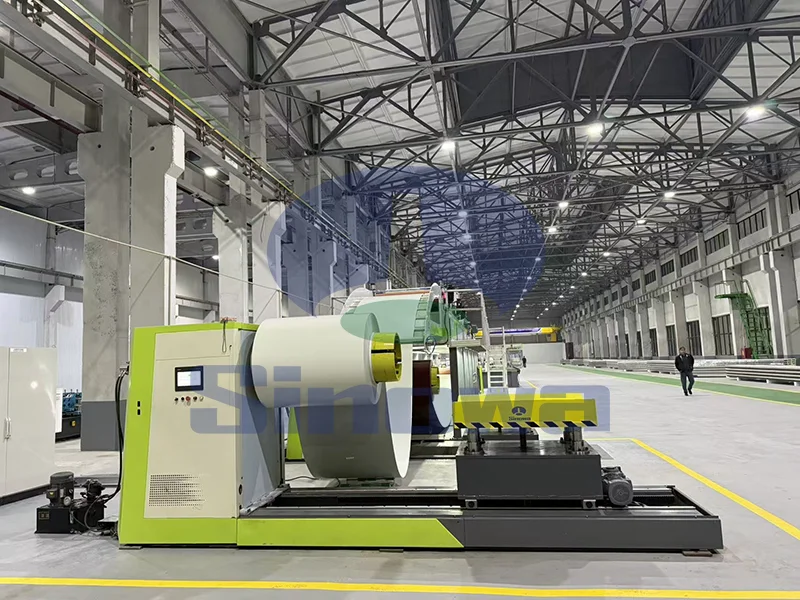
The structure of a polyurethane sandwich panel line is a complex and coordinated system composed of multiple functional units, each of which undertakes specific production tasks and works together to complete the entire process from raw material processing to finished product forming. The core structure of the production line usually starts with the unwinding unit, which is responsible for stably feeding the facing materials into the subsequent processing links. The unwinding unit is generally equipped with two unwinding machines, each consisting of a material rack and a trolley, and is driven by a hydraulic motor to realize active unwinding of the coil materials. The base and frame of the unwinding machine are welded with rectangular pipes to ensure the rigidity and stability of the equipment, while the opening of the unwinding machine can be adjusted by a cylinder with a rotating distributor to fix coils of different diameters, and the inner surface belt on the core shaft can be equipped with pads of different specifications to adapt to different coil sizes. In addition, a lifting car is usually matched with the unwinding unit to transport the coils to the unwinding machine through a lifting mechanism, realizing convenient loading and unloading of materials, and the lifting car walks along the guide rail driven by a hydraulic motor, ensuring stable and efficient material transportation.
After the unwinding process, the facing materials enter the preheating unit, which plays a key role in improving the bonding effect between the facing and the core material and enhancing the structural stability of the final panel. The preheating unit is usually composed of a preheating furnace and a temperature control system, which can uniformly heat the metal facing materials to an appropriate temperature. This preheating treatment not only removes the moisture on the surface of the facing materials but also improves the wettability of the surface, making the subsequent bonding between the polyurethane foam and the facing more firm and reducing the possibility of delamination. At the same time, while the facing materials are being preheated, the polyurethane raw materials required for the core are prepared in the material mixing and foaming unit, which is the core part of the entire production line. The polyurethane raw materials, mainly including isocyanate and polyether polyol, are transported to special tanks and accurately proportioned by a metering pump unit. The metering pump can precisely control the flow rate of each component to ensure the stability of the foam quality. The proportioned raw materials are then sent to the mixing head, where they are fully mixed under high pressure to form a uniform polyurethane foam liquid, which is ready for subsequent pouring.
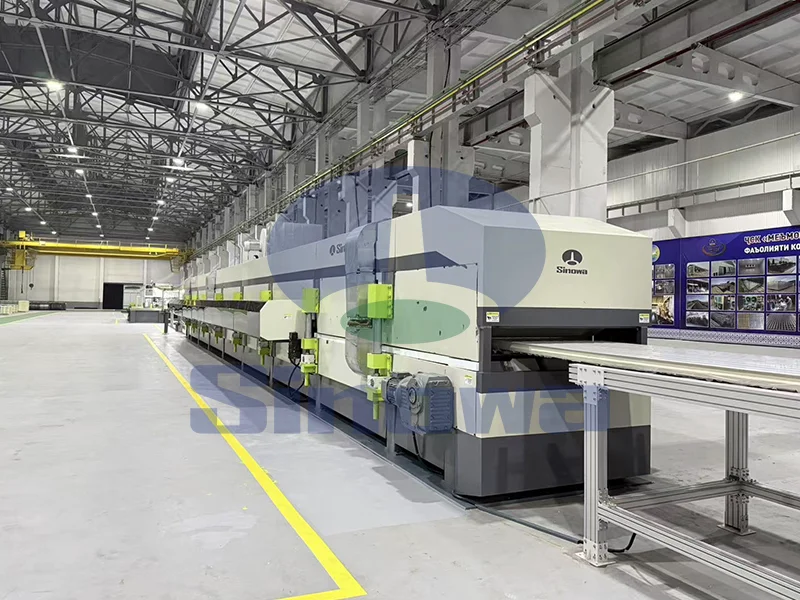
The composite forming unit is the key link that determines the structure and performance of the polyurethane sandwich panel, mainly composed of a foaming device, a double-track conveyor, and a thickness control system. The uniformly mixed polyurethane foam liquid is accurately sprayed onto the preheated bottom facing material through a mobile distributor, and the mobile distributor can flexibly adjust the distance and height from the double-track conveyor according to the width of the panel to ensure the uniform distribution of the foam liquid and avoid local density unevenness. Then, the upper facing material is accurately lowered through the guide roller device of the upper unwinding platform and enters the double-track conveyor together with the bottom facing material carrying the foam liquid. The double-track conveyor is equipped with chain plate units, lifting units, and insulation units. The chain plate units carry the panels forward for transportation, the lifting units adjust the height of the machine body through precision hydraulic elevators to accurately control the thickness of the panels, and the insulation units maintain the internal temperature at about 60℃ through a combination of electric heating tubes and fuel furnaces, providing a stable temperature environment for the full foaming and curing of the polyurethane raw materials. During the transportation process of the double-track conveyor, which is usually about 24 meters long, the polyurethane foam liquid undergoes a complete foaming reaction and firmly bonds with the upper and lower facing materials to form a complete composite panel blank. The high-precision processing of the chain plate units ensures the flatness of the panel surface and the consistency of thickness.
After the composite forming, the panel blank enters the cooling and cutting unit to complete the final shaping and processing. The cooling unit usually adopts a natural cooling or forced cooling method. The panels after heating and curing are first conveyed to the cooling conveyor through a non-powered roller table, and the heat is dissipated through the cooling system to make the panel structure more stable and avoid deformation caused by rapid cooling. The cutting unit is equipped with a fixed-length cutting machine, which can accurately capture the length signal of the panel through a detection device, and then the clamping cylinder pushes the clamping block to fix the panel, and the cutting motor drives the saw blade to move horizontally to realize precise cutting of the panel according to the set length. After cutting, the clamping device automatically lifts, and the machine body returns to the original position under the action of the reset cylinder to wait for the next cutting instruction. For production lines with higher automation requirements, a board drying unit, a stacking unit, and a packaging unit can be added after the cutting unit to realize the whole process of continuous production from raw material processing to finished product storage, which greatly improves production efficiency and reduces manual operation errors.
The intelligent control system is the "brain" of the entire polyurethane sandwich panel line, which is responsible for coordinating and controlling the operation of each functional unit to ensure the stability and continuity of the production process. The control system is usually divided into three control modules: the unwinding area, the double-track forming machine area, and the board cooling and cutting area. Through the coordination of programmable controllers, touch screens, and detection switches, it realizes the precise input and real-time adjustment of production parameters. Operators can set production parameters such as production speed, panel thickness, and cutting length through the touch screen, and the system automatically synchronizes the operation status of each unit equipment to ensure the smooth connection of the entire production process. In addition, the control system is also equipped with a safety protection function. Each operation position of the production line is equipped with an emergency stop button, which can quickly cut off the equipment operation in case of an emergency, ensuring the safety of operators and equipment. The stable operation of the intelligent control system enables the production line to maintain a stable production speed of 3-6 meters per minute, with an annual output capacity of millions of square meters, while effectively ensuring the stability of product quality.
The performance of a polyurethane sandwich panel line is mainly reflected in production efficiency, processing precision, stability, flexibility, and energy conservation, which are important indicators to measure the quality and application value of the production line. In terms of production efficiency, the continuous production mode adopted by the polyurethane sandwich panel line avoids the interruption of the production process caused by manual operation, and the automated operation of each unit greatly improves the production speed. Compared with traditional manual or semi-automatic production methods, the production efficiency of the continuous polyurethane sandwich panel line is increased by more than 50%, which can meet the large-scale production needs of enterprises. At the same time, the production line can achieve continuous production 24 hours a day, further improving the utilization rate of equipment and the output of products.
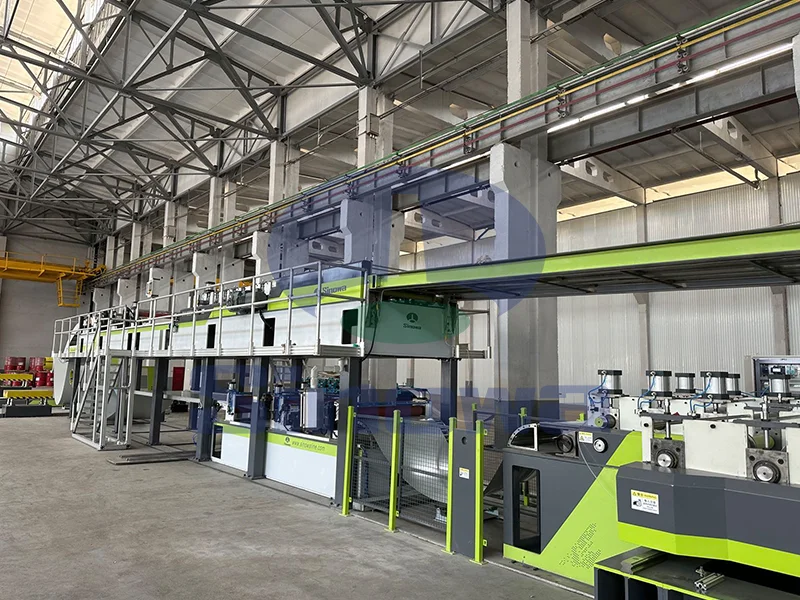
Processing precision is another important performance indicator of the polyurethane sandwich panel line, which directly affects the dimensional accuracy and appearance quality of the produced panels. The unwinding unit of the production line is equipped with a tension control system and an automatic centering device, which can ensure that the coil material is unfolded stably without deviation, laying a foundation for the subsequent processing precision. The double-track conveyor's chain plate units are processed with high precision, which can ensure that the thickness error of the panel is within a small range, usually less than 1%. The fixed-length cutting machine is equipped with a high-precision detection device and a cutting mechanism, which can realize precise cutting of the panel, and the length error can be controlled within a few millimeters. In addition, the temperature control system of the production line can accurately control the preheating temperature of the facing materials and the foaming temperature of the polyurethane, ensuring the uniformity of the foam density and the firmness of the bonding between the facing and the core material, thus improving the overall quality of the panels.
Stability is the guarantee for the long-term operation of the polyurethane sandwich panel line. The key components of the production line, such as the unwinding machine, double-track conveyor, and cutting machine, are made of high-strength materials and processed through precision manufacturing processes, which have good wear resistance and corrosion resistance and can adapt to long-term high-intensity production. The intelligent control system can real-time monitor the operation status of each unit equipment, find and alarm potential faults in time, and reduce the downtime caused by equipment failures. At the same time, the production line is equipped with a complete lubrication system and maintenance system, which can effectively extend the service life of the equipment and ensure the stability and continuity of the production process. In actual production, a well-designed polyurethane sandwich panel line can operate stably for a long time with a low failure rate, reducing the maintenance cost and production loss of enterprises.
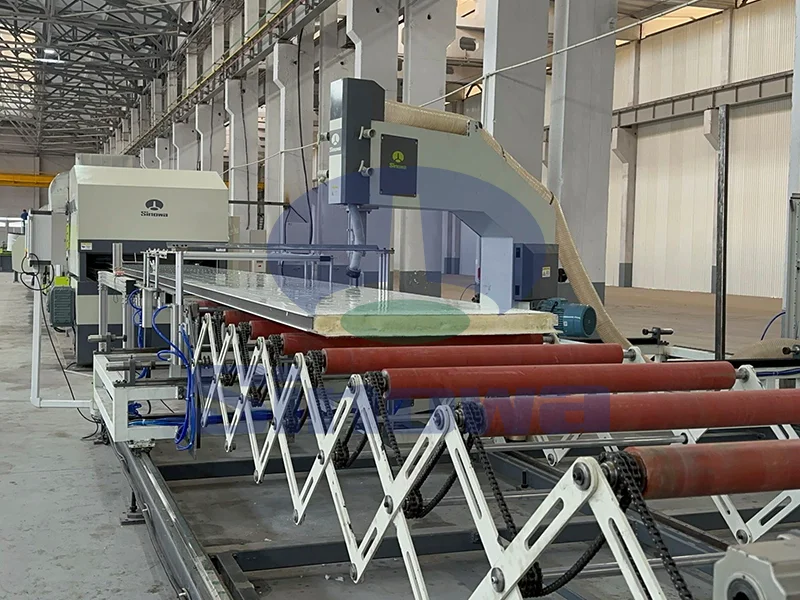
Flexibility is an important performance that enables the polyurethane sandwich panel line to adapt to diverse market demands. The production line can flexibly adjust production parameters according to the needs of different products, such as adjusting the thickness of the panel (usually between 30mm and 200mm), the width of the panel (usually between 1000mm and 2000mm), and the type of facing material (such as metal sheets, glass fiber reinforced plastic, non-woven fabric, etc.). For different types of polyurethane sandwich panels, such as fire-resistant panels, waterproof panels, and sound-insulating panels, the production line can adjust the proportion of polyurethane raw materials and the foaming process to meet the different performance requirements of the panels. In addition, the production line can also adapt to the processing needs of different coil materials, such as coils of different diameters and thicknesses, through the adjustment of the unwinding unit, improving the versatility of the production line.
Energy conservation and environmental protection are important development trends of modern manufacturing equipment, and the polyurethane sandwich panel line also has excellent performance in this regard. The production line adopts an advanced energy-saving design, such as the insulation unit of the double-track conveyor adopts efficient insulation materials, which can reduce heat loss and save energy consumption. The metering pump unit of the production line can accurately control the consumption of raw materials, avoid the waste of raw materials, and reduce the production cost. At the same time, the production process of the polyurethane sandwich panel line does not produce harmful gases or pollutants, and the waste materials generated in the production process can be recycled and reused, which is in line with the requirements of environmental protection. In addition, the panels produced by the production line have excellent thermal insulation performance, which can help reduce the energy consumption of buildings in the later use process, indirectly realizing energy conservation and environmental protection.
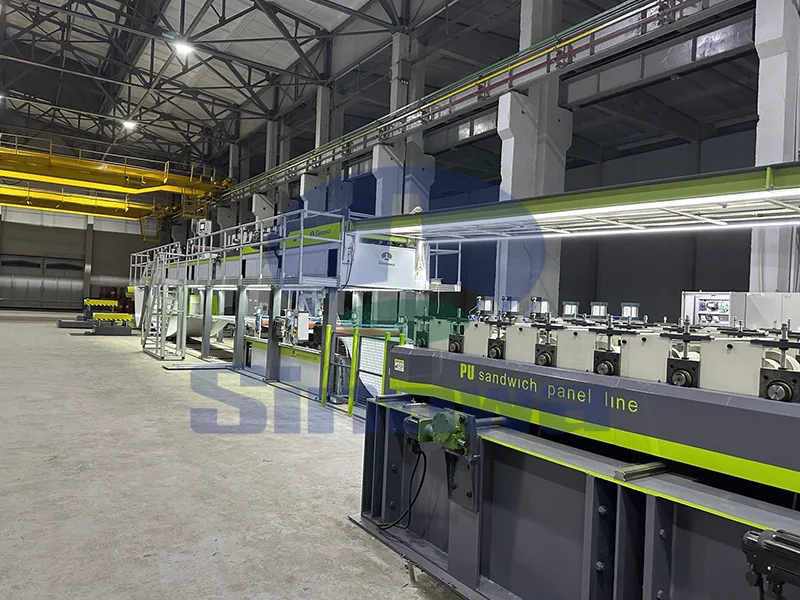
According to the production mode, structural characteristics, and product types, polyurethane sandwich panel lines can be divided into different types, each of which has its own characteristics and applicable scenarios, enabling the production line to meet the diverse needs of different fields and enterprises. According to the production mode, the production line can be divided into continuous polyurethane sandwich panel lines and discontinuous polyurethane sandwich panel lines. The continuous production line is the most widely used type at present, which adopts a fully automated continuous production mode, with high production efficiency, stable product quality, and suitable for large-scale mass production. The continuous production line can realize the continuous completion of unwinding, preheating, foaming, composite forming, cooling, cutting, stacking, and other processes, with a high degree of automation and low manual intervention. The discontinuous production line, also known as the intermittent production line, adopts an intermittent production mode, which is suitable for small-batch, multi-variety production. The production process of the discontinuous production line is relatively flexible, and it can produce panels of different specifications and types according to the needs, but the production efficiency is relatively low, which is suitable for enterprises with small production scale and diverse product needs.
According to the type of core material, the polyurethane sandwich panel line can be divided into pure polyurethane sandwich panel lines and composite core polyurethane sandwich panel lines. The pure polyurethane sandwich panel line is mainly used to produce panels with pure polyurethane foam as the core material, which has excellent thermal insulation, waterproof, and sound-insulating performance, and is suitable for fields with high requirements for thermal insulation and waterproof. The composite core polyurethane sandwich panel line can produce panels with composite core materials, such as polyurethane and rock wool, polyurethane and EPS, etc. The composite core panels combine the advantages of different core materials, such as the thermal insulation performance of polyurethane and the fire-resistant performance of rock wool, which can meet the special performance requirements of different application scenarios. For example, the polyurethane-rock wool composite core panel has both excellent thermal insulation performance and high fire-resistant performance, which is suitable for high-rise buildings, industrial plants, and other fields with high fire safety requirements.
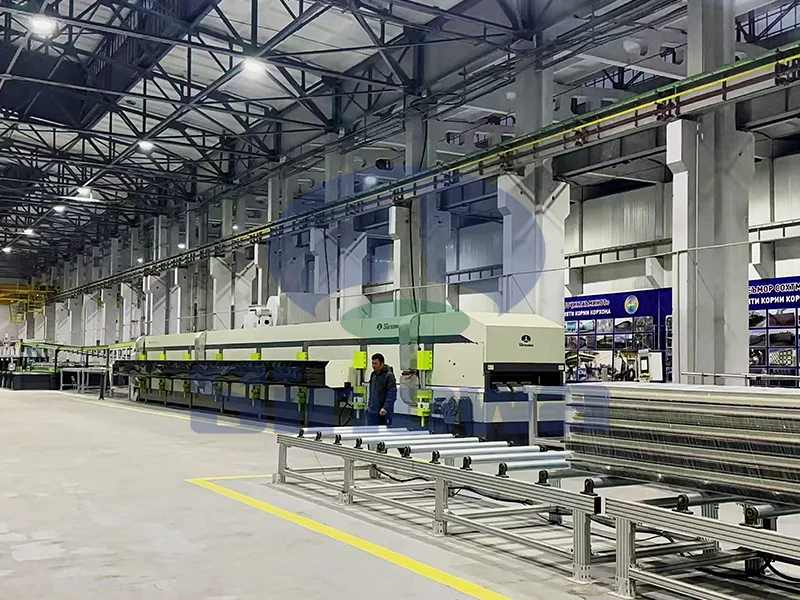
According to the type of facing material, the polyurethane sandwich panel line can be divided into metal facing polyurethane sandwich panel lines and non-metal facing polyurethane sandwich panel lines. The metal facing polyurethane sandwich panel line is the most common type, which uses metal sheets (such as galvanized steel sheets, color steel sheets, aluminum sheets, etc.) as the facing material. The panels produced have high structural strength, good corrosion resistance, and beautiful appearance, and are widely used in industrial plants, logistics warehouses, cold storage, and other fields. The non-metal facing polyurethane sandwich panel line uses non-metal materials (such as glass fiber reinforced plastic, non-woven fabric, wood-based panels, etc.) as the facing material. The panels produced have the characteristics of light weight, corrosion resistance, and sound insulation, and are suitable for interior decoration, cultural and entertainment facilities, and other fields.
In addition, according to the functional characteristics of the production line, it can also be divided into ordinary polyurethane sandwich panel lines and special functional polyurethane sandwich panel lines. The ordinary production line is mainly used to produce standard polyurethane sandwich panels, which meet the basic performance requirements and are suitable for general application scenarios. The special functional production line is designed for specific functional requirements, such as fire-resistant polyurethane sandwich panel lines, waterproof polyurethane sandwich panel lines, sound-insulating polyurethane sandwich panel lines, etc. These production lines are equipped with special processing equipment and processes to produce panels with specific functional characteristics, which can meet the special needs of different fields.
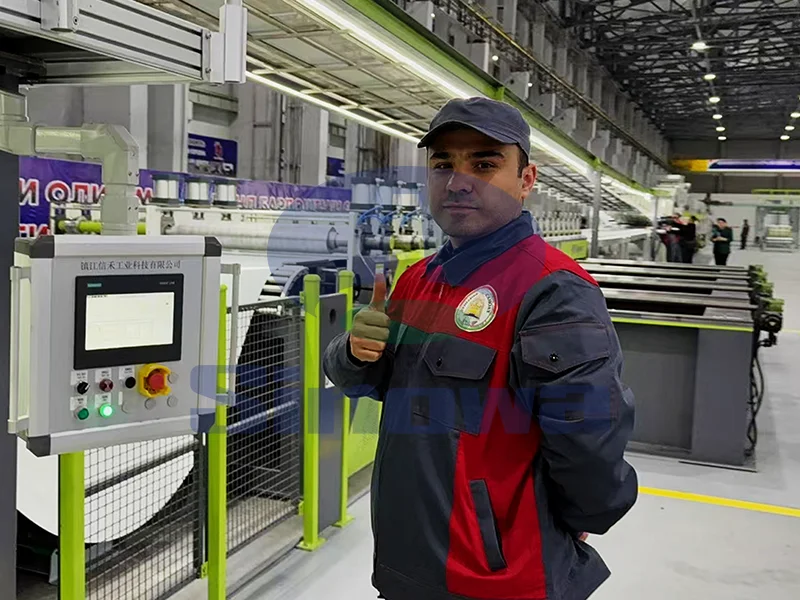
The wide range of applications of polyurethane sandwich panel lines is closely related to the excellent performance of the panels they produce, and these panels are widely used in construction, cold chain logistics, industrial production, public facilities, and other fields, bringing great convenience and value to various industries. In the field of construction, polyurethane sandwich panels produced by the production line are widely used as wall panels, roof panels, and partition panels in industrial plants, commercial buildings, residential buildings, and other buildings. Due to their light weight, high strength, excellent thermal insulation, and sound-insulating performance, they can reduce the self-weight of the building, improve the thermal insulation and sound-insulating effect of the building, and reduce the energy consumption of the building. In industrial plants, the panels can effectively isolate noise and heat, create a comfortable working environment for workers; in commercial buildings, the panels have a beautiful appearance and can be customized according to the design requirements, improving the grade and aesthetics of the building; in residential buildings, the panels can improve the thermal insulation performance of the house, reduce the energy consumption of air conditioning and heating, and improve the living comfort of residents.
The cold chain logistics industry is another important application field of polyurethane sandwich panel lines. The polyurethane sandwich panels produced by the production line have excellent thermal insulation performance, with a thermal conductivity as low as 0.017-0.025 W/(m·K), and a closed-cell rate of more than 95%, which can effectively block the penetration of moisture and heat. These panels are widely used in the construction of cold storage, refrigerated warehouses, refrigerated trucks, and other cold chain facilities. A panel with a thickness of only 5 centimeters can achieve the same thermal insulation effect as a one-meter-thick concrete wall, which can effectively maintain the low-temperature environment inside the cold storage and refrigerated trucks, reduce the energy consumption of refrigeration equipment, and ensure the quality and safety of refrigerated goods. In addition, the panels have good waterproof and moisture-proof performance, which can avoid the problem of frost and condensation inside the cold storage, extending the service life of the cold storage.
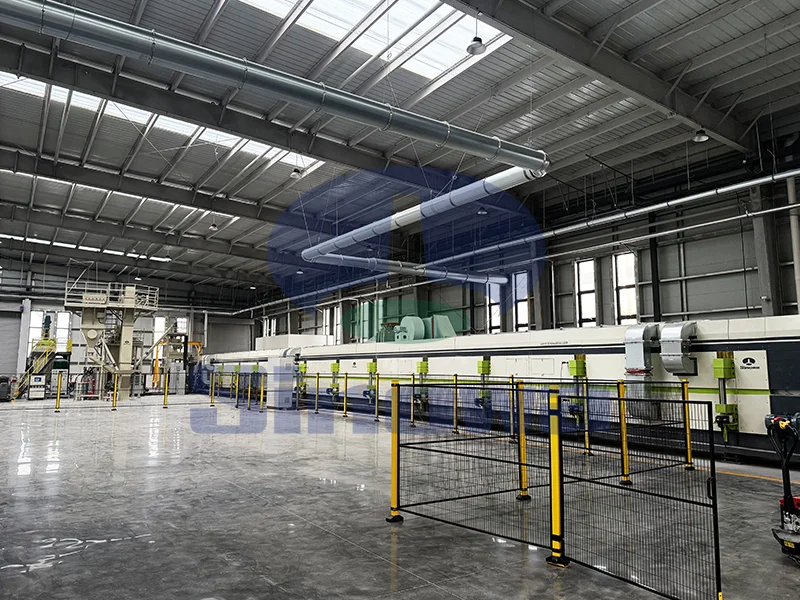
In the field of industrial production, polyurethane sandwich panels produced by the production line are widely used in the insulation and protection of industrial equipment and pipelines. Industrial equipment and pipelines often generate a lot of heat or need to maintain a certain temperature during operation, and the polyurethane sandwich panels can play a good role in thermal insulation and heat preservation, reducing heat loss and energy consumption. At the same time, the panels have good corrosion resistance and wear resistance, which can protect industrial equipment and pipelines from external environmental erosion, extending their service life. In addition, the panels can also be used in the construction of clean workshops in industries such as electronics, medicine, and food, because they have good airtightness and cleanliness, which can meet the high requirements of clean workshops for the environment.
Public facilities are also an important application field of polyurethane sandwich panel lines. The panels produced by the production line are widely used in the construction of airports, railway stations, stadiums, exhibition centers, and other public facilities. These public facilities have the characteristics of large space, high requirements for thermal insulation and sound insulation, and short construction period. The polyurethane sandwich panels have the advantages of fast installation, light weight, high strength, and excellent thermal insulation and sound-insulating performance, which can meet the construction requirements of public facilities. For example, in stadiums, the panels can effectively isolate external noise and maintain a comfortable indoor environment; in exhibition centers, the panels can be quickly installed and disassembled, facilitating the layout and adjustment of the exhibition space; in airports and railway stations, the panels have a beautiful appearance and good durability, which can improve the overall image of the public facilities.
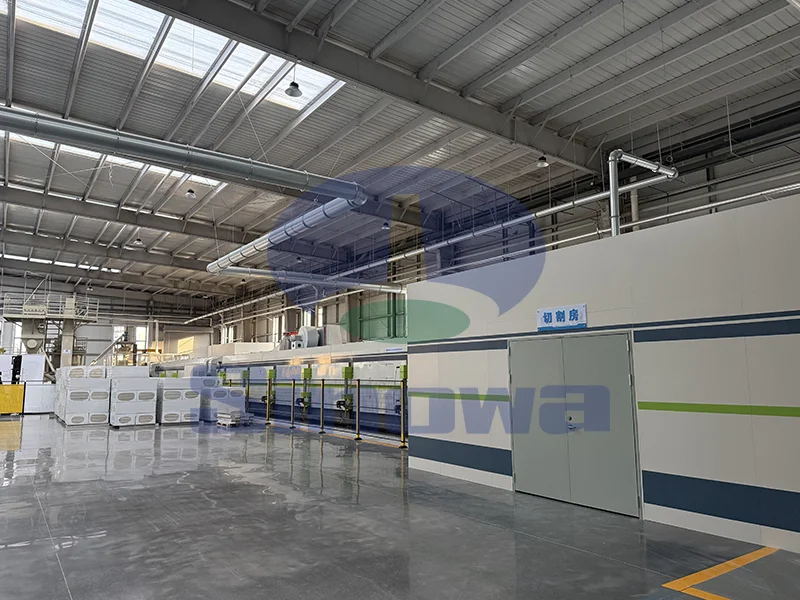
In addition to the above fields, polyurethane sandwich panel lines also have a wide range of applications in agricultural production, mobile buildings, and other fields. In agricultural production, the panels can be used to build greenhouses, livestock houses, and other facilities, which can maintain a suitable temperature and humidity environment, promote the growth of crops and livestock, and improve the output and quality of agricultural products. In mobile buildings, such as mobile houses, temporary offices, and temporary hospitals, the panels have the advantages of light weight, fast installation, and easy disassembly, which can meet the needs of temporary use and rapid relocation. With the continuous development of science and technology and the continuous improvement of market demand, the application fields of polyurethane sandwich panel lines will continue to expand, and the market prospect is very broad.
In summary, the polyurethane sandwich panel line is a high-tech, high-efficiency, and multi-functional manufacturing equipment system, whose structure is composed of multiple coordinated functional units, and its performance is reflected in production efficiency, processing precision, stability, flexibility, and energy conservation. According to different classification standards, the production line can be divided into various types, each of which has its own characteristics and applicable scenarios. The panels produced by the production line have excellent comprehensive performance, and are widely used in construction, cold chain logistics, industrial production, public facilities, and other fields, making important contributions to the development of various industries. With the continuous progress of technology and the continuous expansion of market demand, the polyurethane sandwich panel line will continue to develop in the direction of intelligence, high efficiency, energy conservation, and environmental protection, and its application value and market potential will be further explored and utilized.
« Polyurethane Sandwich Panel Line » Update Date: 2026/4/14
URL: https://m.sinowa.cn/blog/polyurethane-sandwich-panel-line.html
Polyurethane Sandwich Panel Line Manufacturer
2026-07-27Polyurethane sandwich panel line has become a core piece of specialized industrial equipment for manufacturing high-performance composite insulation panels, serving as an integrated automated production system that comple…Polyurethane Sandwich Panel Line Manufacturing
2026-05-25Polyurethane sandwich panel line manufacturing represents a sophisticated and integrated industrial production system designed to fabricate high-performance composite panels that combine structural stability, thermal insu…Fully Automatic Polyurethane Sandwich Panel Line
2026-04-15In the modern construction and industrial manufacturing sectors, the demand for high-efficiency, high-performance composite building materials has been surging steadily, and polyurethane sandwich panels have emerged as a …Composite Polyurethane Sandwich Panel Line
2026-03-20Composite polyurethane sandwich panels stand as one of the most versatile and high-performance building and industrial enclosure materials in modern manufacturing, engineered through a specialized continuous production li…Color Steel Polyurethane Sandwich Panel Line
2025-12-01Hard Polyurethane Sandwich Panel Line
2025-12-01Pure Polyurethane Sandwich Panel Line
2025-12-01Insulation Polyurethane Sandwich Panel Line
2024-09-20Reliable Polyurethane Sandwich Panel Line
2024-01-06Polyurethane Sandwich Panel Line For Wall
2024-01-06
A pu sandwich panel line stands as a highly efficient and automated production solution dedicated to manufacturing high-performance insulated panels, playing a vital role in modern construction and industrial engineering sectors. This integrated production system streamlines the entire manufacturing process, starting with the uncoiling and leveling of outer facing materials, which are carefully treated to ensure flat, smooth surfaces free of defects and suitable for subsequent bonding. Next comes the core production step: precise mixing and uniform distribution of polyurethane raw materials, where specialized equipment controls the ratio and flow rate strictly to guarantee consistent foam density and stable bonding performance between the core and facings. The pu sandwich panel machine features a controlled curing and forming system that maintains stable temperature and pressure conditions, allowing the polyurethane foam to fully expand, solidify and bond tightly with the upper and lower layers, forming a rigid, durable sandwich structure. Post-forming, the panels go through accurate cutting and finishing processes to meet diverse size specifications demanded by different projects. Designed for continuous operation, this pu sandwich panel production line boosts manufacturing efficiency remarkably while ensuring uniform product quality across batches, reducing manual errors and material waste effectively. The finished PU sandwich panels deliver outstanding thermal insulation, sound absorption and structural strength, making them widely applicable in building roofs, walls, cold storage facilities and industrial workshops, adapting to various environmental and functional needs with reliable performance and long service life.