- Home
- Sandwich Panel Line
- Roll Forming Machine
- CZ Purlin Roll Forming Machine
- Door Window Curtain Partition Roll Forming Machine
- Gutter Roll Forming Machine
- Clean Partition Panel Machine
- Corrugated Panel Roll Forming Machine
- Double Layer Roof Roll Forming Machine
- High Speed Keel Roll Forming Machine
- Light Steel-Frame Structure Production Line
- C Channel Roll Forming Machine
- Insulated Panels
- Steel Profiles
- About
- Contact
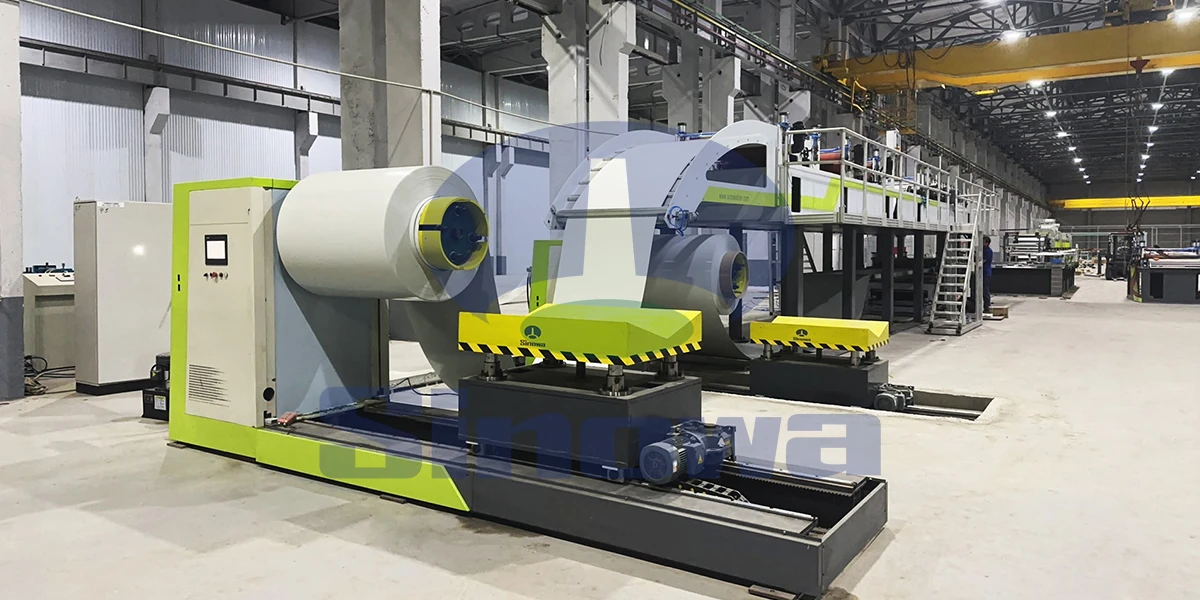
Sandwich Panel Making Machine
Sinowa is a supplier and manufacturer of Sandwich Panel Making Machine in china, customization on demand width a reasonable price.
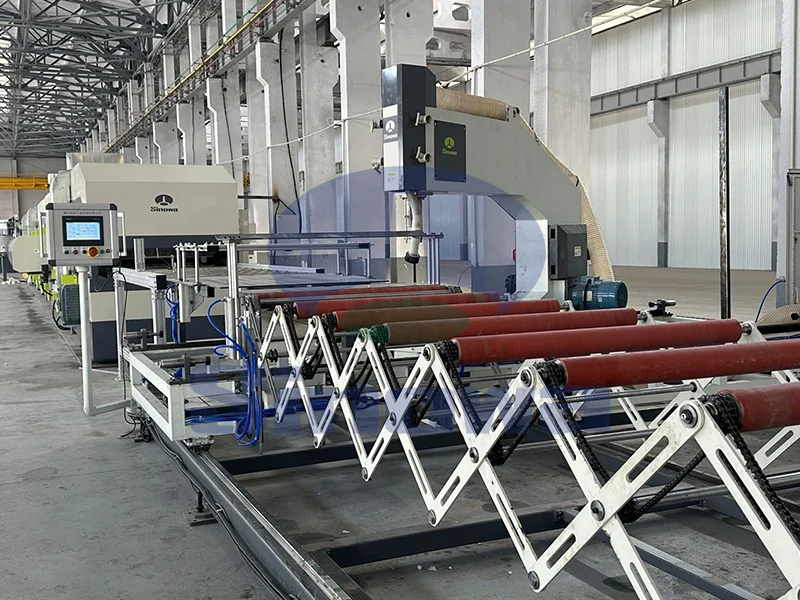
Sandwich panel making machines stand as core industrial equipment dedicated to the mass production of composite sandwich panels, integrating mechanical transmission, precision molding, material bonding, and automated control technologies into a unified and efficient production system. These machines have reshaped the manufacturing landscape of composite building and industrial materials, streamlining the once complex and labor-intensive production process into a continuous, standardized, and high-precision workflow. Unlike traditional manual or semi-automatic processing equipment, modern sandwich panel making machines are engineered with a holistic structural design that prioritizes stability, adaptability, and operational efficiency, catering to the evolving demands of diverse industrial sectors for high-performance composite panels. Every component of the machine is meticulously designed and assembled to work in seamless coordination, ensuring that raw materials are transformed into finished sandwich panels with consistent quality, precise dimensions, and reliable functional properties, without relying on branded components or standardized certification labels to validate their operational value.
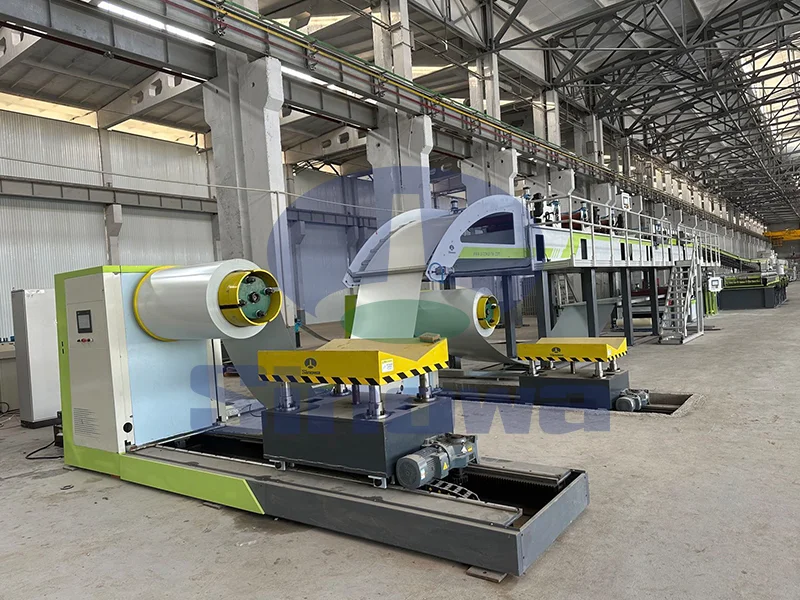
At the heart of the sandwich panel making machine lies its robust and rational structural composition, which is divided into several interconnected functional modules that collaborate throughout the entire production chain. The initial module is the uncoiling and feeding system, which serves as the starting point of the production line, responsible for unwinding coiled facing materials—typically metal sheets, though other rigid or semi-rigid materials can also be processed—and delivering them steadily to subsequent processing units. This system is equipped with tension control mechanisms to maintain uniform material tension during unwinding, preventing material deformation, misalignment, or breakage that could compromise panel quality. Following the uncoiling system is the roll forming unit, a precision-engineered section that shapes the flat facing materials into predetermined profiles through a series of calibrated rollers. The rollers are designed with customizable contours, allowing the machine to produce panels with different surface patterns, edge structures, and cross-sectional shapes to meet specific application needs; the forming process is smooth and non-damaging, preserving the integrity and surface finish of the facing materials.
Moving forward, the core bonding and laminating module forms the most critical part of the machine’s structure, where the inner insulation core material is securely bonded between the two shaped facing layers to create the composite sandwich structure. This module features a controlled heating and pressing system, which applies moderate heat and consistent pressure to activate the adhesive layer, ensuring tight, void-free bonding between the core and facings. The heating elements are distributed evenly across the pressing surface to avoid localized overheating or insufficient bonding, while the pressure application is adjustable to accommodate different core material densities and thicknesses. Adjacent to the laminating module is the precision cutting and trimming unit, which operates with high accuracy to cut the continuously produced panel strips into fixed lengths or custom sizes as required. This unit is equipped with dynamic tracking technology to synchronize cutting speed with the production line speed, ensuring clean, burr-free cuts and minimal material waste. The final structural module is the conveying and stacking system, which transports the finished panels away from the production line, cools them gradually to room temperature, and arranges them neatly for storage or further processing. The entire machine frame is constructed with heavy-duty, high-strength materials to resist vibration and deformation during long hours of continuous operation, maintaining structural stability and processing accuracy over extended service life.
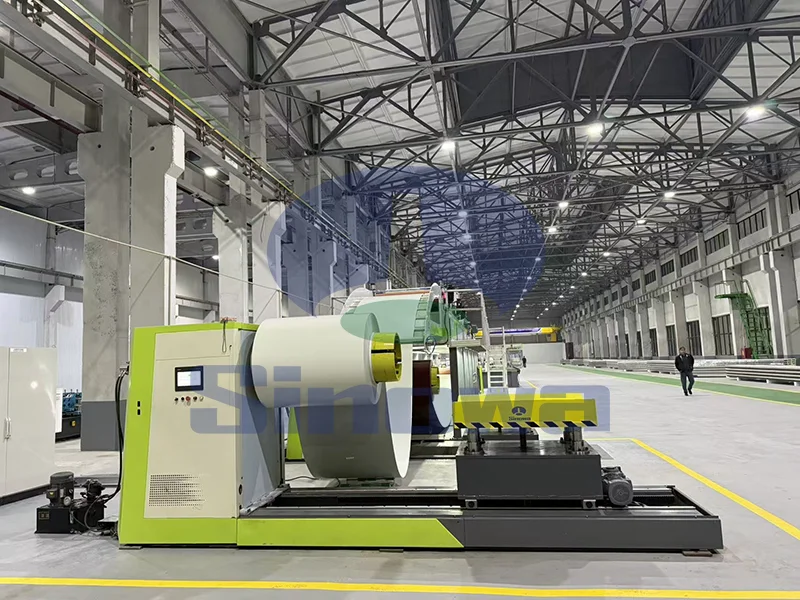
The performance attributes of sandwich panel making machines are tailored to meet the rigorous requirements of industrial mass production, combining high efficiency, precision, versatility, and durability into a single operational package. One of the most prominent performance features is continuous and stable production capacity, enabling the machine to run uninterrupted for extended periods with consistent output, significantly boosting manufacturing efficiency compared to batch processing equipment. The production speed is adjustable within a reasonable range, allowing operators to match the line speed with the characteristics of raw materials and the required panel quality, balancing speed and precision effectively. In terms of processing precision, the machine ensures strict compliance with dimensional tolerances for finished panels, including uniform thickness, accurate width and length, and consistent profile shaping; this precision eliminates the need for extensive secondary processing and ensures seamless installation of the panels in practical applications.
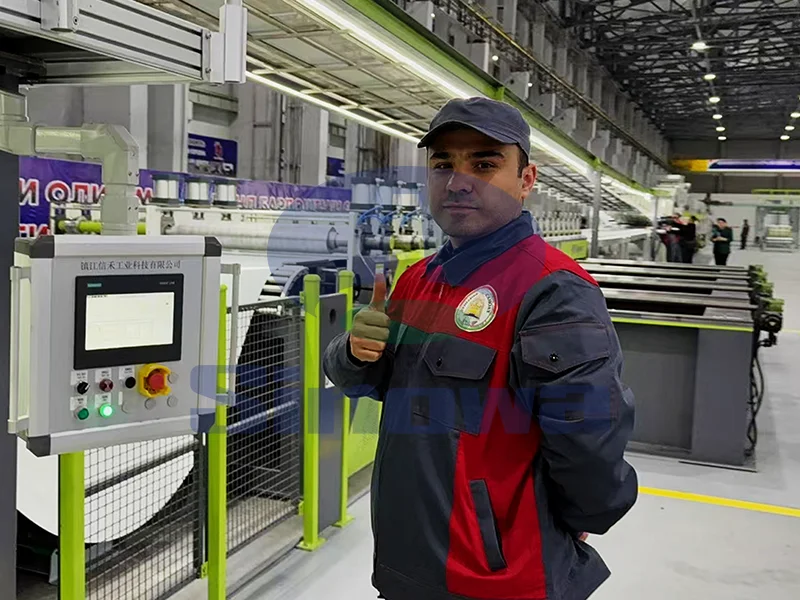
Another key performance indicator is material adaptability, as the machine can accommodate a wide range of facing materials and core materials without major structural modifications. Common facing materials include various metal sheets, such as galvanized steel, color-coated steel, and aluminum alloy, while alternative non-metal facing materials can also be processed with minor adjustments to the feeding and forming units. For core materials, the machine is compatible with multiple insulation and structural cores, such as expanded polystyrene, polyurethane foam, rock wool, and glass wool, each with distinct physical properties like thermal insulation, fire resistance, and compressive strength. The machine’s operational stability is further enhanced by its automated control system, which simplifies operation, reduces manual intervention, and minimizes human error. Operators can set key parameters such as production speed, heating temperature, pressing pressure, and cutting length through a user-friendly control interface, and the system monitors real-time operational status, making automatic adjustments to maintain optimal production conditions. Additionally, the machine is designed with energy-saving features, optimizing power and heat utilization to reduce operational consumption, and its low-maintenance design reduces downtime for upkeep, improving overall operational efficiency and cost-effectiveness in long-term use.
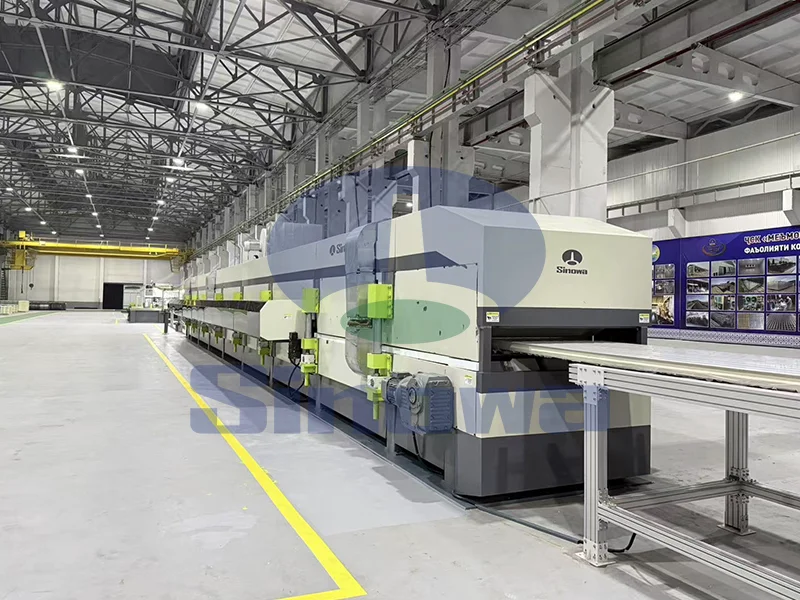
Sandwich panel making machines are classified into distinct types based on processing technology, core material compatibility, and production scale, each designed to fulfill specific production needs and application scenarios, ensuring targeted and efficient manufacturing. The most common classification is based on the type of core material processed, with each variant optimized for the unique properties of the corresponding core. The first major type is the EPS core sandwich panel making machine, tailored for expanded polystyrene core materials, which are lightweight, cost-effective, and widely used for general thermal insulation. This machine features a simplified laminating system with moderate heating and pressing parameters, suitable for the low-density, easy-molding characteristics of EPS cores, and is ideal for small to medium-scale production of general-purpose sandwich panels. The second type is the polyurethane (PU/PIR) core sandwich panel making machine, engineered for high-performance foam cores with superior thermal insulation, flame retardancy, and bonding strength. This machine is equipped with a precision foaming and injection system, precise temperature control, and high-pressure laminating mechanisms to ensure uniform foam distribution and tight bonding with facings, catering to high-standard insulation panel production.
The third type is the mineral wool core sandwich panel making machine, designed for rock wool and glass wool cores that offer exceptional fire resistance, sound insulation, and high-temperature stability. Given the rigid, brittle, and dust-prone nature of mineral wool, this machine incorporates dust removal devices, reinforced feeding mechanisms, and gentle pressing systems to prevent core breakage and ensure smooth processing, making it suitable for producing fire-resistant and sound-insulating panels for high-safety applications. Beyond core material-based classification, machines are also categorized by production automation level: semi-automatic models require partial manual operation for parameter adjustment and material handling, making them suitable for small-scale workshops or customized small-batch production; fully automatic models integrate all processing steps into a fully automated workflow, from uncoiling to stacking, with minimal manual oversight, ideal for large-scale industrial manufacturing facilities with high output demands. Additionally, there are specialized portable or compact sandwich panel making machines for on-site production, designed with a lightweight, modular structure for easy transportation and assembly, catering to projects that require on-demand panel production at construction or installation sites.
The versatility of sandwich panel making machines translates to a vast array of practical applications across multiple industries, with the finished sandwich panels serving as high-value functional materials that combine structural strength, thermal insulation, sound insulation, and weather resistance. The most prominent application sector is the construction industry, where sandwich panels are widely used for industrial plants, warehouses, commercial buildings, and prefabricated residential structures. In construction, the panels are utilized for external wall cladding, roofing systems, and internal partition walls, offering lightweight yet sturdy structural support, excellent thermal insulation to reduce energy consumption for heating and cooling, and quick installation that accelerates construction progress and shortens project timelines. The customizable profiles and surface finishes of the panels also enhance the aesthetic appeal of buildings, meeting both functional and design requirements of modern architectural projects.
In the cold chain and refrigeration industry, sandwich panels produced by these machines are indispensable materials for constructing cold storage warehouses, refrigerated trucks, constant-temperature workshops, and food processing facilities. The high-performance thermal insulation cores of the panels effectively block heat transfer, maintaining stable low-temperature or constant-temperature environments, reducing energy loss for refrigeration equipment, and ensuring the quality and freshness of perishable goods such as food, pharmaceuticals, and agricultural products. The airtight and moisture-resistant properties of the panels also prevent condensation and mold growth, maintaining a clean and stable internal environment for temperature-sensitive applications. Another key application area is the industrial and manufacturing sector, where sandwich panels are used to build clean rooms, dust-free workshops, and sound-insulated production areas. The panels’ sound insulation properties reduce noise pollution in industrial settings, while their smooth, non-porous surfaces are easy to clean and sanitize, meeting the strict environmental standards of electronics, pharmaceutical, and precision manufacturing industries.
Furthermore, sandwich panel making machines support applications in the transportation and marine industries, producing lightweight, high-strength panels for vehicle bodies, ship compartments, and modular transport equipment. The lightweight nature of the panels reduces the overall weight of transportation vehicles, improving fuel efficiency, while their structural rigidity and impact resistance enhance the durability and safety of the equipment. In the agricultural sector, the panels are used to construct greenhouses, livestock barns, and agricultural storage facilities, providing effective thermal insulation and weather protection to create a stable growing and breeding environment for crops and livestock. As industrial and construction technologies continue to advance, the application scope of sandwich panel making machines and their finished products is expanding further, driven by the growing demand for energy-efficient, sustainable, and high-performance composite materials. The continuous optimization of the machine’s structure and performance also enables more refined, customized, and eco-friendly panel production, solidifying its role as a critical piece of equipment in modern manufacturing and construction ecosystems, supporting the development of multiple industries with reliable, efficient, and adaptable production solutions.
In summary, the sandwich panel making machine represents a pinnacle of integrated industrial manufacturing technology, with a well-designed structural framework that ensures stable and precise operation, outstanding performance that meets diverse production demands, a diverse range of types that cater to specific processing needs, and extensive applications that span across construction, cold chain, industry, transportation, and agriculture. Its existence has revolutionized the production and application of composite sandwich panels, offering a practical, efficient, and reliable solution for the manufacturing of high-performance composite materials. As market demands evolve and material science progresses, the sandwich panel making machine will continue to undergo technological upgrades and structural optimizations, further enhancing its performance versatility and application potential, and remaining a vital driving force for the development of energy-saving, efficient, and sustainable modern industrial production.
« Sandwich Panel Making Machine » Update Date: 2026/4/15
URL: https://m.sinowa.cn/blog/sandwich-panel-making-machine.html
Rockwool Sandwich Panel Making Machine Manufacturer
2026-08-06Rockwool sandwich panel making machines are advanced integrated production systems tailored for the automated manufacturing of high-performance composite building panels, which combine durable metal outer layers and heat-…Polyurethane Sandwich Panel Making Machine For Sale
2026-07-27Polyurethane sandwich panel making machines are advanced automated production systems designed for the continuous manufacturing of high-performance composite building panels, serving as core equipment for modern insulatio…High-tech Rockwool Sandwich Panel Making Machine
2026-07-10The continuous advancement of modern construction and industrial manufacturing has raised higher standards for building envelope materials, thermal insulation components, and fireproof structural panels. Rockwool sandwich…Rockwool Sandwich Panel Making Machine Supplier
2026-05-25The continuous evolution of modern construction and industrial insulation sectors has driven growing demand for high-performance composite building materials, among which rockwool sandwich panels stand out for their excep…Rockwool Sandwich Panel Making Machine
2026-04-15Rockwool sandwich panel making machines stand as core industrial equipment dedicated to the mass production of rockwool sandwich panels, a high-performance building material widely valued for its exceptional fire resistan…Polyurethane Sandwich Panel Making Machine
2026-04-15Polyurethane sandwich panel making machines stand as core industrial equipment dedicated to the mass production of high-performance polyurethane sandwich panels, integrating mechanical transmission, precision control, che…PU Sandwich Panel Making Machine Supplier
2026-04-14In the modern construction and manufacturing industry, polyurethane (PU) sandwich panels have become an indispensable material due to their excellent thermal insulation, lightweight structure, high strength, and durabilit…PU Sandwich Panel Making Machine Manufacturer
2026-04-09In the evolving landscape of construction and industrial manufacturing, automation has become a cornerstone of efficiency, precision, and scalability. The demand for high-quality, durable, and energy-efficient building ma…PU Sandwich Panel Making Machine
2026-03-12Polyurethane (PU) sandwich panel making machines are core industrial production equipment dedicated to the manufacturing of high-performance composite sandwich panels, which integrate excellent thermal insulation, structu…Mineral Wool Sandwich Panel Making Machine
2026-03-02Mineral wool sandwich panel making machines are specialized equipment designed to produce high-quality mineral wool sandwich panels, which are widely used in various industries due to their excellent thermal insulation, f…
A pu sandwich panel line stands as a highly efficient and automated production solution dedicated to manufacturing high-performance insulated panels, playing a vital role in modern construction and industrial engineering sectors. This integrated production system streamlines the entire manufacturing process, starting with the uncoiling and leveling of outer facing materials, which are carefully treated to ensure flat, smooth surfaces free of defects and suitable for subsequent bonding. Next comes the core production step: precise mixing and uniform distribution of polyurethane raw materials, where specialized equipment controls the ratio and flow rate strictly to guarantee consistent foam density and stable bonding performance between the core and facings. The pu sandwich panel machine features a controlled curing and forming system that maintains stable temperature and pressure conditions, allowing the polyurethane foam to fully expand, solidify and bond tightly with the upper and lower layers, forming a rigid, durable sandwich structure. Post-forming, the panels go through accurate cutting and finishing processes to meet diverse size specifications demanded by different projects. Designed for continuous operation, this pu sandwich panel production line boosts manufacturing efficiency remarkably while ensuring uniform product quality across batches, reducing manual errors and material waste effectively. The finished PU sandwich panels deliver outstanding thermal insulation, sound absorption and structural strength, making them widely applicable in building roofs, walls, cold storage facilities and industrial workshops, adapting to various environmental and functional needs with reliable performance and long service life.