- Home
- Sandwich Panel Line
- Roll Forming Machine
- CZ Purlin Roll Forming Machine
- Door Window Curtain Partition Roll Forming Machine
- Gutter Roll Forming Machine
- Clean Partition Panel Machine
- Corrugated Panel Roll Forming Machine
- Double Layer Roof Roll Forming Machine
- High Speed Keel Roll Forming Machine
- Light Steel-Frame Structure Production Line
- C Channel Roll Forming Machine
- Insulated Panels
- Steel Profiles
- About
- Contact
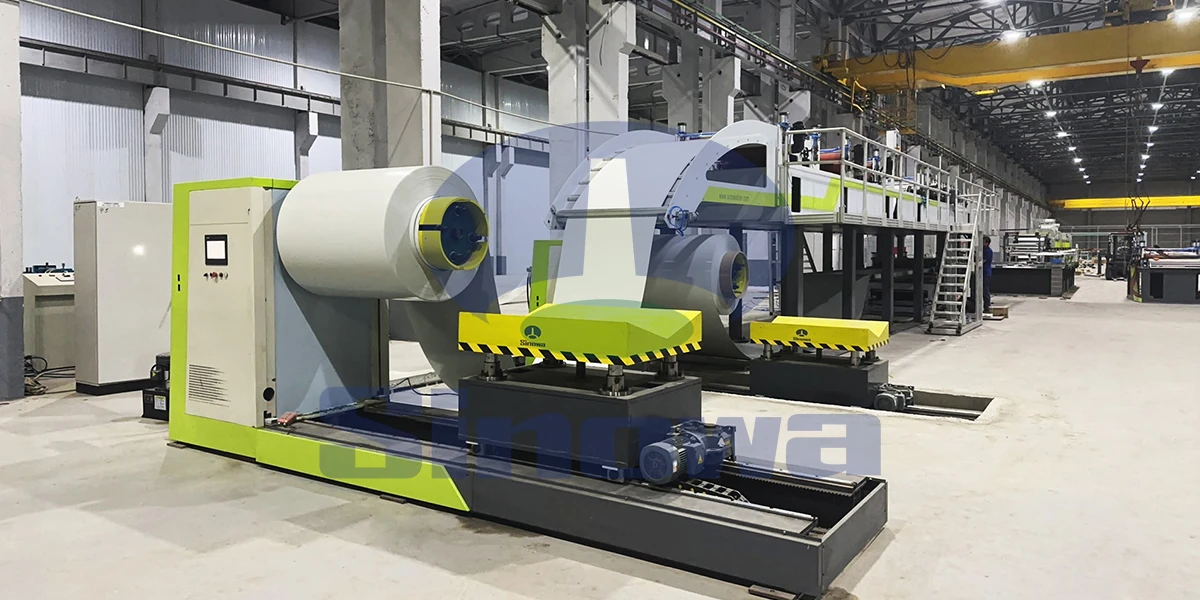
Sandwich Panel Production Machinery
Sinowa is a supplier and manufacturer of Sandwich Panel Production Machinery in china, customization on demand width a reasonable price.
Sandwich panel production machinery stands as a cornerstone of modern composite material manufacturing, engineered to fabricate high-performance sandwich panels that integrate lightweight design, structural rigidity, thermal insulation, and durability into a single product. These panels, composed of two outer facing layers bonded to a thick core material, have revolutionized industries ranging from construction and cold chain logistics to transportation and industrial manufacturing, and the machinery behind their production is meticulously designed to balance precision, efficiency, and adaptability. Unlike generic manufacturing equipment, sandwich panel production lines are tailored to handle the unique bonding, forming, and curing requirements of composite panel materials, with a modular structural design that enables seamless integration of multiple processing stages, from raw material feeding to finished panel stacking. The structural integrity of this machinery directly dictates the quality consistency of the final panels, while its performance parameters determine production efficiency, material utilization, and operational flexibility, making it a critical asset for manufacturers catering to diverse market demands.
At its core, the structural framework of sandwich panel production machinery is built around a series of interconnected functional modules, each serving a specialized role in the panel manufacturing process, with a heavy-duty steel frame as the foundational support to withstand continuous operational stress and maintain dimensional stability. The primary structural components typically include an uncoiling and feeding system, a roll forming unit, a surface treatment and adhesive application module, a core material positioning and integration station, a laminating and pressing system, a curing chamber, a precision cutting unit, and a panel stacking and handling assembly. The uncoiling system is designed to handle large coils of facing materials—most commonly galvanized steel, aluminum alloy, or color-coated metal sheets—with tension control mechanisms to ensure smooth, wrinkle-free feeding into the production line, eliminating material deformation that could compromise panel quality. The roll forming unit, equipped with precision-machined roller sets, shapes the flat facing materials into standardized profiles such as trapezoidal, corrugated, or flat sheets, with adjustable roller gaps to accommodate varying facing thicknesses and panel widths. Following forming, the surface treatment module cleans and primes the facing surfaces to enhance adhesive bonding, while the adhesive application system distributes bonding agents uniformly across the inner sides of the facings, ensuring full contact and strong adhesion between the outer layers and the core.
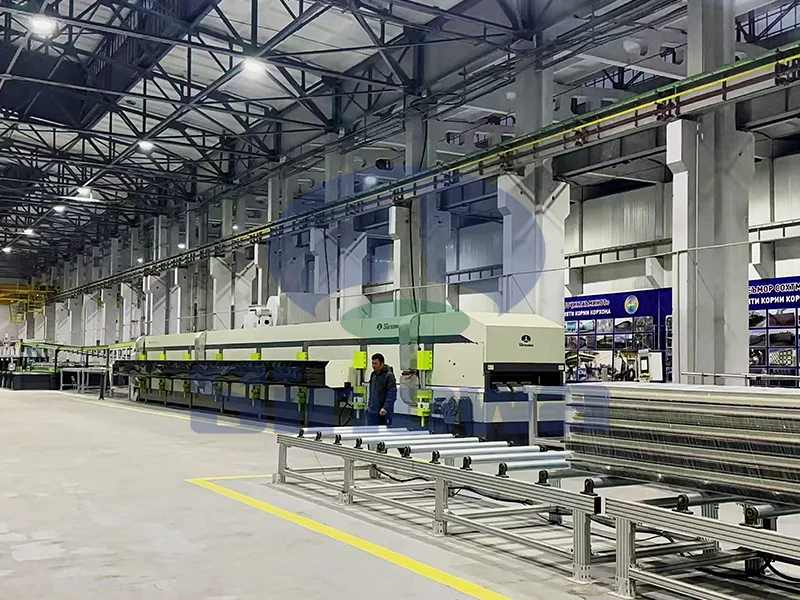
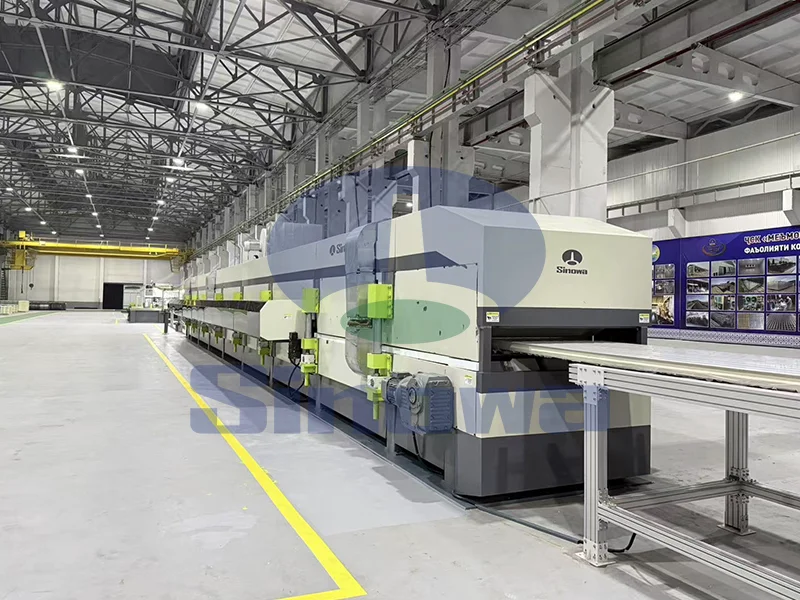
The core integration and laminating section represents the heart of the machinery’s structure, where the insulation or structural core is precisely positioned between the two prepared facings and compressed under controlled pressure and temperature to form a unified composite panel. For foam-core panels, this section includes a high-precision foaming and injection system that meters, mixes, and dispenses liquid foam materials, which expand and cure in situ to fill the cavity between the facings completely, creating a seamless, thermally efficient core. For rigid core panels such as mineral wool, expanded polystyrene (EPS), or phenolic foam boards, the module features automated positioning arms and alignment guides to place pre-cut core blocks accurately, preventing gaps or misalignment that would weaken the panel’s structural or insulating performance. The double-belt laminator, a key structural element, applies consistent, uniform pressure across the entire panel surface during bonding, ensuring even core density, tight layer adhesion, and flat panel dimensions; this system is equipped with temperature control units to optimize curing conditions for different core materials, accelerating bonding without compromising material properties. Downstream, the curing chamber maintains stable environmental conditions to complete the cross-linking or hardening process of adhesives and core materials, locking in the panel’s structural shape and performance characteristics, while the precision cutting unit trims the continuous panel strip to custom lengths with minimal waste, delivering finished panels that meet strict dimensional tolerances.
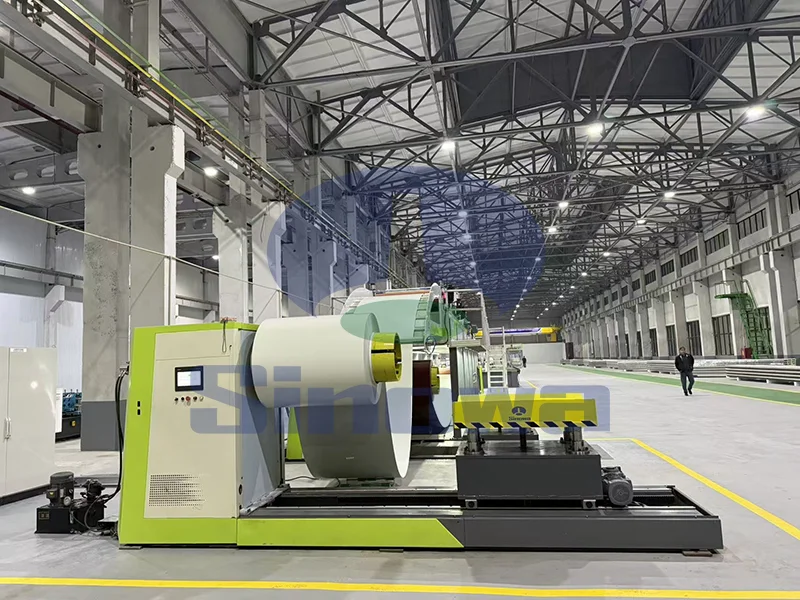
Performance is a defining attribute of sandwich panel production machinery, encompassing production speed, dimensional accuracy, material compatibility, operational stability, and energy efficiency, all of which directly impact a manufacturer’s productivity and product competitiveness. Production speed varies significantly based on machinery type and configuration, with high-capacity continuous lines operating at speeds ranging from several meters to over fifteen meters per minute, enabling large-scale output to meet bulk order demands, while semi-continuous or discontinuous models operate at lower speeds for small-batch, custom production runs. Dimensional accuracy is paramount, with top-tier machinery achieving tight tolerances for panel thickness, width, and length, ensuring seamless fitting during on-site installation and reducing the need for on-site modifications. Material compatibility is another critical performance metric, as modern machinery is engineered to process a wide range of facing materials—from thin metal sheets to fiber cement and composite boards—and core materials, including flexible foams, rigid mineral fibers, and lightweight honeycomb structures, without requiring extensive retooling. Operational stability is upheld through robust drive systems, automated control modules, and real-time monitoring sensors that detect and correct deviations in speed, pressure, temperature, or material positioning, minimizing downtime and reducing the risk of defective panels. Energy efficiency is also a key performance focus, with optimized heating systems, variable-frequency drives, and low-friction mechanical components cutting power consumption during continuous operation, lowering long-term operational costs for manufacturers.
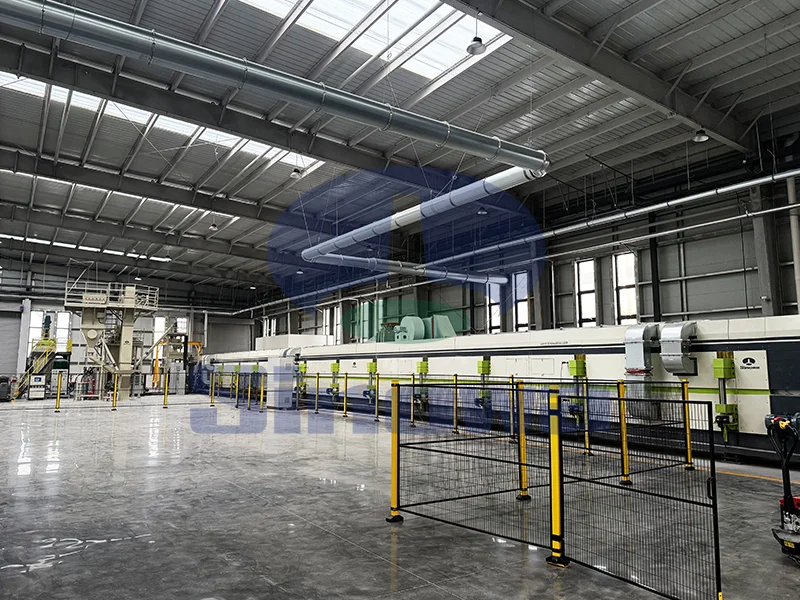
Sandwich panel production machinery is categorized into distinct types based on production mode, core material compatibility, and application specificity, each designed to address unique manufacturing needs and market segments. The most prominent classification is between continuous production lines and discontinuous (batch-type) production machinery, each with distinct structural and performance traits. Continuous production lines are fully automated, integrated systems that process raw materials into finished panels in a single, uninterrupted flow, offering unmatched production efficiency, consistent panel quality, and high output volumes; these lines are ideal for large-scale manufacturers focused on mass production of standard panels for widespread industrial and construction use, with modular designs that allow for upgrades to accommodate new materials or panel specifications. Discontinuous machinery, by contrast, operates in batch cycles, with separate stations for each processing step, offering greater flexibility for small-batch production, custom panel sizes, and specialized panel designs; this type is well-suited for small to medium-sized manufacturers or those producing niche panels with unique performance requirements, as it requires less factory floor space and lower initial setup investment compared to continuous lines.
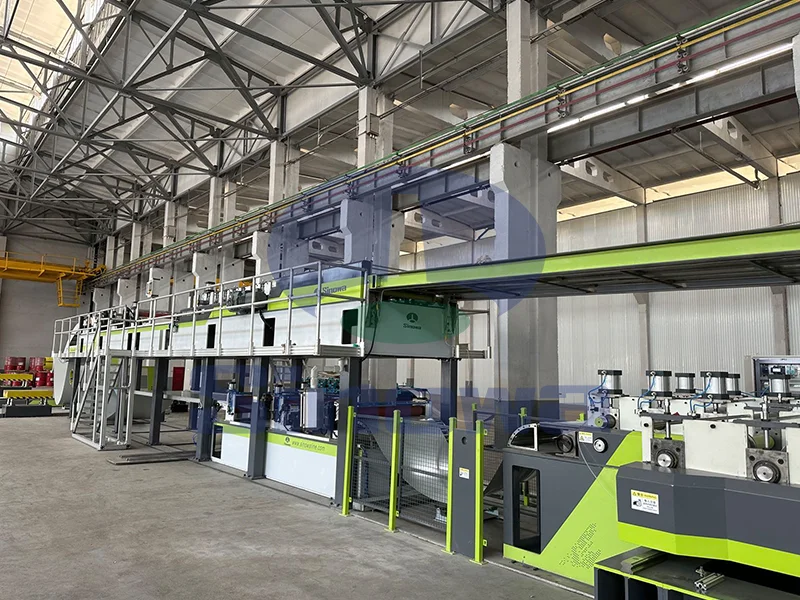
Machinery is also classified by the type of core material it is engineered to process, with specialized configurations for foam core (PU/PIR/Phenolic), mineral wool core, EPS core, and honeycomb core panels, each featuring tailored structural components to handle material-specific processing needs. Foam core sandwich panel machinery is equipped with advanced high-pressure foaming systems, precise chemical metering units, and temperature-controlled curing zones to manage the expansion and curing of liquid foam materials, producing panels with exceptional thermal insulation and airtightness; these machines are optimized for uniform foam distribution, preventing voids or uneven density that would compromise insulation performance. Mineral wool core panel machinery features reinforced handling systems, precision core cutting modules, and high-pressure laminating units to accommodate the rigid, brittle nature of mineral wool, ensuring intact core placement and strong bonding with metal facings, while also incorporating dust extraction systems to maintain a clean operating environment. EPS core panel machinery is designed for lightweight, cost-effective production, with simplified core positioning and low-pressure laminating systems that preserve the cellular structure of EPS, delivering panels with good insulation and structural strength at a lower production cost. Honeycomb core panel machinery, a specialized variant, features delicate core handling and precision alignment systems to protect the lightweight, fragile honeycomb structure, producing ultra-lightweight panels with high strength-to-weight ratios for specialized applications.
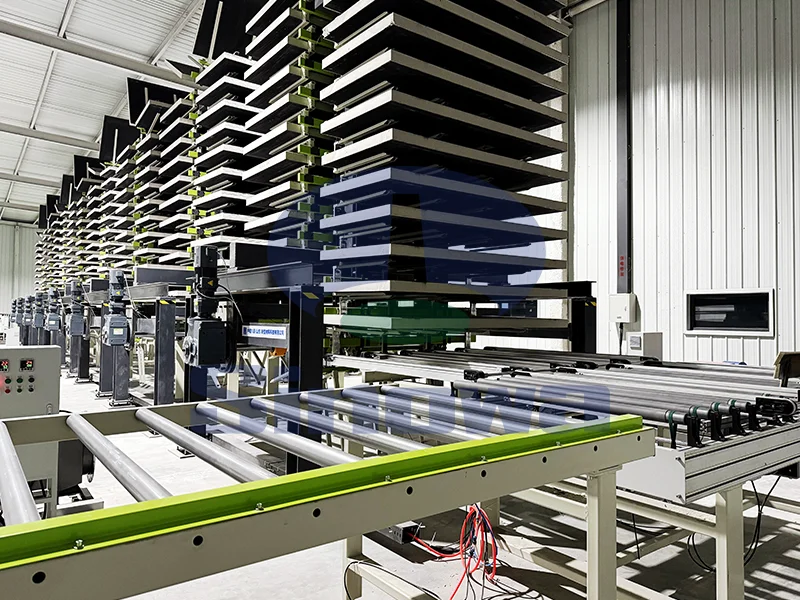
Additional specialized types include roll forming integrated machinery, cold storage panel-specific machinery, and decorative sandwich panel machinery, each refined for targeted use cases. Roll forming integrated machinery combines the panel production process with in-line profile rolling, creating structurally enhanced panels with reinforced ribs or custom contours for roofing and wall cladding applications, boosting load-bearing capacity and weather resistance. Cold storage panel-specific machinery is engineered to produce panels with ultra-high thermal resistance, featuring enhanced foaming systems, thicker core compatibility, and airtight edge forming to minimize thermal bridging, critical for maintaining stable low-temperature environments in cold chain facilities. Decorative sandwich panel machinery includes surface embossing, coating, and finishing modules, adding aesthetic textures or protective finishes to the outer facings, expanding the panels’ use in architectural and interior design applications where visual appeal complements functional performance.
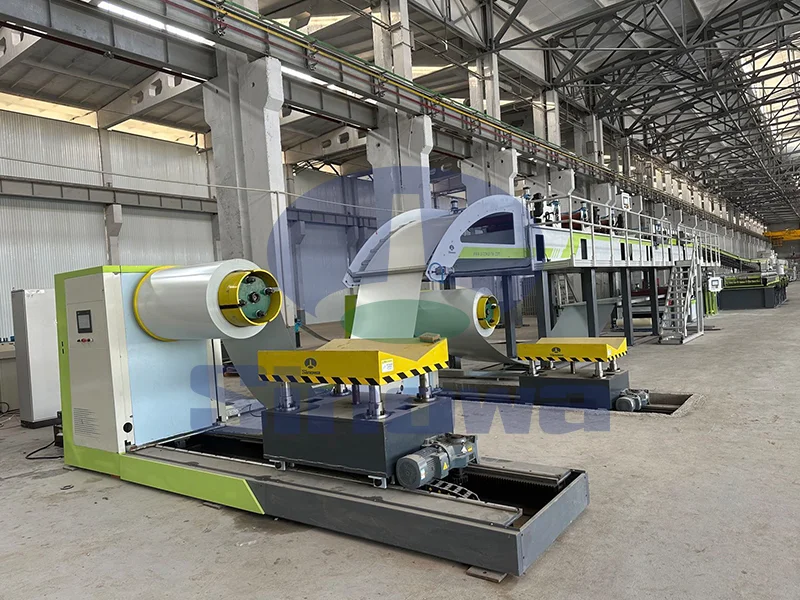
The versatility of sandwich panel production machinery translates to a vast array of real-world applications across global industries, driven by the unique properties of the panels it manufactures—lightweight construction, thermal efficiency, sound insulation, fire resistance, and quick installability. In the construction industry, these machines produce panels that dominate the market for industrial warehouses, factory buildings, commercial complexes, and prefabricated structures, replacing traditional building materials to accelerate construction timelines, reduce structural load, and improve energy efficiency; wall and roof panels made by this machinery provide reliable weather protection, thermal insulation, and structural support, while also offering design flexibility for modern architectural projects. For the cold chain and refrigeration sector, the machinery fabricates high-insulation cold room panels, freezer warehouse panels, and refrigerated container linings, which are indispensable for food storage, pharmaceutical preservation, and temperature-sensitive logistics, maintaining consistent low temperatures and reducing energy consumption for cooling systems.
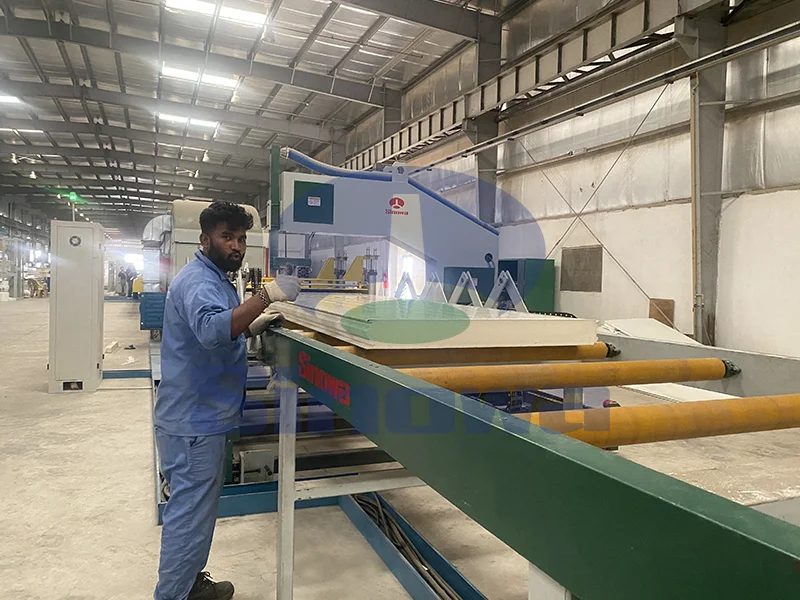
In the transportation industry, sandwich panel production machinery creates lightweight, durable panels used in the bodywork of refrigerated trucks, vans, trailers, and marine vessels, where weight reduction improves fuel efficiency without sacrificing structural strength or insulation performance; these panels also resist corrosion and impact, extending the service life of transportation assets in harsh operating conditions. Agricultural applications include livestock barns, grain storage facilities, and greenhouse structures, with panels produced by the machinery offering thermal regulation, moisture resistance, and easy cleaning, creating optimal growing and breeding environments while lowering maintenance costs. Industrial applications extend to clean rooms, soundproof enclosures, and fire-resistant partition walls, with specialized machinery producing panels that meet strict hygiene, noise reduction, and fire safety standards for manufacturing facilities, laboratories, and healthcare settings.
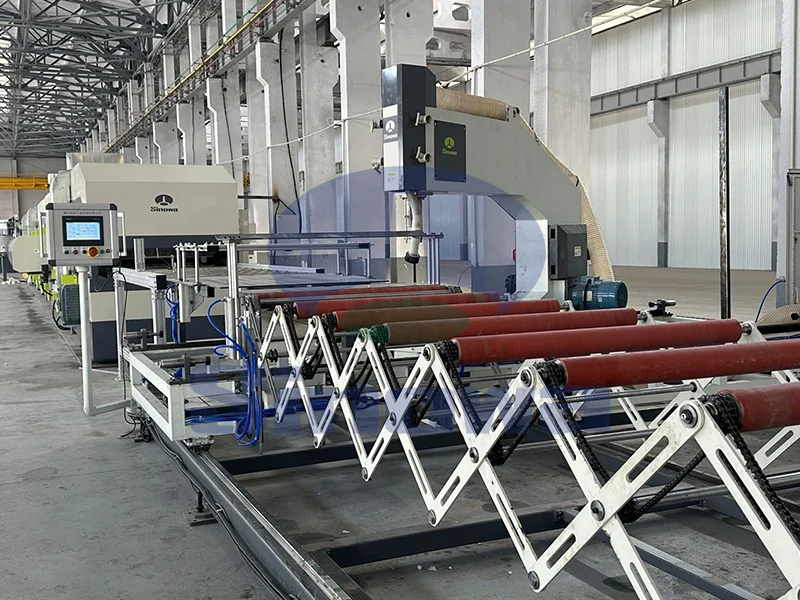
Beyond these core sectors, the adaptability of modern sandwich panel production machinery continues to unlock new applications, from residential energy-efficient building components to temporary emergency shelters and modular infrastructure projects. As demand for sustainable, high-performance building materials grows, the machinery is evolving with enhanced automation, smarter control systems, and greater material flexibility, enabling manufacturers to produce panels that meet stricter environmental and performance standards. The structural robustness, reliable performance, and diverse typology of this production equipment not only support the mass production of essential composite panels but also drive innovation across industries, making it an indispensable part of the global manufacturing and construction landscape. Whether for large-scale industrial projects or niche specialized applications, sandwich panel production machinery remains a vital link between material science and real-world functionality, delivering products that enhance efficiency, durability, and sustainability across countless sectors.
« Sandwich Panel Production Machinery » Update Date: 2026/4/15
URL: https://m.sinowa.cn/blog/sandwich-panel-production-machinery.html
High Efficiency Sandwich Panel Production Machinery
2024-01-10High-end Sandwich Panel Production Machinery
2024-01-10Low Price Sandwich Panel Production Machinery
2024-01-10Sandwich Panel Production Machinery Supplier
2024-01-10Sandwich Panel Production Machinery Price
2024-01-10Sandwich Panel Production Machinery Material
2024-01-10Sandwich Panel Production Machinery Manufacturer
2024-01-10Sandwich Panel Production Machinery From China
2024-01-10Sandwich Panel Production Machinery For Sale
2024-01-10Sandwich Panel Production Machinery For Roof
2024-01-10
A pu sandwich panel line stands as a highly efficient and automated production solution dedicated to manufacturing high-performance insulated panels, playing a vital role in modern construction and industrial engineering sectors. This integrated production system streamlines the entire manufacturing process, starting with the uncoiling and leveling of outer facing materials, which are carefully treated to ensure flat, smooth surfaces free of defects and suitable for subsequent bonding. Next comes the core production step: precise mixing and uniform distribution of polyurethane raw materials, where specialized equipment controls the ratio and flow rate strictly to guarantee consistent foam density and stable bonding performance between the core and facings. The pu sandwich panel machine features a controlled curing and forming system that maintains stable temperature and pressure conditions, allowing the polyurethane foam to fully expand, solidify and bond tightly with the upper and lower layers, forming a rigid, durable sandwich structure. Post-forming, the panels go through accurate cutting and finishing processes to meet diverse size specifications demanded by different projects. Designed for continuous operation, this pu sandwich panel production line boosts manufacturing efficiency remarkably while ensuring uniform product quality across batches, reducing manual errors and material waste effectively. The finished PU sandwich panels deliver outstanding thermal insulation, sound absorption and structural strength, making them widely applicable in building roofs, walls, cold storage facilities and industrial workshops, adapting to various environmental and functional needs with reliable performance and long service life.