- Home
- Sandwich Panel Line
- Roll Forming Machine
- CZ Purlin Roll Forming Machine
- Door Window Curtain Partition Roll Forming Machine
- Gutter Roll Forming Machine
- Clean Partition Panel Machine
- Corrugated Panel Roll Forming Machine
- Double Layer Roof Roll Forming Machine
- High Speed Keel Roll Forming Machine
- Light Steel-Frame Structure Production Line
- C Channel Roll Forming Machine
- Insulated Panels
- Steel Profiles
- About
- Contact
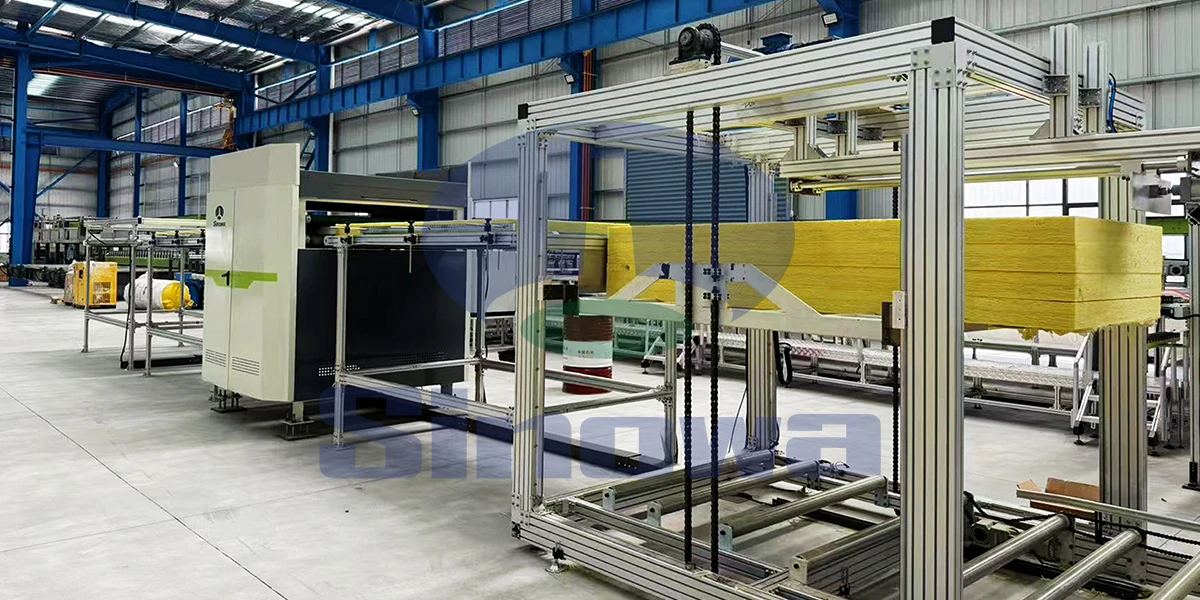
Rockwool Sandwich Panel Production Line
Sinowa is a supplier and manufacturer of Rockwool Sandwich Panel Production Line in china, customization on demand width a reasonable price.
In the modern construction and industrial manufacturing sectors, insulated building materials have become indispensable for balancing structural stability, energy efficiency, and safety, and rockwool sandwich panels stand out as a premium choice among such materials. The production line dedicated to manufacturing these panels is a sophisticated, automated system that integrates multiple processing technologies, enabling the mass production of high-quality, consistent rockwool sandwich panels that meet diverse engineering demands.
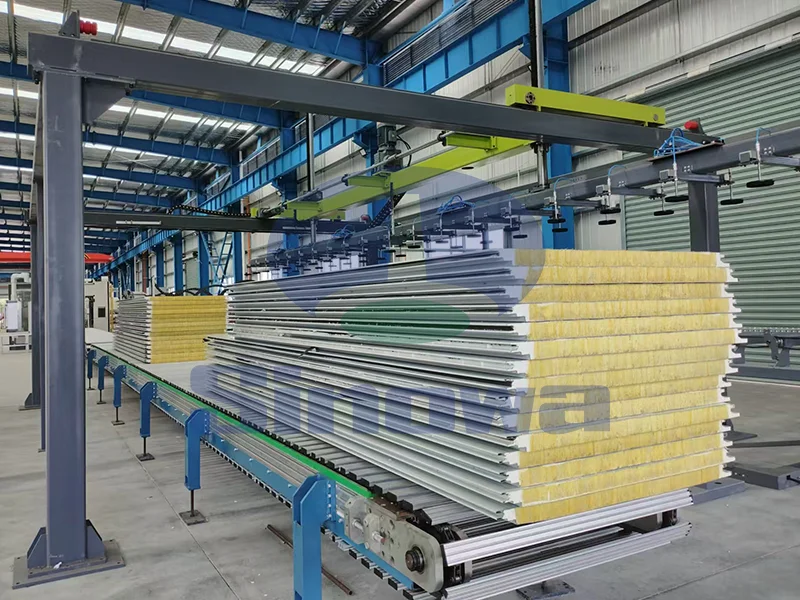
To begin with, the fundamental structure of rockwool sandwich panels is the cornerstone of their exceptional performance, and the production line is meticulously designed to shape and assemble this layered structure with precision. A standard rockwool sandwich panel features a three-layer composite design: a dense, inorganic rockwool core sandwiched between two rigid facing sheets, typically made of corrosion-resistant metal. The production line orchestrates every step of forming this structure, starting with the pretreatment of the facing materials. The metal facings undergo processes such as uncoiling, leveling, and surface cleaning to remove impurities and ensure smooth, uniform surfaces, which lays the groundwork for secure bonding with the core layer. Following pretreatment, the facings are shaped into specific profiles—either flat for wall applications or corrugated for enhanced load-bearing capacity in roofing—via automated rolling and forming machines integrated into the production line.
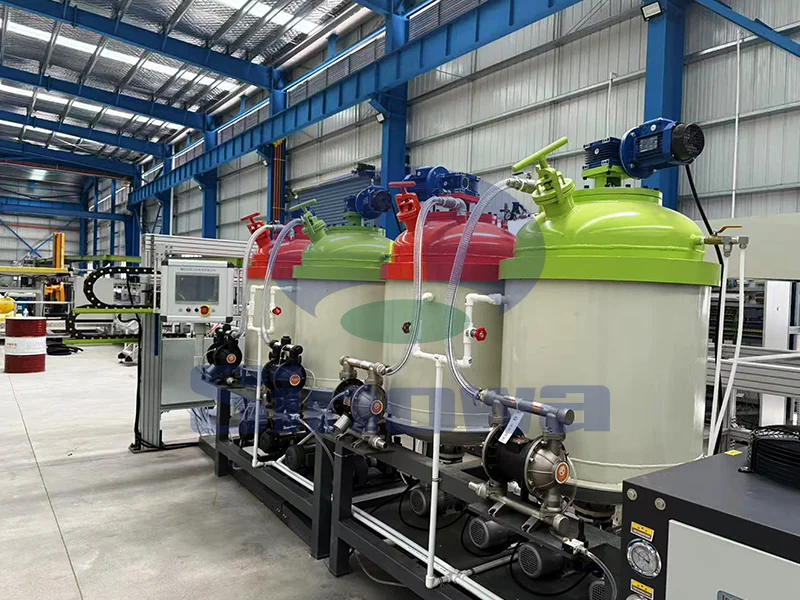
The core layer, composed of rockwool (mineral wool made from natural volcanic rock and other inorganic raw materials), is processed and cut to precise dimensions within the production line before being bonded to the facings. Advanced adhesive application systems on the line evenly coat the contact surfaces of both the rockwool core and the metal facings, ensuring a strong, durable bond that eliminates gaps and delamination risks. The production line then employs a continuous pressing and curing process, applying controlled pressure and temperature to fuse the three layers into a single, integrated panel. This seamless assembly process, overseen by automated monitoring and adjustment systems, guarantees that each panel maintains uniform thickness, consistent density, and stable structural integrity across its entire surface. Beyond the basic three-layer structure, some specialized panels feature additional edge-sealing layers or reinforced ribs, and the production line is adaptable to incorporate these modifications, catering to customized structural requirements without compromising production efficiency.
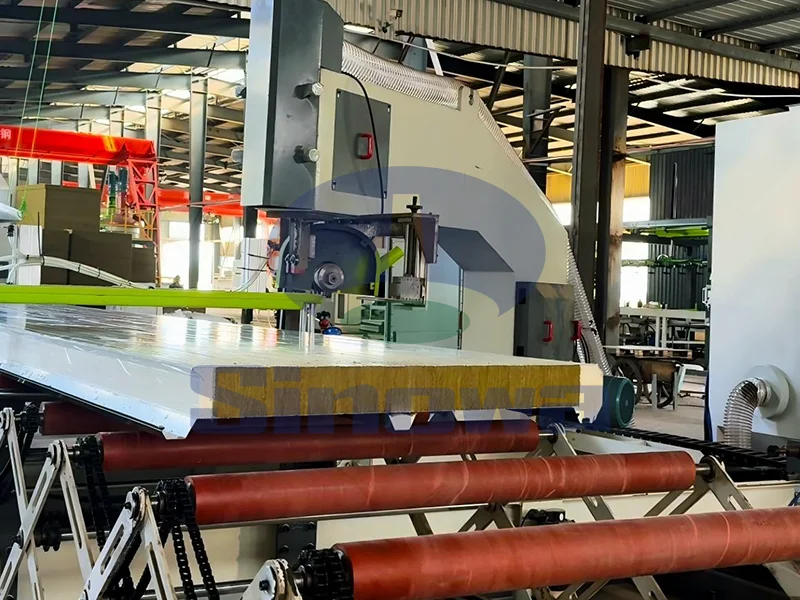
The structural design of the rockwool sandwich panel, perfected through the automated production line, directly translates into a suite of outstanding performance characteristics that set it apart from conventional building materials. First and foremost is its unparalleled fire resistance, a defining trait rooted in the inorganic, non-combustible nature of the rockwool core. Unlike organic insulation materials that melt, drip, or release toxic fumes when exposed to high temperatures, rockwool can withstand extreme heat without ignition, effectively blocking the spread of flames and maintaining structural stability for extended periods in fire scenarios. This fire-resistant performance is further enhanced by the dense fiber structure of the rockwool core, which traps air and slows heat transfer, acting as a reliable fire barrier for buildings of all types.
Thermal insulation is another key performance metric where rockwool sandwich panels excel, making them a cornerstone of energy-efficient construction. The porous, fibrous microstructure of the rockwool core creates numerous air pockets that impede the conduction, convection, and radiation of heat, resulting in a low thermal conductivity rate. This means the panels can effectively isolate indoor spaces from external temperature fluctuations, keeping interiors cool in hot weather and warm in cold conditions. By reducing heat gain or loss through building envelopes, these panels significantly lower the energy consumption of heating, ventilation, and air conditioning (HVAC) systems, aligning with global trends toward sustainable, low-carbon building practices. The production line plays a vital role in preserving this thermal performance by ensuring the rockwool core retains its optimal density and porosity, avoiding compression or damage that could compromise insulation efficiency.
Acoustic insulation is a third critical performance feature, driven by the sound-absorbing properties of the rockwool core. The tangled, fibrous structure of rockwool absorbs sound waves and reduces sound transmission through walls, roofs, and partitions, effectively mitigating both airborne noise (such as traffic, machinery, or human voices) and impact noise. This makes rockwool sandwich panels ideal for environments where quiet and comfort are prioritized, from industrial workshops with heavy machinery to residential and commercial spaces requiring noise reduction. Additionally, the panels boast excellent mechanical strength and durability: the metal facings provide robust surface protection against physical impact, weathering, and corrosion, while the bonded core adds compressive and flexural strength, enabling the panels to withstand wind loads, snow loads, and minor structural stresses over long service lives. They also exhibit strong moisture resistance, with the hydrophobic treatment of the rockwool core preventing water absorption and mold growth, preserving structural integrity even in humid or damp environments.
The versatility of rockwool sandwich panels is further reflected in the wide range of varieties produced by the adaptable production line, each engineered to suit specific application scenarios and performance needs. These varieties are primarily differentiated by panel thickness, facing material, core density, profile design, and functional enhancements, allowing for tailored solutions across residential, commercial, industrial, and specialized construction projects. One of the most common classifications is based on application purpose, dividing panels into wall panels and roof panels. Wall panels typically feature flat, smooth facings and moderate thickness, prioritizing aesthetic appeal, fire resistance, and thermal insulation for exterior and interior building walls. Roof panels, by contrast, are designed with corrugated or ribbed profiles to enhance load-bearing capacity and water drainage, with increased thickness and core density to withstand environmental stresses like heavy snow, strong winds, and UV radiation.
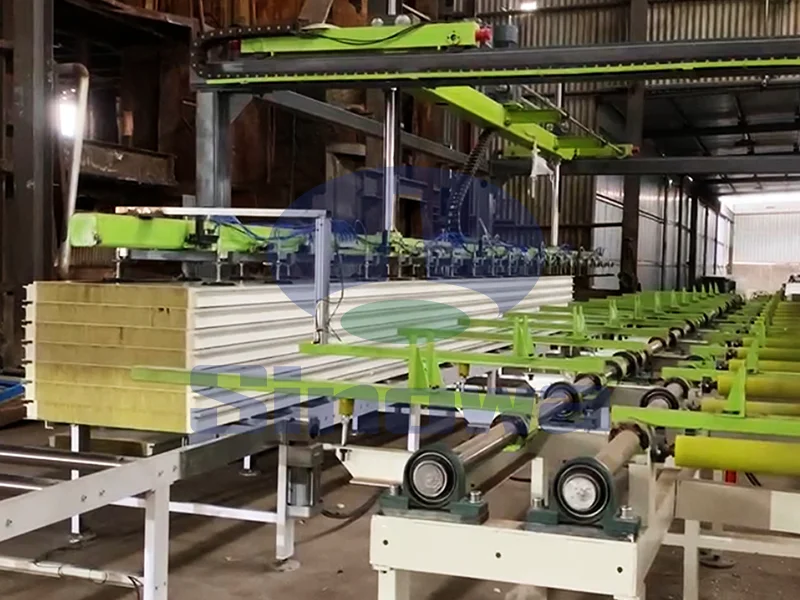
Varieties can also be categorized by core density, which directly impacts performance levels. Standard-density rockwool sandwich panels are suitable for general construction projects, offering a balanced mix of thermal insulation, fire resistance, and cost-effectiveness for everyday building needs. High-density core panels, produced by adjusting the compaction process on the production line, deliver enhanced mechanical strength, superior fire resistance, and improved acoustic insulation, making them ideal for high-safety, high-performance environments such as industrial facilities, public venues, and fire-risk zones. Another classification is based on facing material, with options including galvanized steel, aluminum-zinc alloy steel, and colored coated steel. Galvanized steel facings offer exceptional corrosion resistance for harsh outdoor environments, while colored coated steel facings add aesthetic versatility, available in a spectrum of hues to match architectural designs without sacrificing durability.
Specialized varieties of rockwool sandwich panels cater to niche applications, further expanding their utility. Acoustic-optimized panels feature micro-perforated metal facings paired with high-density rockwool cores, maximizing sound absorption for noise-critical spaces like recording studios, conference halls, and manufacturing plants with loud machinery. Moisture-resistant panels undergo additional hydrophobic treatment during production, making them perfect for humid environments such as cold storage facilities, food processing plants, and agricultural greenhouses. Reinforced edge panels, with sealed or reinforced panel edges, address joint stability and thermal bridging issues, enhancing overall airtightness and structural performance for large-scale industrial warehouses and commercial complexes. The modular design of the production line allows for seamless switching between these varieties, with quick adjustments to forming tools, adhesive application rates, and curing parameters, ensuring efficient production of customized panels without lengthy downtime.
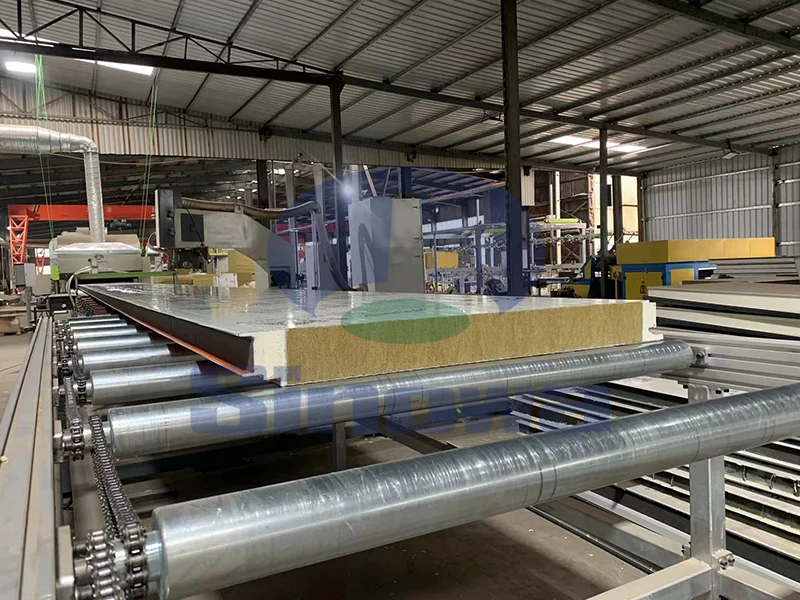
The exceptional structure, performance, and diverse varieties of rockwool sandwich panels have led to their extensive adoption across countless industries and construction projects, solidifying their status as a versatile, reliable building material. In the industrial sector, they are the preferred choice for constructing factories, warehouses, workshops, and logistics centers. These industrial buildings demand materials that combine high structural strength, fire safety, and thermal efficiency, and rockwool sandwich panels meet all these criteria: they enable rapid construction, reduce long-term energy costs, and provide a safe working environment by mitigating fire and noise risks. Their lightweight yet durable nature also reduces the load on building frameworks, simplifying structural design and lowering overall construction costs.
Commercial construction is another major application area, with rockwool sandwich panels used in shopping malls, office buildings, hotels, schools, hospitals, and sports venues. For public and commercial spaces, safety, comfort, and aesthetics are paramount, and the panels deliver on all fronts: their fire-resistant properties protect large crowds of people, their acoustic insulation creates quiet, comfortable indoor environments, and customizable facing colors and profiles align with modern architectural aesthetics. In healthcare and educational facilities, where hygiene and quiet are essential, the panels’ mold resistance, easy cleanability, and sound-dampening performance make them an ideal selection for interior partitions, wall cladding, and ceiling systems.
Specialized industrial and logistical facilities rely heavily on rockwool sandwich panels for their unique performance attributes. Cold storage and refrigerated warehouses, which require consistent low temperatures and minimal heat transfer, depend on the panels’ superior thermal insulation to maintain stable internal climates, reducing energy consumption for refrigeration and preserving perishable goods like food, pharmaceuticals, and agricultural products. Cleanrooms in electronics manufacturing, pharmaceutical production, and biotechnology labs benefit from the panels’ smooth, non-porous surfaces and dust-resistant properties, which help maintain sterile, controlled environments free from contaminants. Additionally, the panels are widely used in temporary construction projects, such as prefabricated houses, emergency shelters, and construction site offices, thanks to their lightweight design, easy transportation, and quick installation capabilities, providing durable, safe temporary spaces in a fraction of the time required for traditional construction.
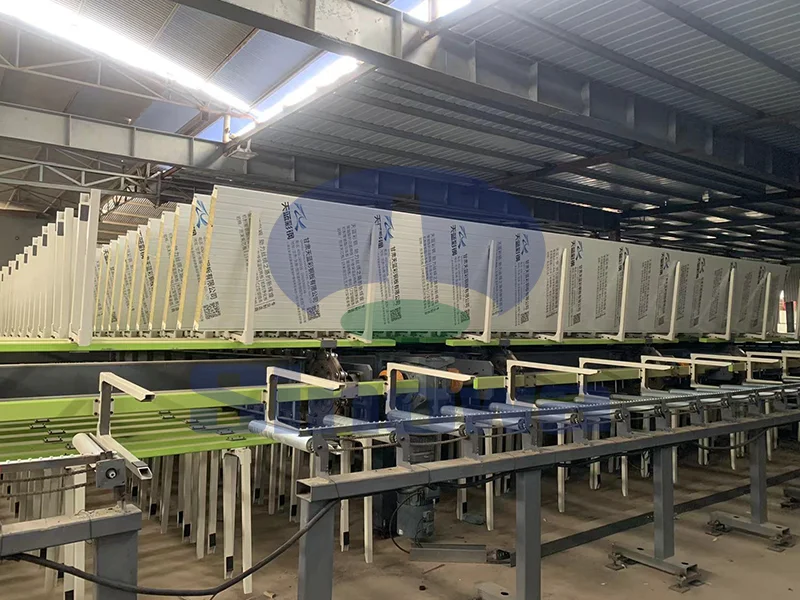
Beyond traditional construction, rockwool sandwich panels find innovative applications in agricultural and infrastructure projects. Agricultural greenhouses use the panels to regulate internal temperatures, protecting crops from extreme weather and creating optimal growing conditions, while livestock barns benefit from their thermal and acoustic insulation, improving animal welfare and reducing stress. In infrastructure projects, the panels are used for sound barriers along highways and railways, absorbing traffic noise to minimize disruption to nearby residential areas, and as protective cladding for industrial pipelines and storage tanks, enhancing fire safety and thermal stability. As sustainable building practices gain global traction, the eco-friendly profile of rockwool sandwich panels—made from natural, recyclable inorganic materials with minimal environmental impact—further boosts their appeal, aligning with green building standards and reducing the carbon footprint of construction projects.
In conclusion, the rockwool sandwich panel production line is a sophisticated engineering system that transforms raw materials into high-performance, multi-functional building components, with the panels’ layered structure, outstanding performance, diverse varieties, and wide-ranging applications collectively driving their dominance in the modern construction industry. The production line’s precision and adaptability ensure consistent quality and customization, while the panels themselves address critical construction needs: fire safety, energy efficiency, acoustic comfort, structural durability, and design flexibility. From industrial warehouses and commercial complexes to specialized cold storage facilities and sustainable residential projects, rockwool sandwich panels continue to prove their value as a reliable, future-proof building material. As construction technology evolves and demand for high-performance, sustainable building solutions grows, the rockwool sandwich panel production line will continue to innovate, refining production processes and expanding product varieties to meet the ever-changing needs of the global construction market, reinforcing the pivotal role of these panels in shaping safe, efficient, and sustainable built environments.
« Rockwool Sandwich Panel Production Line » Update Date: 2026/4/14
URL: https://m.sinowa.cn/blog/rockwool-sandwich-panel-production-line.html
Rockwool Sandwich Panel Production Line From China
2026-07-10The continuous evolution of modern construction and industrial insulation industries has driven the rapid upgrading of composite panel manufacturing equipment, among which the rockwool sandwich panel production line devel…Rockwool Sandwich Panel Production Line Manufacturer
2026-04-09In the rapidly evolving landscape of modern construction and industrial manufacturing, the demand for high-performance, energy-efficient, and durable building materials has driven significant innovations in production tec…Rockwool Sandwich Panel Production Line Supplier
2026-03-13In the modern construction and industrial insulation sectors, rockwool sandwich panels have emerged as a cornerstone material, prized for their exceptional fire resistance, thermal insulation performance, sound absorption…Rockwool Sandwich Panel Production Line For Wall
2024-06-04Low Price Rockwool Sandwich Panel Production Line
2024-05-29Rockwool Sandwich Panel Production Line On Sales
2024-05-20Rockwool Sandwich Panel Production Line For Sale
2024-05-17Rockwool Sandwich Panel Production Line Price
2024-05-16High-end Rockwool Sandwich Panel Production Line
2024-05-15Rockwool Sandwich Panel Production Line For Roof
2024-05-10
A pu sandwich panel line stands as a highly efficient and automated production solution dedicated to manufacturing high-performance insulated panels, playing a vital role in modern construction and industrial engineering sectors. This integrated production system streamlines the entire manufacturing process, starting with the uncoiling and leveling of outer facing materials, which are carefully treated to ensure flat, smooth surfaces free of defects and suitable for subsequent bonding. Next comes the core production step: precise mixing and uniform distribution of polyurethane raw materials, where specialized equipment controls the ratio and flow rate strictly to guarantee consistent foam density and stable bonding performance between the core and facings. The pu sandwich panel machine features a controlled curing and forming system that maintains stable temperature and pressure conditions, allowing the polyurethane foam to fully expand, solidify and bond tightly with the upper and lower layers, forming a rigid, durable sandwich structure. Post-forming, the panels go through accurate cutting and finishing processes to meet diverse size specifications demanded by different projects. Designed for continuous operation, this pu sandwich panel production line boosts manufacturing efficiency remarkably while ensuring uniform product quality across batches, reducing manual errors and material waste effectively. The finished PU sandwich panels deliver outstanding thermal insulation, sound absorption and structural strength, making them widely applicable in building roofs, walls, cold storage facilities and industrial workshops, adapting to various environmental and functional needs with reliable performance and long service life.