- Home
- Sandwich Panel Line
- Roll Forming Machine
- CZ Purlin Roll Forming Machine
- Door Window Curtain Partition Roll Forming Machine
- Gutter Roll Forming Machine
- Clean Partition Panel Machine
- Corrugated Panel Roll Forming Machine
- Double Layer Roof Roll Forming Machine
- High Speed Keel Roll Forming Machine
- Light Steel-Frame Structure Production Line
- C Channel Roll Forming Machine
- Insulated Panels
- Steel Profiles
- About
- Contact
Sandwich Panel Line
Sinowa is a supplier and manufacturer of Sandwich Panel Line in china, customization on demand width a reasonable price.
Sandwich panel lines are specialized production systems designed to manufacture sandwich panels, a type of composite material consisting of two thin, rigid face sheets bonded to a lightweight core material. These production lines play a crucial role in various industries, as they enable the efficient, consistent manufacturing of panels that offer a unique combination of strength, light weight, insulation, and durability. The structure of a sandwich panel line is a carefully integrated assembly of components, each serving a specific function in the production process, while its performance is defined by the efficiency, precision, and reliability with which it can produce panels of varying specifications. The types of sandwich panel lines are diverse, tailored to different production needs, core materials, and end applications, and their uses span multiple sectors, from construction and cold storage to aerospace and automotive manufacturing.
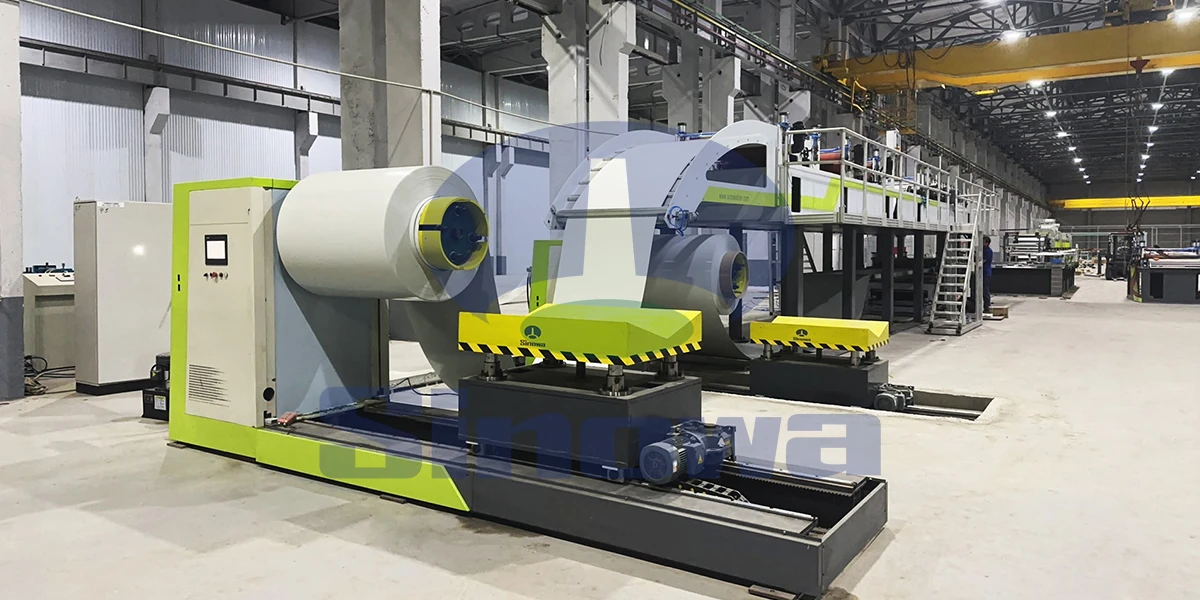
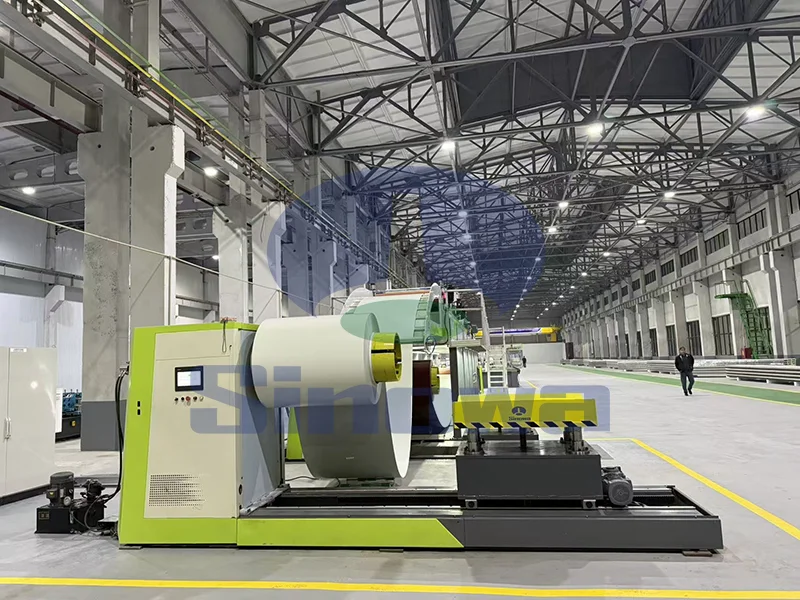
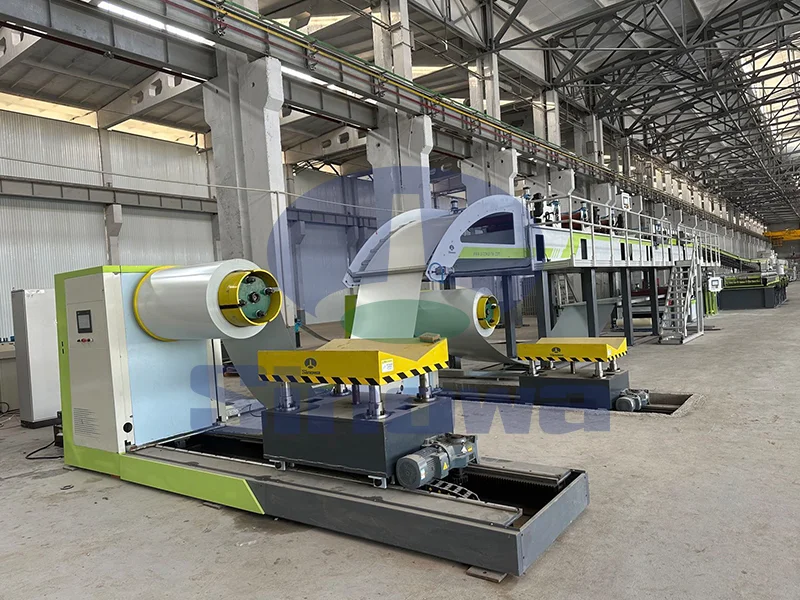
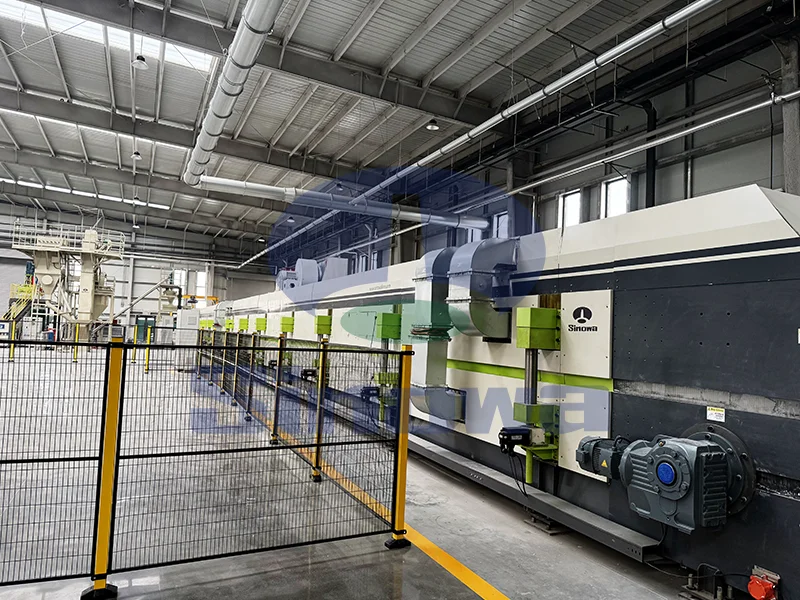
The structure of a sandwich panel line is composed of several key components that work together in a sequential manner to transform raw materials into finished sandwich panels. At the start of the line, there are uncoiling units, which hold and feed the roll-shaped face sheet materials—typically metal sheets such as steel or aluminum—into the production process. These uncoiling units are equipped with tension control systems to ensure the face sheets are fed smoothly and evenly, preventing wrinkles or misalignment that could affect the quality of the final panel. Following the uncoiling units, there are roll forming machines, which shape the face sheets into the desired profile through a series of gradual cold-forming processes. The roll forming section often includes upper and lower forming groups that work in tandem to create consistent, precise profiles, and may also feature pre-heaters to warm the metal sheets to the optimal temperature for bonding with the core material. Some lines also include corona treatment units, which increase the wettability of the face sheets and eliminate static electricity, ensuring better adhesion between the face sheets and the core.
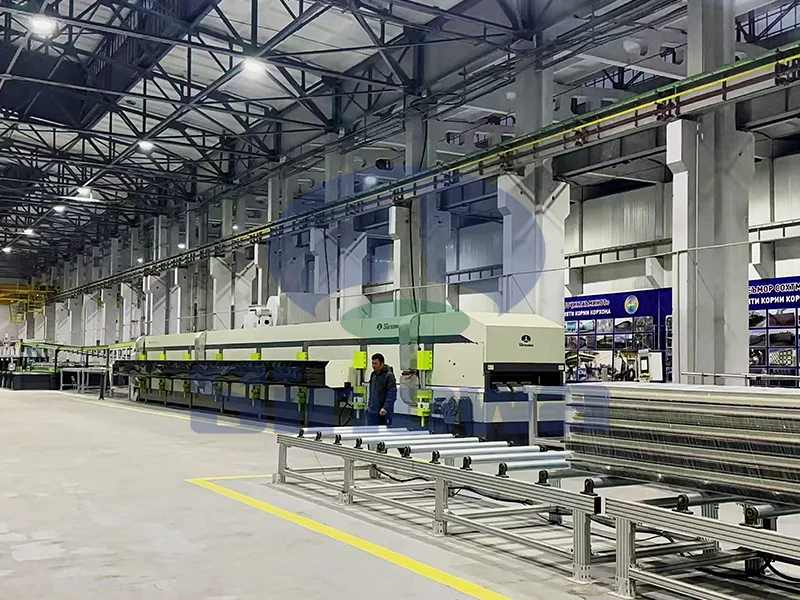
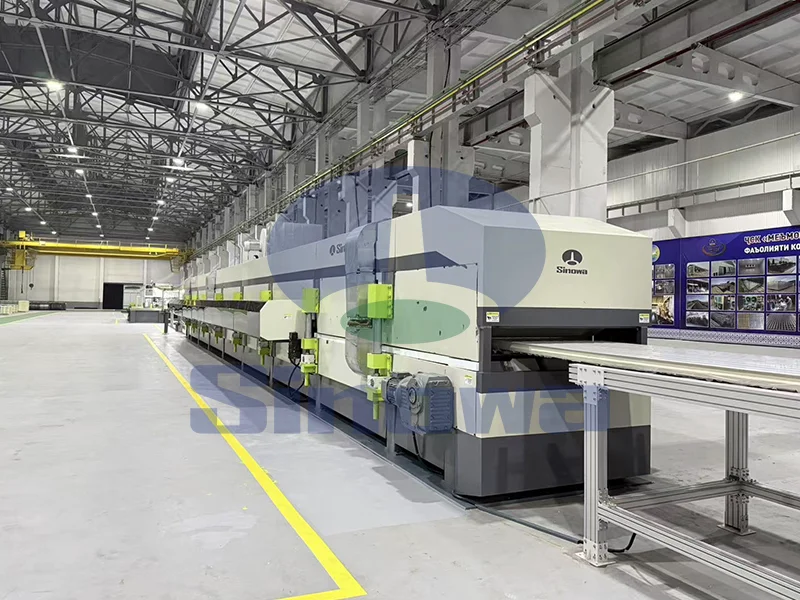
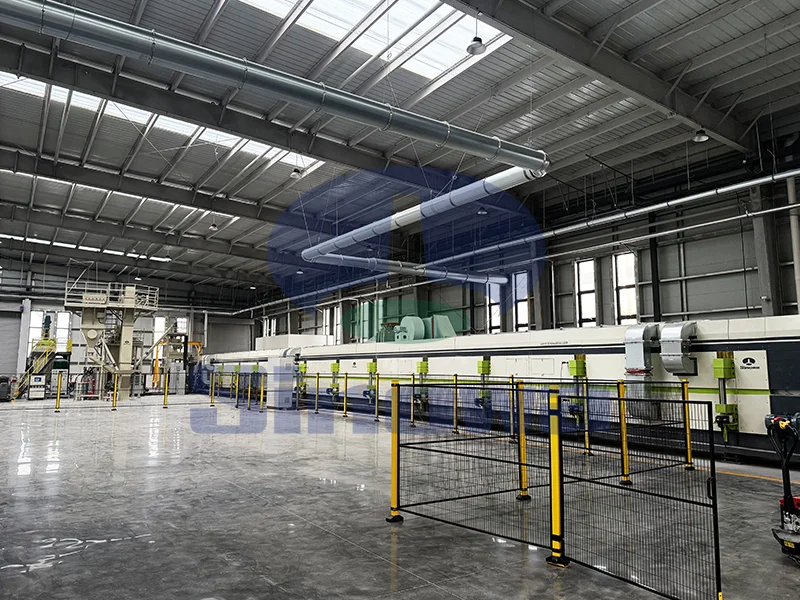
After the face sheets are formed, they move to the foaming and bonding section, which is the heart of the sandwich panel line. This section includes a dosing unit that accurately mixes the core material components—such as polyurethane (PU), polyisocyanurate (PIR), mineral wool, or expanded polystyrene (EPS)—and injects the mixture between the two face sheets. For foam-based cores like PU or PIR, the dosing unit uses high-pressure impingement mixers to ensure a homogeneous mixture with consistent density and physical properties. The foaming process is followed by a double belt press, which consists of two parallel conveyors that apply controlled heat and pressure to the panel assembly. This press ensures that the foam core expands uniformly, bonds securely to the face sheets, and cures properly, resulting in a flat, smooth panel with consistent thickness and structural integrity. The double belt press is often equipped with independent heating and insulation systems to maintain the optimal temperature for foam curing, and its speed can be adjusted to match the foaming and curing time of different core materials.
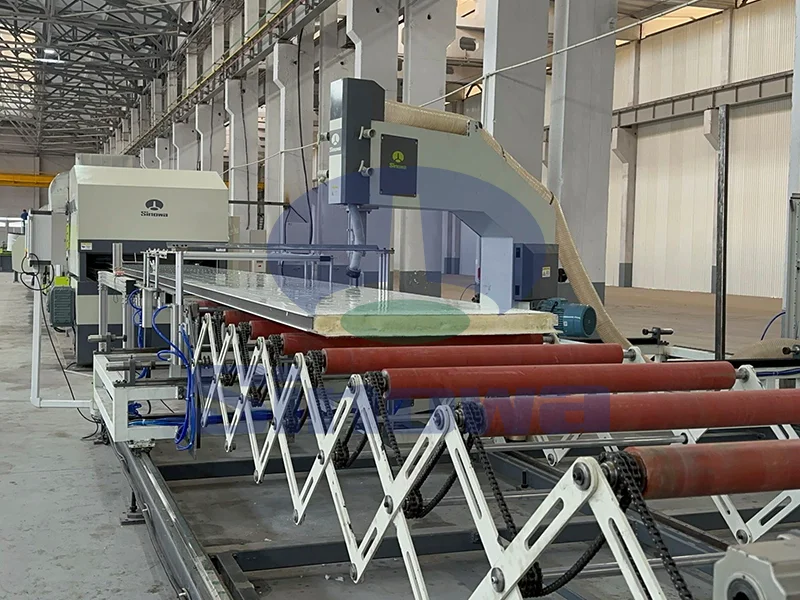
Once the core material has cured, the panel moves to the cutting section, where it is cut to the desired length using automated cutting machines. These machines may feature band saws or disk blades, and some are equipped with 180-degree rotating mechanisms to allow for precise cutting even at high line speeds, enabling the production of panels of varying lengths without interrupting the continuous production process. After cutting, the panels are transferred to a handling system, which may include cooling stations to allow the foam core to cool slowly and stabilize, turning stations to flip the panels for inspection or further processing, and wrapping machines to protect the finished panels during storage and transportation. Additional optional components may include punching or embossing units to add holes or decorative patterns to the face sheets, and quality control systems to monitor the thickness, density, and bond strength of the panels throughout the production process.
The performance of a sandwich panel line is determined by several key factors, including production speed, quality consistency, precision, flexibility, and energy efficiency. Production speed refers to the amount of panel material the line can produce per unit of time, which varies depending on the type of line (continuous or discontinuous) and the core material being used. Continuous lines are capable of high-speed production, often producing thousands of square meters of panels per shift, while discontinuous lines, which produce panels in batches, have lower production speeds but offer greater flexibility for small-scale or custom production. Quality consistency is another critical performance metric, as it ensures that each panel produced meets the same specifications for thickness, density, bond strength, and surface finish. Continuous lines, with their automated processes and minimal manual intervention, typically offer higher quality consistency than discontinuous lines, where human error can lead to variations in panel quality.
Precision is essential in sandwich panel production, as even small variations in panel thickness or core density can affect the structural performance and insulation properties of the final product. Modern sandwich panel lines are equipped with advanced control systems that monitor and adjust key parameters—such as temperature, pressure, and material flow—throughout the production process, ensuring precise control over the panel dimensions and core properties. Flexibility refers to the line’s ability to produce panels of different sizes, thicknesses, and configurations, as well as to switch between different core materials or face sheet profiles. Some lines are designed for specialized production, while others are highly versatile, capable of adapting to changing production needs with minimal adjustments. Energy efficiency is also an important performance factor, as it affects the operational costs of the line. Many modern lines feature energy-saving technologies, such as efficient heating systems, variable speed drives, and waste recovery systems, which reduce energy consumption and environmental impact.
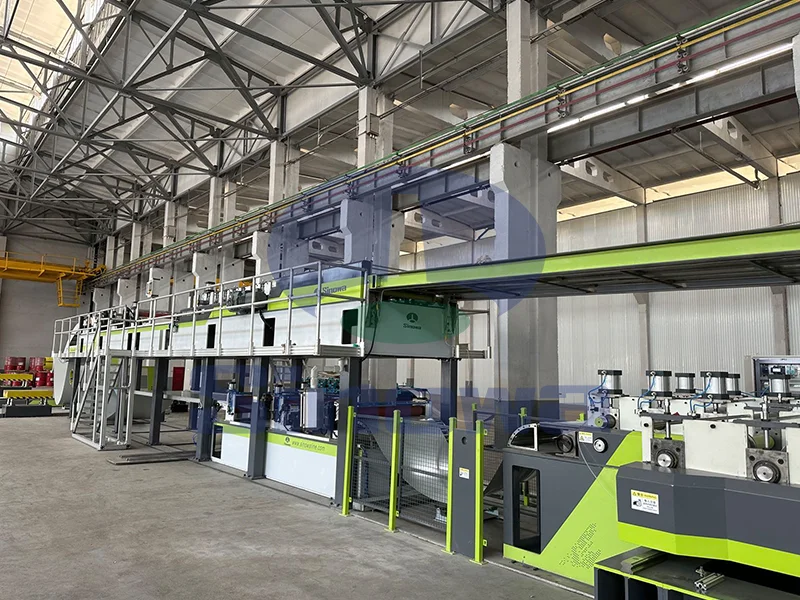
The durability and reliability of the sandwich panel line are also key performance considerations. The components of the line must be able to withstand the harsh conditions of industrial production, including high temperatures, pressure, and continuous operation. High-quality materials and robust construction ensure that the line can operate continuously for extended periods with minimal downtime, reducing maintenance costs and increasing overall productivity. Additionally, the line’s ability to handle different raw materials—such as various types of metal face sheets and core materials—without significant modifications is a measure of its performance flexibility, allowing manufacturers to adapt to changing market demands and customer requirements.
Sandwich panel lines can be classified into several types based on different criteria, including production method, core material, automation level, and end application. The most common classification is based on the production method, which divides lines into continuous and discontinuous (batch) lines. Continuous sandwich panel lines are fully automated systems that produce panels in a nonstop, streamlined process. From uncoiling and roll forming to foaming, curing, and cutting, every step is integrated and continuous, making these lines ideal for mass production of standardized panels. They offer high production speeds, consistent quality, and lower operational costs per panel over time, making them suitable for large-scale infrastructure projects, cold storage facilities, and industrial warehouses. However, continuous lines require a higher initial investment and are best suited for standardized panel dimensions, although many modern continuous lines can be customized to produce panels of varying thicknesses and lengths.
Discontinuous sandwich panel lines, on the other hand, produce panels in batches, with each panel being individually injected and pressed in a mold. The process involves loading and closing a mold, injecting the core material, allowing it to cure, and then opening the mold to demold the panel. This method is more labor-intensive and time-consuming than continuous production, resulting in lower production speeds and higher variability in panel quality. However, discontinuous lines offer greater flexibility for small-scale production, custom sizes, and specialized panel configurations, making them ideal for startups, emerging markets, or projects that require a small number of custom panels. They also have a lower initial capital investment, making them more accessible for businesses with limited resources.
Another common classification is based on the type of core material the line is designed to process. Different core materials require different processing technologies, so sandwich panel lines are often tailored to specific core types. For example, PU/PIR sandwich panel lines are equipped with high-pressure foaming units that mix and inject the two-component PU or PIR foam, as well as temperature-controlled curing systems to ensure proper foam expansion and bonding. Mineral wool sandwich panel lines, on the other hand, feature systems for cutting and positioning mineral wool sheets, as well as bonding systems that ensure the mineral wool core is securely attached to the face sheets. EPS sandwich panel lines use different foaming and curing processes to handle the expanded polystyrene core, while honeycomb sandwich panel lines are designed to process honeycomb cores, which are often used in high-strength, lightweight applications such as aerospace and automotive manufacturing.
Sandwich panel lines can also be classified based on their automation level, ranging from manual to fully automated. Manual lines require significant human intervention at every step of the production process, from feeding raw materials to demolding and cutting the panels. These lines are simple and low-cost but have low production speeds and high variability in quality. Semi-automated lines integrate some automated components, such as automated uncoiling or cutting, but still require manual intervention for key steps like foam injection or quality control. Fully automated lines, which are the most advanced, require minimal human intervention, with all processes controlled by computer systems. These lines offer the highest production speeds, quality consistency, and efficiency, but also require the highest initial investment.
The applications of sandwich panel lines are diverse, spanning multiple industries and sectors, driven by the versatility and performance of the sandwich panels they produce. The construction industry is the largest user of sandwich panel lines, as sandwich panels are widely used in the construction of industrial buildings, commercial buildings, residential buildings, warehouses, and cold storage facilities. In industrial and commercial construction, sandwich panels are used for exterior walls, roofs, and interior partitions, offering excellent thermal insulation, sound insulation, and structural strength while reducing construction time and costs. Cold storage facilities, in particular, rely on sandwich panels produced by specialized lines, as these panels provide the high thermal insulation properties needed to maintain low temperatures, ensuring the preservation of food, pharmaceuticals, and other temperature-sensitive products. The panels used in cold storage are often thicker than standard panels and feature specialized core materials with low thermal conductivity, such as PU or PIR foam.
The aerospace industry is another important application area for sandwich panel lines, as sandwich panels are used in the manufacturing of aircraft structures and components, such as cabins, fuselages, doors, and wings. The lightweight and high-strength properties of sandwich panels make them ideal for aerospace applications, as they reduce the overall weight of the aircraft, improving fuel efficiency and performance. Sandwich panel lines used in aerospace production are highly specialized, with precise control systems to ensure the panels meet the strict structural and quality requirements of the industry. These lines often process honeycomb cores or advanced composite cores, which offer exceptional strength-to-weight ratios.
The automotive industry also uses sandwich panel lines to produce lightweight panels for vehicle bodies, interiors, and components. The use of lightweight sandwich panels helps reduce the weight of vehicles, improving fuel efficiency and reducing emissions, while also providing excellent sound insulation and structural integrity. Sandwich panels used in automotive applications are often produced using specialized lines that can handle high-volume production and meet the strict quality and safety standards of the industry. Additionally, the marine industry uses sandwich panel lines to produce insulated panels for shipbuilding, including ships, yachts, and fishing boats, where the panels provide thermal insulation, corrosion resistance, and structural strength.
Other applications of sandwich panel lines include the medical industry, where they are used to produce cleanroom panels for hospitals, laboratories, and pharmaceutical facilities. These panels are designed to be non-toxic, easy to clean, and resistant to bacteria, ensuring a safe and sterile environment. The agricultural industry uses sandwich panels produced by specialized lines for the construction of poultry houses, greenhouses, and agricultural equipment, where the panels provide temperature regulation, durability, and protection against the elements. The energy sector also uses sandwich panels, particularly in wind energy, where they are used to manufacture components such as wind turbine blades and hubs, benefiting from their lightweight and high-strength properties.
In addition to these major industries, sandwich panel lines are also used in the packaging industry to produce fluted polypropylene boards and polypropylene honeycomb boards, which are used for packaging, shipping, and storage. The versatility of sandwich panel lines allows them to adapt to the specific needs of each industry, producing panels with varying properties—such as fire resistance, water resistance, sound insulation, and thermal insulation—to meet the unique requirements of different applications. As industries continue to demand more efficient, sustainable, and high-performance materials, the role of sandwich panel lines is expected to grow, with ongoing advancements in technology leading to more efficient, flexible, and environmentally friendly production systems.
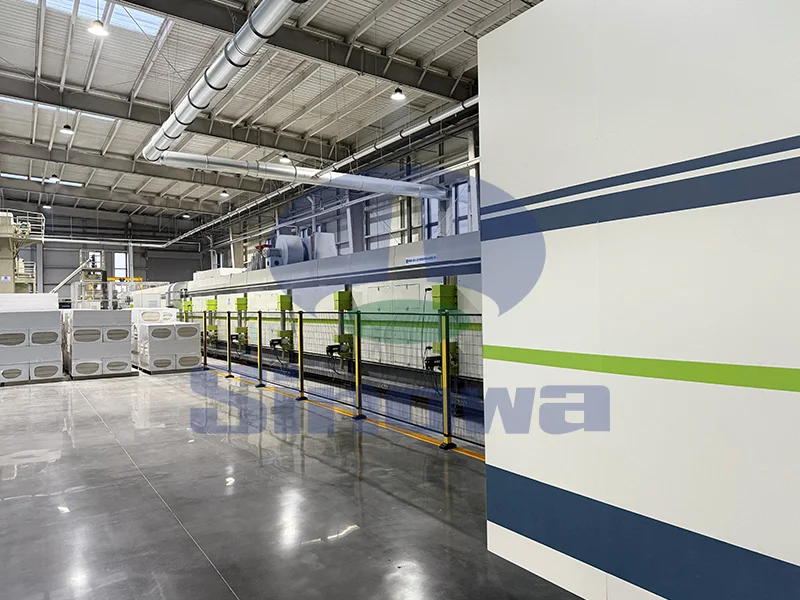
The choice of a sandwich panel line depends on several factors, including the intended application, production volume, desired panel specifications, and budget. For large-scale production of standardized panels, a continuous line is often the best choice, offering high efficiency and consistent quality. For small-scale production or custom panels, a discontinuous line may be more suitable, providing greater flexibility at a lower cost. The type of core material being used also influences the choice of line, as different core materials require different processing technologies. Additionally, factors such as energy efficiency, maintenance requirements, and the ability to scale production should be considered when selecting a sandwich panel line.
In conclusion, sandwich panel lines are essential production systems that enable the manufacturing of high-quality sandwich panels for a wide range of applications. Their structure is a carefully integrated assembly of components, each contributing to the efficient and precise production of panels, while their performance is defined by speed, consistency, precision, and flexibility. The types of sandwich panel lines are diverse, tailored to different production methods, core materials, and automation levels, and their applications span industries from construction and aerospace to automotive and medical. As technology continues to advance, sandwich panel lines are becoming more efficient, versatile, and environmentally friendly, meeting the evolving needs of modern industries and contributing to the development of sustainable, high-performance building and manufacturing solutions. Whether used to produce panels for a large industrial warehouse, a small custom home, or an aircraft component, sandwich panel lines play a vital role in shaping the materials that define our built environment and industrial landscape.
« Sandwich Panel Line » Update Date: 2026/4/14
Cold Storage Sandwich Panel Lines
2026-08-06The cold storage sandwich panel line is a specialized integrated production system designed to manufacture high-performance insulation panels exclusively for cold chain and refrigeration infrastructure. Serving as the cor…Polyurethane Sandwich Panel Line Manufacturer
2026-07-27Polyurethane sandwich panel line has become a core piece of specialized industrial equipment for manufacturing high-performance composite insulation panels, serving as an integrated automated production system that comple…Polyurethane Rock Wool Color Steel Sandwich Panel Line
2026-07-27The polyurethane rock wool color steel sandwich panel line is an advanced integrated manufacturing system tailored for the mass production of high-performance composite building panels, merging polyurethane foam technolog…Phenolic Sandwich Panel Line
2026-07-27The phenolic sandwich panel line represents a sophisticated, fully integrated automated production system designed for the continuous manufacturing of high-performance phenolic core composite panels. Tailored to produce l…Polyurethane Sandwich Panel Line Manufacturing
2026-05-25Polyurethane sandwich panel line manufacturing represents a sophisticated and integrated industrial production system designed to fabricate high-performance composite panels that combine structural stability, thermal insu…Reliable PU Sandwich Panel Lines
2026-05-25The continuous advancement of modern construction and industrial manufacturing has raised higher standards for the performance, consistency, and production efficiency of composite building materials. Polyurethane sandwich…Materials of Continuous PU Sandwich Panel Line
2026-05-25The continuous PU sandwich panel production line relies on a systematic combination of structural and functional materials to manufacture high-performance composite building panels, where every type of raw material direct…Insulation PU Sandwich Panel Lines
2026-05-25The insulation PU sandwich panel line represents a sophisticated integrated manufacturing system designed for the continuous and automated production of high-performance polyurethane composite insulation panels. As a core…High-tech PIR Sandwich Panel Line
2026-05-25The evolution of modern building and industrial material manufacturing is deeply driven by technological upgrades in automated production equipment, among which the high-tech PIR sandwich panel line stands out as a core s…PU Sandwich Panel Line China
2026-04-15In the global construction and industrial manufacturing fields, the demand for efficient, high-performance, and energy-saving building materials has been steadily rising, driving the continuous advancement of production e…
A pu sandwich panel line stands as a highly efficient and automated production solution dedicated to manufacturing high-performance insulated panels, playing a vital role in modern construction and industrial engineering sectors. This integrated production system streamlines the entire manufacturing process, starting with the uncoiling and leveling of outer facing materials, which are carefully treated to ensure flat, smooth surfaces free of defects and suitable for subsequent bonding. Next comes the core production step: precise mixing and uniform distribution of polyurethane raw materials, where specialized equipment controls the ratio and flow rate strictly to guarantee consistent foam density and stable bonding performance between the core and facings. The pu sandwich panel machine features a controlled curing and forming system that maintains stable temperature and pressure conditions, allowing the polyurethane foam to fully expand, solidify and bond tightly with the upper and lower layers, forming a rigid, durable sandwich structure. Post-forming, the panels go through accurate cutting and finishing processes to meet diverse size specifications demanded by different projects. Designed for continuous operation, this pu sandwich panel production line boosts manufacturing efficiency remarkably while ensuring uniform product quality across batches, reducing manual errors and material waste effectively. The finished PU sandwich panels deliver outstanding thermal insulation, sound absorption and structural strength, making them widely applicable in building roofs, walls, cold storage facilities and industrial workshops, adapting to various environmental and functional needs with reliable performance and long service life.