- Home
- Sandwich Panel Line
- Roll Forming Machine
- CZ Purlin Roll Forming Machine
- Door Window Curtain Partition Roll Forming Machine
- Gutter Roll Forming Machine
- Clean Partition Panel Machine
- Corrugated Panel Roll Forming Machine
- Double Layer Roof Roll Forming Machine
- High Speed Keel Roll Forming Machine
- Light Steel-Frame Structure Production Line
- C Channel Roll Forming Machine
- Insulated Panels
- Steel Profiles
- About
- Contact
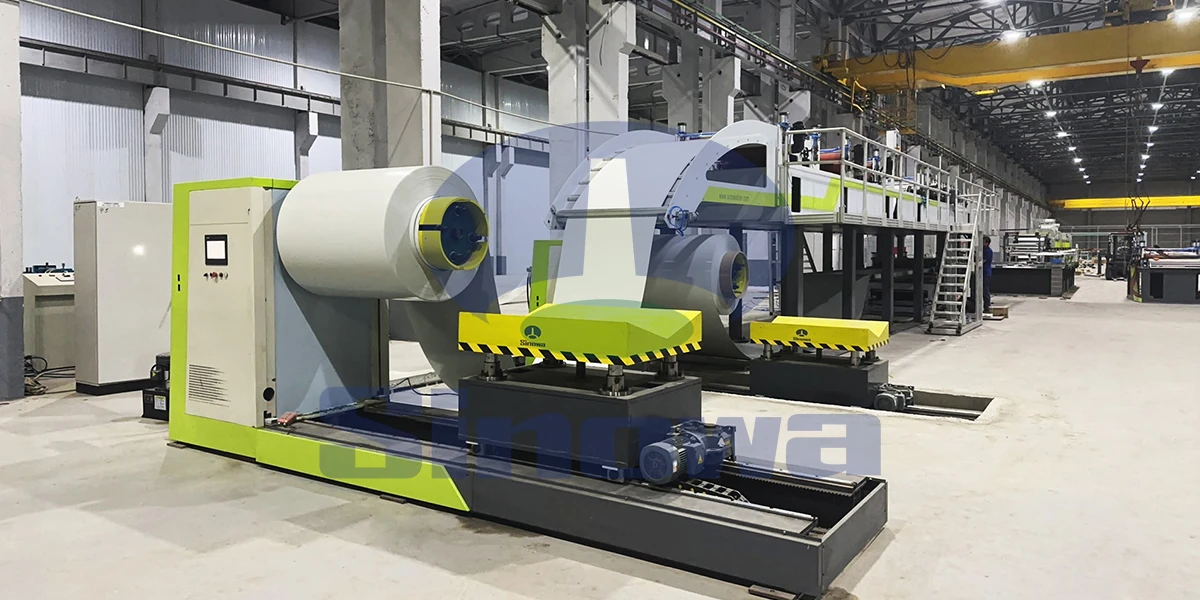
PU Foam Production Line
Sinowa is a supplier and manufacturer of PU Foam Production Line in china, customization on demand width a reasonable price.
Polyurethane (PU) foam stands as one of the most versatile polymer materials in modern industrial manufacturing, prized for its adaptable physical properties, lightweight build, and wide-ranging functional capabilities. The production of PU foam relies entirely on specialized, integrated production lines that merge chemical engineering, mechanical precision, and automated control to transform raw chemical ingredients into consistent, high-quality foam products tailored for diverse sectors. A PU foam production line is not a single standalone machine but a cohesive system of interconnected modules, each designed to execute a specific stage of the foam-forming process, from raw material handling and precise dosing to chemical mixing, foaming, curing, and post-processing. Every component within the line is engineered to work in seamless harmony, ensuring stability, uniformity, and efficiency across every batch, regardless of the foam type or production scale.
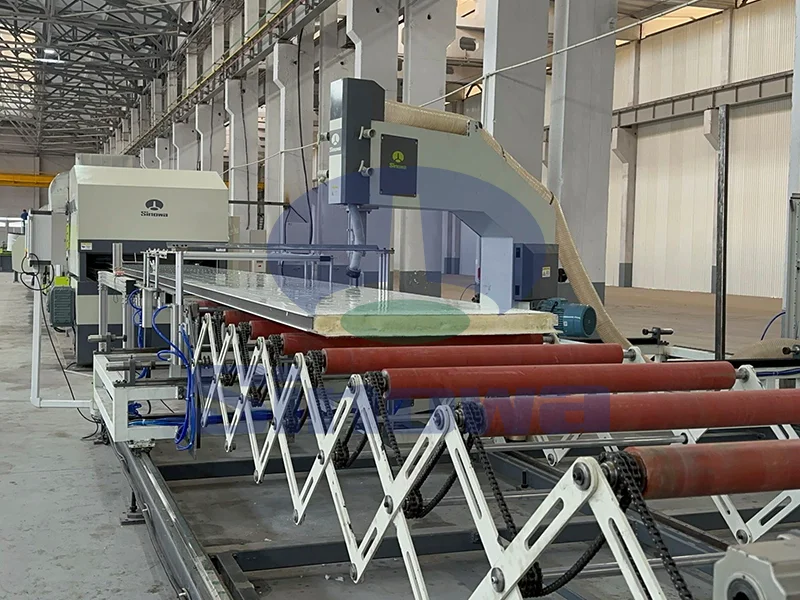
At its core, the structural framework of a standard PU foam production line is built around several critical, interdependent modules that govern the entire manufacturing workflow. The first foundational module is the raw material storage and conveying system, which houses the primary chemical components of PU foam—polyols, isocyanates, and a suite of auxiliary additives including blowing agents, catalysts, surfactants, and colorants. These raw materials are stored in sealed, temperature-controlled vessels to maintain consistent viscosity and chemical stability, as even minor fluctuations in temperature or purity can disrupt the foaming reaction and compromise final product quality. Precision conveying equipment, such as gear pumps and pipeline systems, transports these materials from storage units to the dosing station without leakage or contamination, ensuring a steady and reliable material supply throughout production. Following this is the high-precision dosing and metering module, arguably the most vital segment of the line, responsible for delivering raw materials in strictly calibrated ratios. Even a slight deviation in the mixing ratio of polyols and isocyanates can lead to defective foam, characterized by uneven density, poor resilience, insufficient curing, or structural collapse. Advanced metering systems utilize closed-loop control technology to adjust flow rates in real time, matching material output to the exact requirements of the foam formulation and maintaining unparalleled dosing accuracy.
The next key structural component is the mixing and foaming module, where the chemical reaction that forms PU foam takes place. This module typically features a high-efficiency mixing head, designed to blend the metered raw materials rapidly and uniformly through either high-pressure impingement or low-pressure mechanical stirring, depending on the production requirements. High-pressure mixing systems force streams of polyols and isocyanates to collide at intense velocities, creating a homogenous mixture within milliseconds and triggering an immediate polymerization reaction paired with gas generation from the blowing agent. This gas becomes trapped within the developing polymer matrix, forming the characteristic cellular structure of PU foam. The mixed reactants are then dispensed onto a conveyor belt or into a mold, where expansion and initial curing occur in a controlled environment. Adjacent to the mixing unit is the curing and molding module, which provides the optimal temperature, humidity, and space for the foam to fully solidify and stabilize its structure. For continuous production lines, this module consists of a long, heated conveyor tunnel that supports the expanding foam as it cures gradually; for molded foam production, it includes customized molds and clamping systems that shape the foam into specific, predefined configurations. The final core structural element is the post-processing module, which encompasses cutting, trimming, shaping, and surface treatment equipment. Once fully cured, large foam blocks or molded parts are processed into finished goods of the desired size and specification, with precision cutting tools ensuring clean edges and consistent dimensions, while additional treatment steps enhance performance traits like flame resistance, water repellency, or durability.
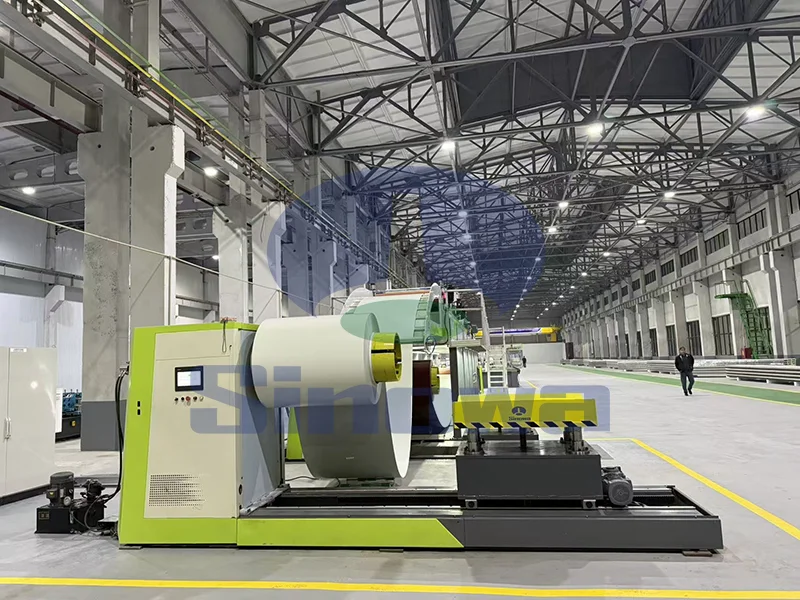
The performance of a PU foam production line is defined by a set of core attributes that directly impact production efficiency, product quality, and operational reliability, with consistency, adaptability, automation, and stability standing as the most prominent. Consistency is paramount in PU foam production, as end-users across industries require foam products with uniform density, cell structure, hardness, and mechanical properties. A high-performance production line eliminates variations between batches by maintaining stable process parameters—including temperature, pressure, mixing speed, and curing time—throughout operation, resulting in foam that meets strict quality benchmarks for every production run. Adaptability is another critical performance metric, as modern manufacturing demands flexibility to produce multiple types of PU foam using a single line. Top-tier systems are engineered to accommodate diverse formulations and production processes, allowing seamless switching between flexible, rigid, high-resilience, viscoelastic, and specialty foam types without extensive reconfiguration or downtime. This adaptability makes the production line suitable for small-batch custom orders and large-scale mass production alike, catering to evolving market demands.
Automation and intelligence further elevate the performance of contemporary PU foam production lines, reducing manual intervention, minimizing human error, and boosting overall operational efficiency. Equipped with integrated control systems, operators can monitor and adjust all process parameters in real time via intuitive interfaces, with automated sensors tracking material levels, reaction progress, and equipment status to detect and resolve potential issues before they disrupt production. Automated control also optimizes material usage, reducing waste and lowering production costs while streamlining workflow to shorten cycle times and increase hourly output. Long-term operational stability is equally vital, as industrial production lines often run continuously for extended periods. High-quality structural components, wear-resistant parts, and robust mechanical design ensure the line operates smoothly under heavy workloads, with minimal maintenance requirements and reduced risk of unexpected breakdowns. This reliability not only prolongs the service life of the production line but also supports uninterrupted manufacturing, a key factor for meeting tight production schedules and market demand.
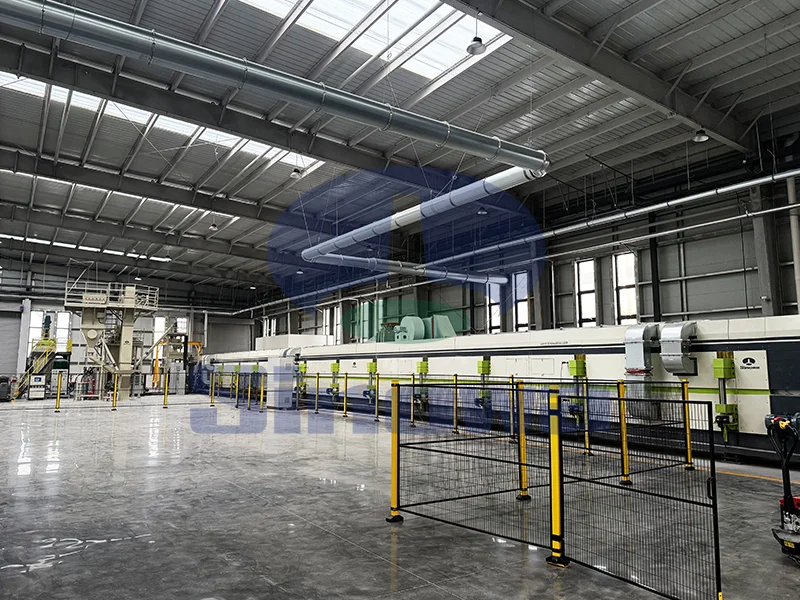
PU foam production lines are classified into distinct categories based on production process, foam type, and operational scale, each tailored to specific manufacturing needs and application scenarios. The most common classification is by production process, dividing lines into continuous production lines and batch production lines. Continuous PU foam production lines operate in a steady, uninterrupted workflow, with raw materials dosed, mixed, foamed, cured, and processed in a sequential, automated flow. These lines are ideal for large-scale manufacturing of standard foam products, such as flexible foam sheets, rigid insulation boards, and carpet underlays, offering high output rates, consistent quality, and low per-unit production costs. Batch production lines, by contrast, produce foam in discrete batches, with each cycle involving material preparation, mixing, foaming, and curing before the next batch begins. While slower than continuous lines, batch systems offer greater flexibility for small-batch, customized, or specialty foam production, making them suitable for manufacturing molded foam parts, high-resilience foam components, and low-volume specialty products that require frequent formula adjustments.
Classification by foam type yields three primary categories: flexible PU foam production lines, rigid PU foam production lines, and specialty foam production lines. Flexible foam production lines are engineered to manufacture soft, resilient foam with an open-cell structure, optimized for cushioning, comfort, and shock absorption. These lines feature gentle curing conditions and precise mixing systems to preserve the foam’s elastic properties, producing materials widely used in everyday comfort and support applications. Rigid foam production lines, conversely, are designed to create dense, closed-cell foam with exceptional structural rigidity, thermal insulation, and load-bearing capacity. These lines incorporate higher curing temperatures and specialized mixing technology to form a tight, uniform cell structure, prioritizing insulation and structural strength over flexibility. Specialty foam production lines are customized to produce PU foam with unique performance traits, such as high-resilience foam, memory viscoelastic foam, flame-retardant foam, anti-static foam, and reticulated foam. These lines integrate modified mixing systems, controlled curing environments, and targeted post-processing techniques to meet the stringent specifications of niche industrial applications, offering tailored solutions for specialized use cases.
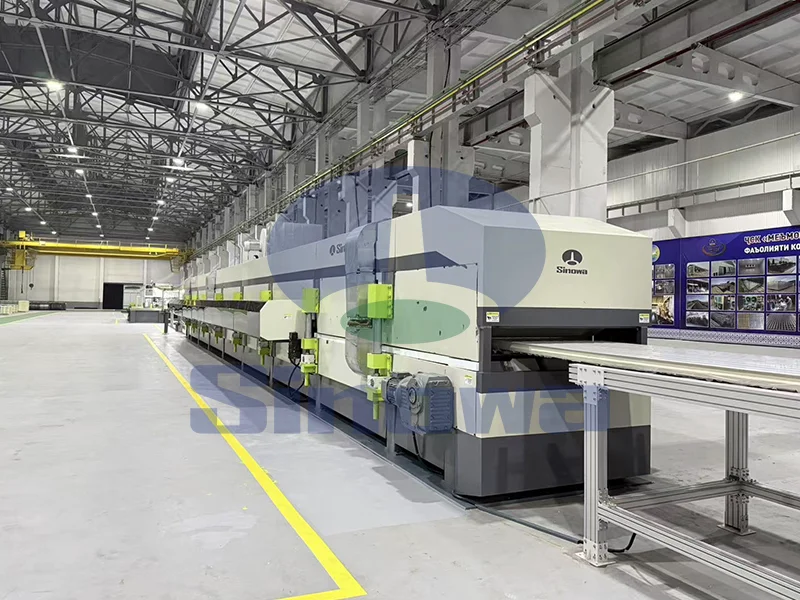
Classification by operational scale further divides production lines into large-scale industrial lines, medium-scale production lines, and small-scale pilot or laboratory lines. Large-scale lines are expansive, fully automated systems designed for mass production facilities, featuring extended conveyor systems, high-capacity dosing units, and multiple post-processing stations to meet the high-volume demand of major manufacturing sectors. Medium-scale lines strike a balance between output and flexibility, suitable for mid-sized manufacturing plants producing a diverse range of foam products for regional markets, offering reliable performance and manageable footprint. Small-scale lines are compact, compactly designed for research laboratories, pilot production facilities, or small businesses focused on custom foam development, enabling precise control over production parameters to test new formulations, refine foam properties, and produce small prototype batches before full-scale manufacturing.
The versatility of PU foam, enabled by specialized production lines, translates to an extensive range of applications across nearly every major industrial sector, with each sector leveraging unique foam properties tailored by corresponding production line capabilities. In the furniture and bedding industry, flexible PU foam produced via continuous or batch lines serves as the core cushioning material for mattresses, sofas, office chairs, cushions, and pillows. The foam’s softness, resilience, and long-lasting durability enhance seating and sleeping comfort, while production lines can adjust density and hardness to create products ranging from plush to firm, catering to diverse consumer preferences. The automotive industry relies heavily on both flexible and rigid PU foam, with flexible foam used for seat cushions, headrests, armrests, and interior trim to boost passenger comfort, and rigid foam employed for lightweight structural components, noise insulation panels, and thermal insulation parts. PU foam’s lightweight nature helps reduce vehicle weight, improving fuel efficiency, while its shock-absorbing properties enhance passenger safety, making it an indispensable material in automotive design and manufacturing.
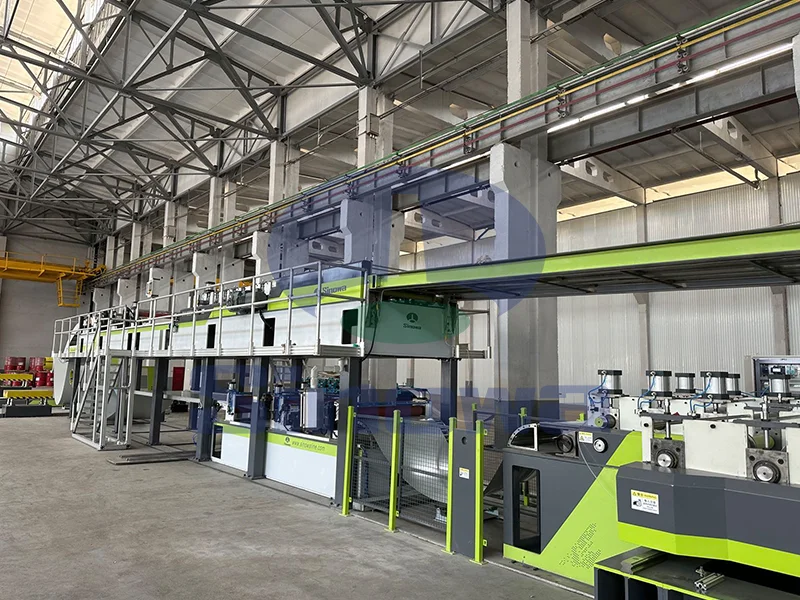
The construction and building industry is another major consumer of PU foam, predominantly rigid foam produced via specialized continuous lines, valued for its outstanding thermal insulation performance. Rigid PU foam boards and panels are widely used for wall insulation, roof insulation, floor insulation, and HVAC system insulation, minimizing heat transfer, improving building energy efficiency, and reducing reliance on heating and cooling systems. The foam’s moisture resistance and structural stability also prevent mold growth and maintain long-term insulation performance, aligning with modern green building standards. In the packaging industry, PU foam’s exceptional shock absorption and cushioning properties make it ideal for protecting fragile, high-value goods during shipping and handling, including electronic devices, glassware, ceramic products, precision instruments, and fragile artwork. Custom-molded PU foam, crafted via batch production lines, fits snugly around products, absorbing impacts and vibrations to prevent damage, offering a lightweight, cost-effective protective packaging solution.
Beyond these core sectors, PU foam production lines support a host of specialized applications across diverse industries. In the medical industry, PU foam is used to manufacture medical mattresses, wheelchair cushions, wound care products, and prosthetic components, with production lines crafting hypoallergenic, breathable, and pressure-relief foam that meets strict hygiene and comfort requirements. In sports and leisure, foam lines produce padding for sports gear, protective equipment, yoga mats, and outdoor leisure products, leveraging the foam’s shock absorption and flexibility to enhance user safety and comfort. Reticulated PU foam, produced via specialized post-processing on dedicated lines, is used in air and liquid filtration systems, fuel tank anti-surge membranes, and acoustic insulation panels, thanks to its high porosity and airflow capabilities. Even in footwear and apparel, PU foam serves as cushioning insoles and shock-absorbing padding, boosting comfort and support for daily wear and athletic activity.
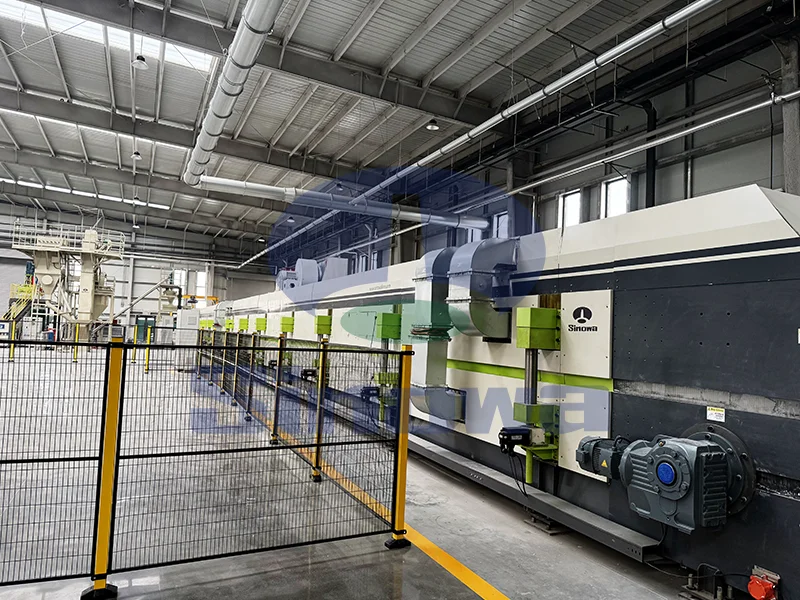
As industrial technology advances and material science evolves, PU foam production lines continue to undergo innovation and optimization, focusing on enhanced automation, improved energy efficiency, reduced environmental impact, and expanded formulation compatibility. Modern lines are integrating smarter control systems, greener production processes, and more flexible modular designs to meet the growing demand for sustainable, high-performance PU foam across global markets. The inherent adaptability of these production lines ensures that PU foam will remain a cornerstone material in manufacturing, with new applications emerging as production technology advances and industry needs evolve. From everyday consumer goods to critical industrial components, the PU foam production line stands as a vital pillar of modern manufacturing, bridging chemical innovation and mechanical engineering to deliver versatile, reliable, and high-quality foam products that enrich daily life and drive industrial progress.
« PU Foam Production Line » Update Date: 2026/4/14
PU Foam Production Line In China
2026-07-27China’s PU foam production line industry has evolved into a mature, dynamic manufacturing sector that underpins the widespread application of polyurethane foam across diverse industrial and civilian fields. Integrating p…High Efficiency PU Foam Production Line
2024-01-06Reliable PU Foam Production Line
2024-01-06High-end PU Foam Production Line
2024-01-06PU Foam Production Line From China
2024-01-06PU Foam Production Line For House
2023-12-13PU Foam Production Line For Roof
2023-12-13PU Foam Production Line For Sale
2023-12-13PU Foam Production Line Manufacturer
2023-12-13PU Foam Production Line Material
2023-12-13
A pu sandwich panel line stands as a highly efficient and automated production solution dedicated to manufacturing high-performance insulated panels, playing a vital role in modern construction and industrial engineering sectors. This integrated production system streamlines the entire manufacturing process, starting with the uncoiling and leveling of outer facing materials, which are carefully treated to ensure flat, smooth surfaces free of defects and suitable for subsequent bonding. Next comes the core production step: precise mixing and uniform distribution of polyurethane raw materials, where specialized equipment controls the ratio and flow rate strictly to guarantee consistent foam density and stable bonding performance between the core and facings. The pu sandwich panel machine features a controlled curing and forming system that maintains stable temperature and pressure conditions, allowing the polyurethane foam to fully expand, solidify and bond tightly with the upper and lower layers, forming a rigid, durable sandwich structure. Post-forming, the panels go through accurate cutting and finishing processes to meet diverse size specifications demanded by different projects. Designed for continuous operation, this pu sandwich panel production line boosts manufacturing efficiency remarkably while ensuring uniform product quality across batches, reducing manual errors and material waste effectively. The finished PU sandwich panels deliver outstanding thermal insulation, sound absorption and structural strength, making them widely applicable in building roofs, walls, cold storage facilities and industrial workshops, adapting to various environmental and functional needs with reliable performance and long service life.