- Home
- Sandwich Panel Line
- Roll Forming Machine
- CZ Purlin Roll Forming Machine
- Door Window Curtain Partition Roll Forming Machine
- Gutter Roll Forming Machine
- Clean Partition Panel Machine
- Corrugated Panel Roll Forming Machine
- Double Layer Roof Roll Forming Machine
- High Speed Keel Roll Forming Machine
- Light Steel-Frame Structure Production Line
- C Channel Roll Forming Machine
- Insulated Panels
- Steel Profiles
- About
- Contact
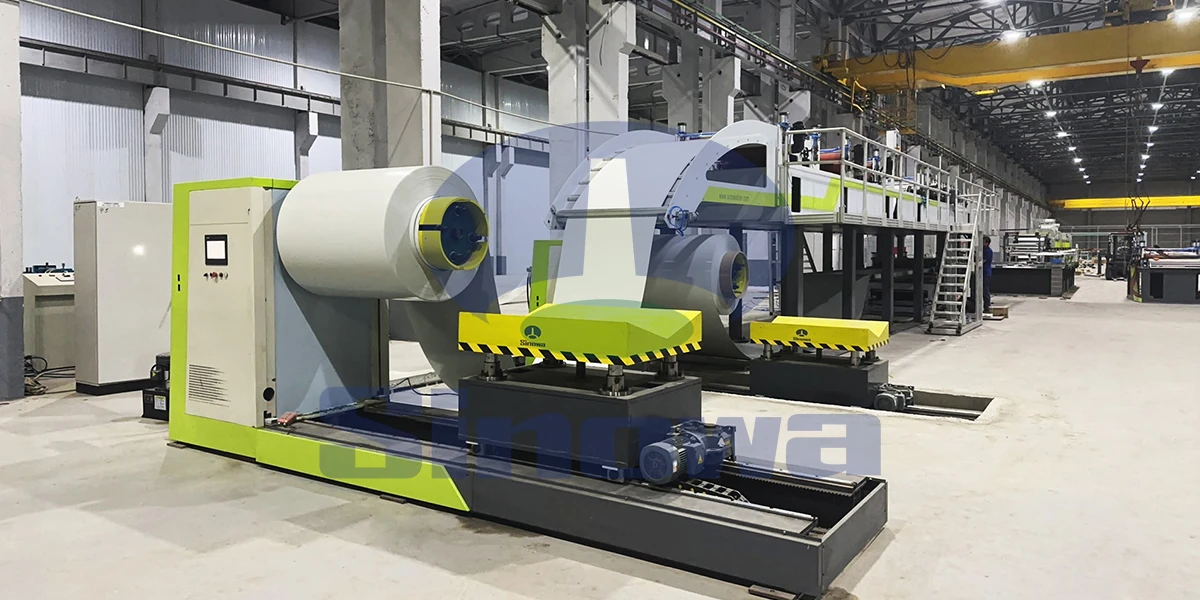
Sandwich Panel Making Line
Sinowa is a supplier and manufacturer of Sandwich Panel Making Line in china, customization on demand width a reasonable price.
A sandwich panel making line stands as a highly integrated, automated industrial system dedicated to the mass production of sandwich panels, composite building materials that combine lightweight core materials with rigid outer facing sheets to deliver exceptional structural efficiency, thermal insulation, and durability. Unlike fragmented manual production processes, this streamlined line merges mechanical engineering, material processing, and precision control technologies, transforming raw materials into finished sandwich panels through a sequence of coordinated, continuous operations. The design and configuration of the line directly determine the quality, performance, and versatility of the panels produced, making it a cornerstone of modern construction, cold chain logistics, transportation, and industrial manufacturing sectors. Every component of the line is engineered to work in harmony, minimizing material waste, reducing manual intervention, and ensuring consistent output that meets the stringent functional requirements of diverse end-use scenarios, from large-scale industrial warehouses to temperature-controlled cold storage facilities and lightweight transportation components.
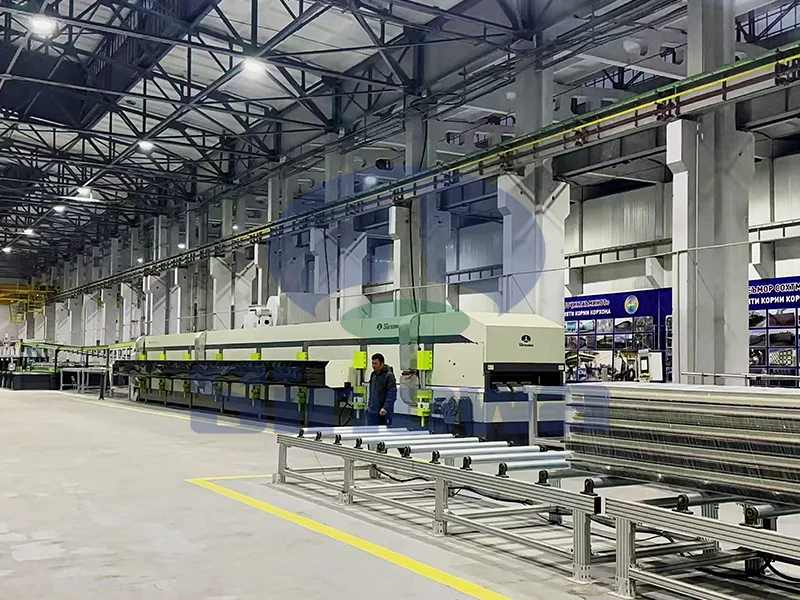
At its core, the structure of a sandwich panel making line is a modular, sequential assembly of specialized equipment, each segment serving a distinct purpose in the panel fabrication process, with seamless material transfer between stations to maintain production continuity. The line typically begins with a raw material handling and uncoiling system, which feeds flat metal coils—most commonly steel or aluminum, chosen for their high strength-to-weight ratio and corrosion resistance—into the production flow. This uncoiling unit is equipped with tension control mechanisms to keep the sheets flat and aligned, preventing wrinkles, misalignment, or damage that could compromise panel integrity. Following uncoiling, the sheets pass through a roll forming station, where precision rollers shape the flat metal into profiled panels with standardized edges, grooves, or interlocking joints; these profiles are critical for ensuring tight, secure connections between adjacent panels during installation, enhancing structural stability and weather resistance. Next, a surface treatment and adhesive application unit prepares the inner faces of the formed sheets, applying a uniform layer of bonding agent to create a strong, permanent bond between the outer facings and the core material, eliminating delamination and ensuring long-term structural cohesion.
The central and most critical segment of the sandwich panel making line is the core material integration and pressing station, where the insulating or structural core is positioned between the two outer facing sheets and compressed under controlled pressure and temperature. This station varies in design based on the type of core material used, with tailored mechanisms to handle different core textures, densities, and form factors—whether rigid foam boards, fibrous insulation, or lightweight cellular cores. After pressing, the composite panel moves through a curing and setting zone, where controlled environmental conditions accelerate the bonding process, solidifying the adhesive and stabilizing the panel’s shape and dimensions. This curing phase is vital for locking in the panel’s structural rigidity and performance properties, preventing warping, shrinkage, or deformation over time. The final stages of the line include precision cutting, trimming, and finishing stations, which cut the continuous panel strip into custom lengths, trim excess material, and smooth edges to meet specific project specifications. A stacking and packaging system then organizes the finished panels for storage and transportation, completing the end-to-end production cycle. The entire line is governed by a centralized control system, which monitors production parameters, adjusts operational speeds, and ensures consistent quality across every panel produced, with minimal manual oversight required for routine operations.
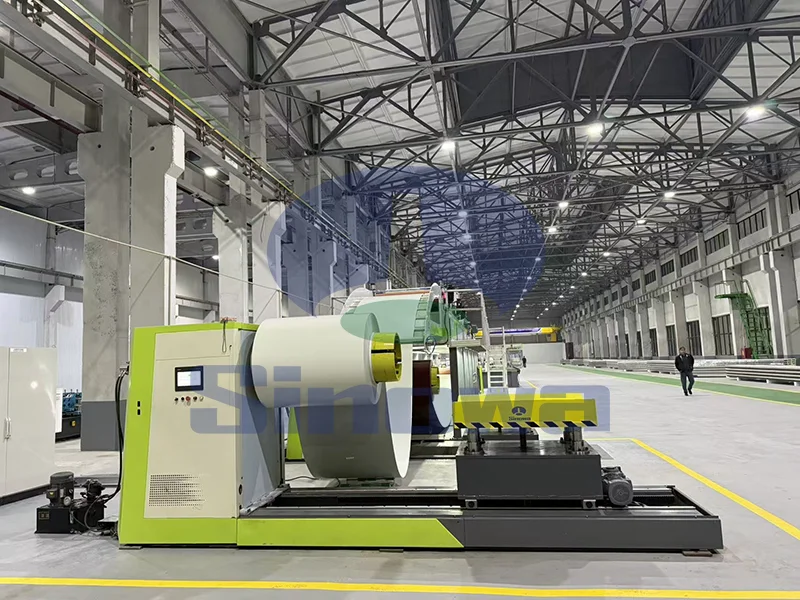
Performance is a defining attribute of a high-quality sandwich panel making line, encompassing production efficiency, panel quality consistency, operational reliability, and adaptability to diverse production demands. One of the primary performance metrics is production efficiency, with modern lines capable of sustained, high-volume output to meet large-scale project timelines, reducing lead times and optimizing manufacturing productivity. The automation level of the line directly boosts efficiency by eliminating human error, streamlining material flow, and reducing downtime between production runs, while also lowering labor costs and improving workplace safety by minimizing manual handling of heavy materials and high-pressure equipment. Equally important is the consistency of panel performance, as the line’s precision engineering ensures uniform thickness, density, and bonding strength across every panel, regardless of production volume. This consistency translates to predictable structural performance, thermal insulation efficiency, and weather resistance in the finished panels, critical for applications where performance variability could compromise safety or functionality.
Durability and operational stability are also key performance hallmarks of a robust sandwich panel making line. Built with heavy-duty, wear-resistant materials, the line is engineered to withstand continuous, high-intensity production cycles, with minimal maintenance requirements and extended service life. Components such as rollers, pressing plates, and cutting blades are designed to resist abrasion and deformation, maintaining precision even after prolonged use. The line also offers exceptional flexibility in performance, capable of adjusting to variations in core material type, panel thickness, and facing sheet material without major reconfiguration. This adaptability allows manufacturers to switch between different panel specifications quickly, catering to evolving market demands and diverse project needs. Additionally, modern sandwich panel making lines prioritize energy efficiency, with optimized power usage and waste reduction systems that minimize resource consumption, aligning with sustainable manufacturing practices and reducing operational overhead. Collectively, these performance traits make the line a cost-effective, reliable solution for producing high-quality sandwich panels at scale, balancing speed, precision, and sustainability in every production run.
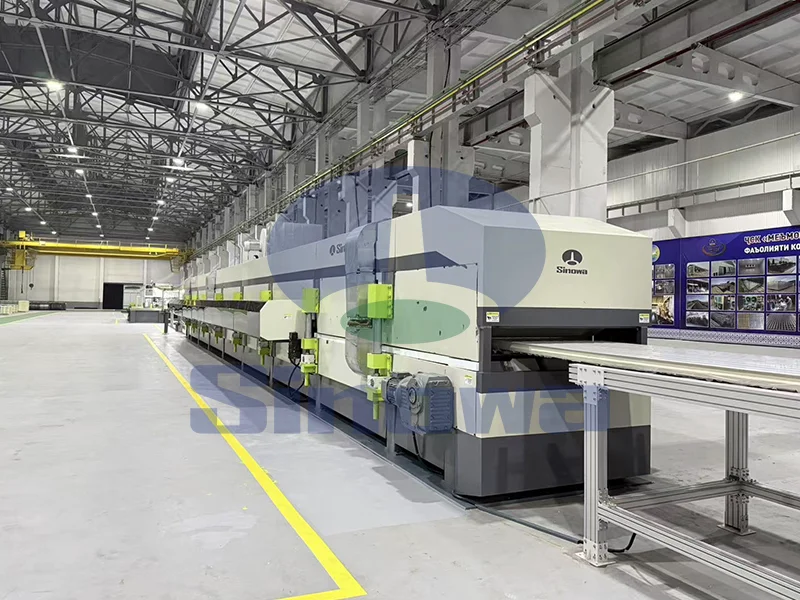
Sandwich panel making lines are categorized into distinct types based on core material compatibility, production technology, and operational mode, each tailored to specific panel performance requirements and production scales. The most common classification is based on the core material, as different cores impart unique properties to the finished panels, and the line must be engineered to handle each material’s unique characteristics. Polyurethane (PUR/PIR) core sandwich panel lines are among the most widely used, designed to process closed-cell foam cores that deliver exceptional thermal insulation, low thermal conductivity, and lightweight properties. These lines feature specialized foam injection and pressing systems, ensuring uniform foam distribution and density, making them ideal for cold storage, refrigerated transportation, and energy-efficient building envelopes. The closed-cell structure of the PUR/PIR core also enhances moisture resistance, preventing water absorption and maintaining insulation performance in humid or damp environments.
Mineral wool core sandwich panel lines are engineered for applications demanding superior fire resistance, sound insulation, and high-temperature stability. Mineral wool, a non-combustible fibrous material, requires gentle handling and precise pressing to preserve its fibrous structure and insulating properties, so these lines are equipped with soft handling mechanisms and controlled pressure systems to avoid compaction or damage. The resulting panels offer exceptional fire retardancy, sound absorption, and thermal stability, making them suitable for industrial facilities, commercial buildings, and high-rise construction where fire safety and acoustic comfort are top priorities. Expanded polystyrene (EPS) core sandwich panel lines are designed for cost-effective, lightweight panel production, with simplified processing systems that handle rigid EPS foam boards efficiently. EPS core panels offer reliable thermal insulation and lightweight construction, ideal for temporary structures, partition walls, and low-rise commercial buildings, balancing affordability and functional performance.
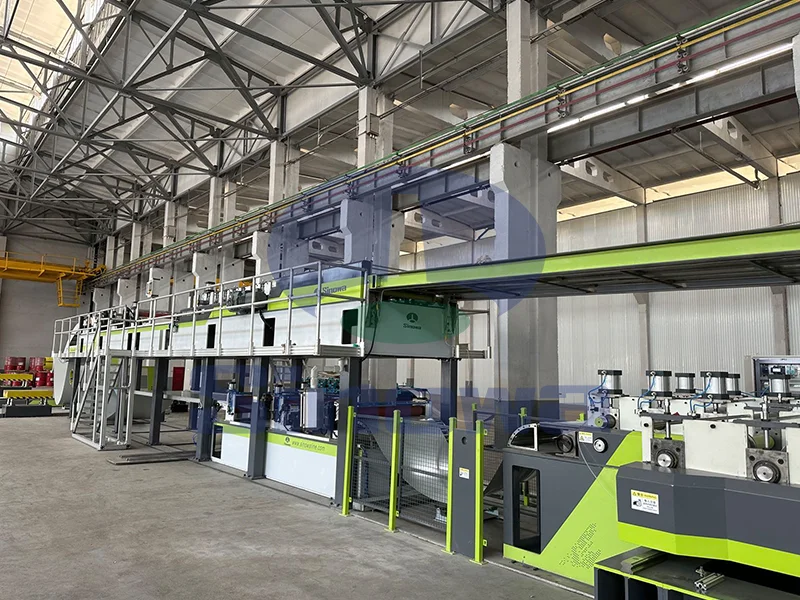
Beyond core material-based classifications, sandwich panel making lines are also divided by production technology into continuous and discontinuous lines, each suited to different production scales and customization needs. Continuous sandwich panel lines operate as fully automated, end-to-end systems, processing raw coils into finished panels without interruption, delivering high-volume, uniform output ideal for large-scale, standardized panel production. These lines offer unmatched efficiency and consistency, making them the preferred choice for mass production projects with fixed panel specifications. Discontinuous sandwich panel lines, by contrast, operate in batch mode, producing panels in smaller quantities with greater flexibility for custom sizes, thicknesses, and core configurations. These lines are ideal for small-batch production, custom projects, or manufacturers catering to niche markets with unique panel requirements, offering versatility and adaptability at the cost of lower overall production speed. Additionally, lines can be categorized by panel type, including wall panel lines, roof panel lines, and specialized cold storage panel lines, each with tailored design features to optimize the performance of the specific panel type—such as enhanced weatherproofing for roof panels or tighter insulation for cold storage panels.
The versatility of sandwich panels produced by these lines drives their extensive use across a vast array of industries, with applications spanning construction, cold chain logistics, transportation, industrial manufacturing, and renewable energy. In the construction sector, sandwich panels serve as a primary building material for both interior and exterior applications, offering a lightweight, durable alternative to traditional brick-and-mortar construction. Exterior wall and roof panels provide excellent thermal insulation, weather resistance, and structural support, reducing energy consumption for heating and cooling while accelerating construction timelines due to their prefabricated, easy-to-install design. These panels are widely used in industrial warehouses, manufacturing plants, commercial workshops, and agricultural buildings, where quick construction, low maintenance, and long-term durability are essential. Interior partition panels, meanwhile, offer sound insulation and space division capabilities, ideal for office buildings, shopping malls, and public facilities, creating flexible, functional interior spaces with minimal structural load.
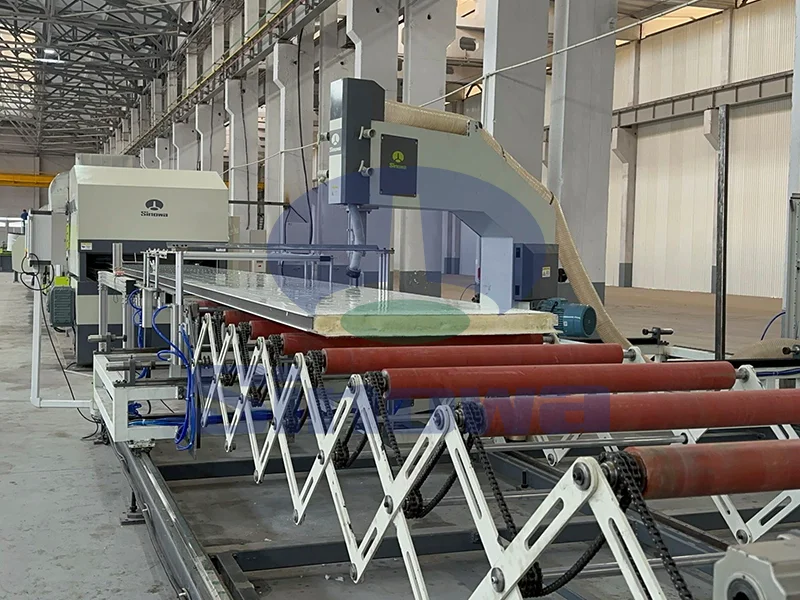
The cold chain and refrigeration industry relies heavily on sandwich panels for temperature-controlled storage and transportation, leveraging the exceptional thermal insulation properties of PUR/PIR and EPS core panels. Cold storage warehouses, food processing facilities, pharmaceutical storage units, and refrigerated containers all use sandwich panels to maintain stable low temperatures, preventing spoilage of perishable goods and preserving the efficacy of temperature-sensitive pharmaceuticals. The airtight, insulated construction of these panels minimizes temperature fluctuations, reduces energy usage for refrigeration systems, and ensures compliance with strict temperature control standards for food and medical supply chains. In the transportation sector, sandwich panels are used to fabricate lightweight, insulated bodies for refrigerated trucks, vans, and shipping containers, as well as interior components for rail cars, ships, and recreational vehicles. The lightweight nature of the panels reduces overall vehicle weight, improving fuel efficiency, while their insulation and structural rigidity enhance cargo protection and passenger comfort.
Industrial and manufacturing applications of sandwich panels extend to clean rooms, controlled-environment production facilities, and industrial enclosures, where the panels’ smooth, non-porous surfaces, insulation, and airtightness support sterile, temperature-stable operating environments. These panels are easy to clean and maintain, resisting dust, bacteria, and chemical contamination, making them perfect for pharmaceutical manufacturing, electronics assembly, and food processing plants that require strict hygiene and environmental control. In the renewable energy sector, sandwich panels are used in the construction of solar panel support structures, wind turbine components, and energy-efficient building envelopes for renewable energy facilities, combining structural strength with thermal efficiency to support sustainable energy infrastructure. Additionally, sandwich panels find use in temporary construction sites, emergency shelters, and modular housing, offering quick assembly, portability, and reliable performance in temporary or remote settings.
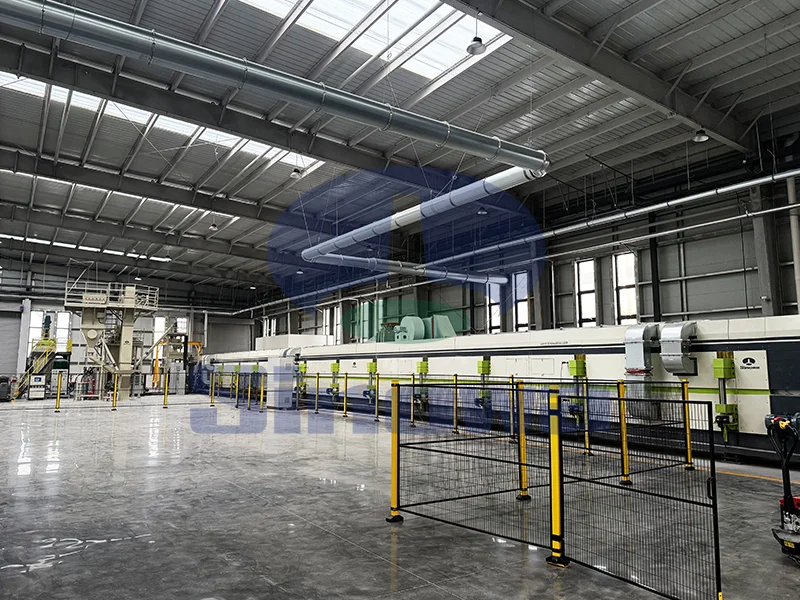
As global demand for sustainable, energy-efficient building materials and lightweight composite products continues to rise, the sandwich panel making line remains an indispensable asset in modern manufacturing, evolving continuously to incorporate advanced technologies and improved performance capabilities. Ongoing advancements in automation, material science, and control systems are enhancing the line’s efficiency, precision, and sustainability, enabling the production of panels with even higher insulation values, greater structural strength, and lower environmental impact. The ability to customize panel properties—from fire resistance and thermal insulation to sound absorption and weatherproofing—ensures that sandwich panels will remain a preferred choice across industries, while the modular, adaptable design of sandwich panel making lines allows manufacturers to stay responsive to shifting market needs and regulatory requirements. From large-scale commercial construction to specialized cold chain applications and lightweight transportation solutions, the sandwich panel making line stands at the intersection of innovation and functionality, driving progress in multiple sectors by delivering high-performance, versatile composite materials that meet the demands of modern industry and infrastructure.
In summary, the sandwich panel making line is a sophisticated, multi-functional industrial system that combines structural robustness, consistent performance, diverse typology, and wide-ranging applicability to support global manufacturing and construction needs. Its well-engineered modular structure ensures seamless production flow, while its core performance traits—efficiency, reliability, and flexibility—underpin the quality of the panels it produces. The variety of line types caters to every production scale and panel specification, from mass-produced standard panels to custom-designed specialty products, and the resulting sandwich panels deliver unmatched value across countless applications, balancing lightweight design, structural integrity, and functional performance. As industries continue to prioritize sustainability, efficiency, and cost-effectiveness, the sandwich panel making line will retain its pivotal role, adapting to new technologies and market demands to remain a vital component of the global supply chain for high-performance composite building and industrial materials.
« Sandwich Panel Making Line » Update Date: 2026/4/15
URL: https://m.sinowa.cn/blog/sandwich-panel-making-line.html
Foam Sandwich Panel Making Line
2024-09-20
A pu sandwich panel line stands as a highly efficient and automated production solution dedicated to manufacturing high-performance insulated panels, playing a vital role in modern construction and industrial engineering sectors. This integrated production system streamlines the entire manufacturing process, starting with the uncoiling and leveling of outer facing materials, which are carefully treated to ensure flat, smooth surfaces free of defects and suitable for subsequent bonding. Next comes the core production step: precise mixing and uniform distribution of polyurethane raw materials, where specialized equipment controls the ratio and flow rate strictly to guarantee consistent foam density and stable bonding performance between the core and facings. The pu sandwich panel machine features a controlled curing and forming system that maintains stable temperature and pressure conditions, allowing the polyurethane foam to fully expand, solidify and bond tightly with the upper and lower layers, forming a rigid, durable sandwich structure. Post-forming, the panels go through accurate cutting and finishing processes to meet diverse size specifications demanded by different projects. Designed for continuous operation, this pu sandwich panel production line boosts manufacturing efficiency remarkably while ensuring uniform product quality across batches, reducing manual errors and material waste effectively. The finished PU sandwich panels deliver outstanding thermal insulation, sound absorption and structural strength, making them widely applicable in building roofs, walls, cold storage facilities and industrial workshops, adapting to various environmental and functional needs with reliable performance and long service life.