- Home
- Sandwich Panel Line
- Roll Forming Machine
- CZ Purlin Roll Forming Machine
- Door Window Curtain Partition Roll Forming Machine
- Gutter Roll Forming Machine
- Clean Partition Panel Machine
- Corrugated Panel Roll Forming Machine
- Double Layer Roof Roll Forming Machine
- High Speed Keel Roll Forming Machine
- Light Steel-Frame Structure Production Line
- C Channel Roll Forming Machine
- Insulated Panels
- Steel Profiles
- About
- Contact
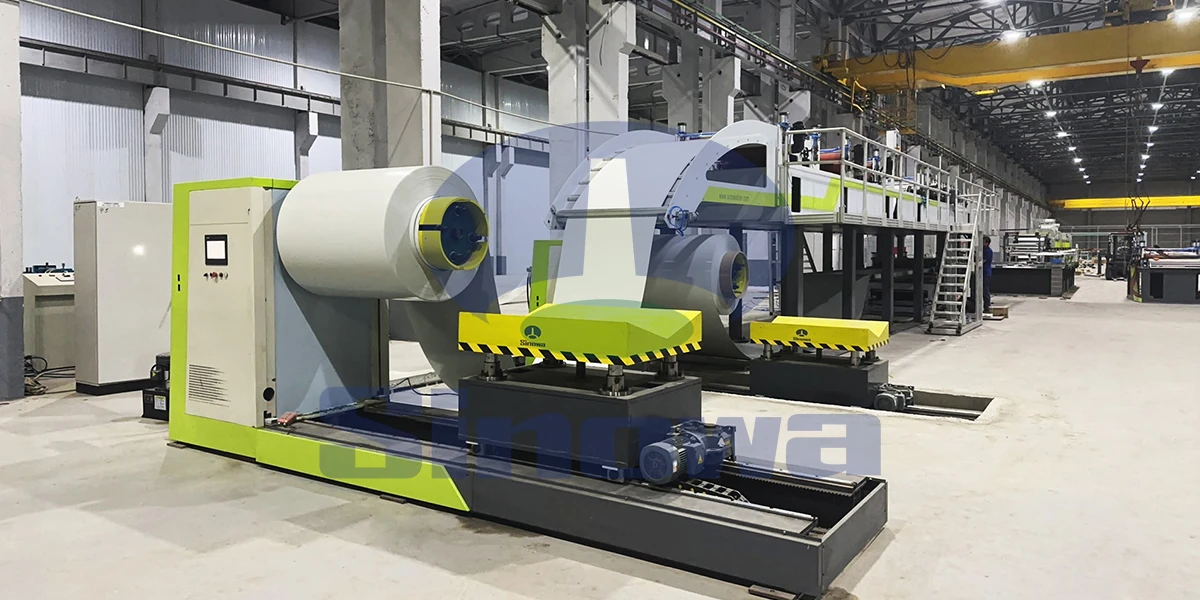
Continuous PU Sandwich Panel Line
Sinowa is a supplier and manufacturer of Continuous PU Sandwich Panel Line in china, customization on demand width a reasonable price.
The continuous PU sandwich panel line stands as a cornerstone of modern industrial manufacturing, redefining the production of high-performance composite building and engineering materials through automated, streamlined processes. Unlike batch production methods that rely on discontinuous handling and manual intervention, this integrated production system operates on a seamless, end-to-end workflow, transforming raw materials into finished PU sandwich panels with consistent quality, precise dimensions, and enhanced functional properties. At its core, the line is engineered to merge structural rigidity, thermal efficiency, and manufacturing scalability, addressing the growing demand for durable, energy-efficient materials across residential, commercial, industrial, and specialized sectors. Every component of the production line is meticulously designed to optimize material bonding, foam curing, and panel forming, ensuring that the final products not only meet strict performance benchmarks but also adapt to diverse application requirements without compromising on longevity or functionality.
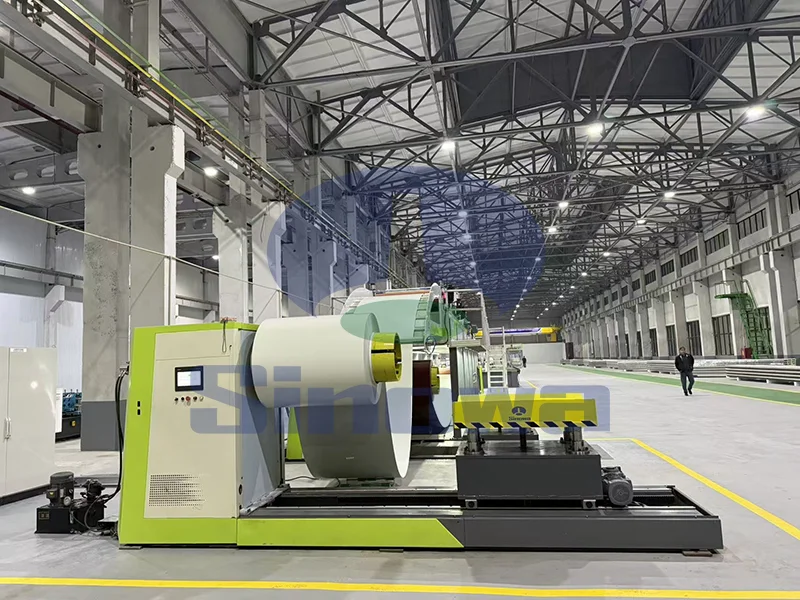
Delving into the structural framework of the continuous PU sandwich panel line, it comprises a series of interconnected modular units that work in tandem to execute each production stage with precision, eliminating bottlenecks and reducing material waste. The process initiates with the raw material feeding and pre-treatment module, where facing materials—typically metal sheets, though non-metallic alternatives are also compatible—are uncoiled, leveled, and cleaned to remove surface contaminants, oils, or debris that could hinder adhesive bonding. This pre-treatment step is critical, as it establishes a robust foundation for the fusion between the outer facings and the polyurethane (PU) foam core, a bond that dictates the overall structural integrity of the finished panel. Following pre-treatment, the facings are guided through a precision forming station, where they are shaped into standardized profiles or custom contours based on intended use; this step ensures uniform thickness across the panel surface and prepares the facings for the core injection phase.
The heart of the continuous PU sandwich panel line lies in the foam mixing and injection module, a high-precision system that governs the chemical reaction and expansion of the PU foam core. Raw polyol and isocyanate components, the primary constituents of rigid PU foam, are metered, mixed under controlled pressure and temperature, and injected evenly between the two pre-formed facing layers. The line’s closed-loop temperature and pressure regulation systems are calibrated to maintain optimal reaction conditions, preventing uneven foam expansion, void formation, or inconsistent density—flaws that would undermine thermal insulation and load-bearing capacity. As the injected foam expands and cures, the assembly passes through a continuous laminating and pressing section, where controlled pressure is applied to compress the sandwich structure, lock in the desired thickness, and ensure full adhesion between the foam core and outer facings. This continuous pressing action eliminates air gaps, enhances structural cohesion, and ensures that every panel maintains uniform dimensional accuracy, even across long production runs.
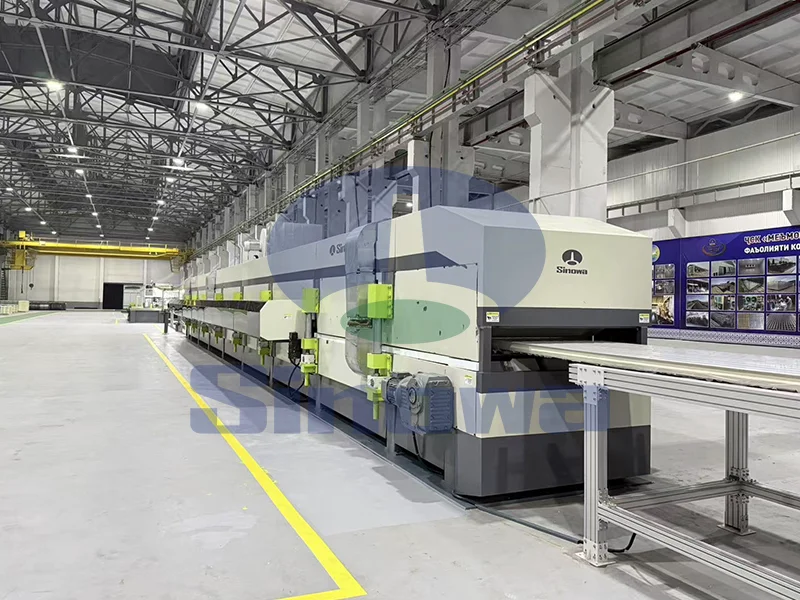
Subsequent stages of the line include precision cutting, edge trimming, and surface finishing modules, which tailor the panels to specified lengths, widths, and edge profiles. Automated cutting equipment operates with micron-level accuracy, cutting panels to custom sizes without fraying edges or damaging the foam core, while edge trimming ensures tight, interlocking joints that facilitate seamless on-site installation. Some advanced iterations of the line incorporate additional finishing steps, such as surface coating or embossing, to enhance weather resistance, aesthetic appeal, or scratch durability, further expanding the versatility of the end product. The entire line is governed by a centralized control system that synchronizes the speed of each module, monitors material flow, and adjusts processing parameters in real time, minimizing human error and ensuring consistent output quality. This structural design not only boosts production efficiency but also enables the line to adapt to varying panel specifications, thicknesses, and facing materials with minimal reconfiguration, making it a flexible solution for diverse manufacturing needs.
The performance attributes of panels produced via the continuous PU sandwich panel line are a direct result of the line’s precision engineering and controlled production environment, setting these products apart from conventionally manufactured composite panels. Foremost among these performance traits is exceptional thermal insulation, driven by the closed-cell structure of the rigid PU foam core. The tightly packed, air-tight cells of the PU foam minimize heat transfer through conduction, convection, and radiation, delivering ultra-low thermal conductivity values that far surpass traditional insulation materials. This superior thermal efficiency translates to significant energy savings in built environments, reducing the load on heating, ventilation, and air conditioning (HVAC) systems and maintaining stable internal temperatures regardless of external climatic conditions. Whether deployed in frigid polar regions or sweltering tropical zones, these panels retain thermal stability, making them indispensable for energy-conscious construction and temperature-sensitive applications.
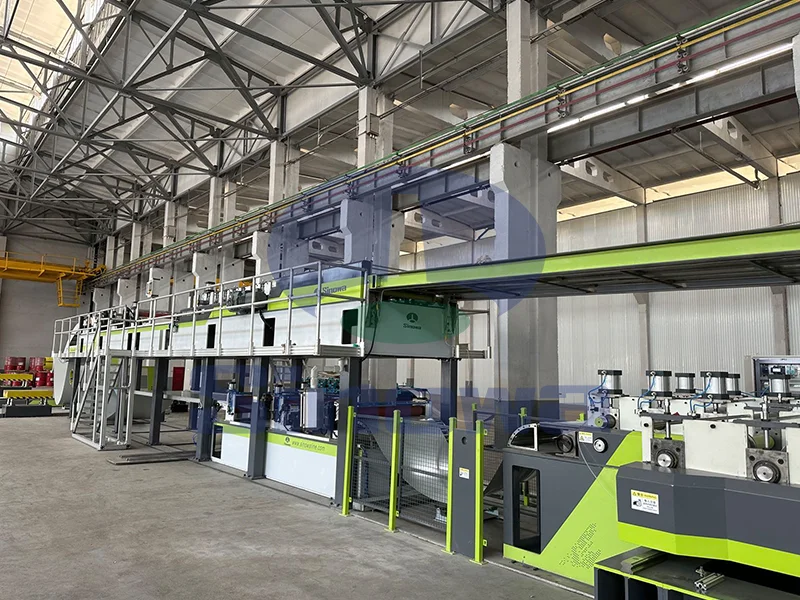
Structural performance is another defining advantage, as the sandwich panel design combines the tensile strength of the outer facings with the compressive strength of the PU foam core to create a lightweight yet load-bearing material. Despite their low overall density, which reduces dead load on building structures and simplifies transportation and installation, these panels exhibit remarkable resistance to bending, shear, and impact forces. They can withstand typical environmental loads, including wind suction, snow accumulation, and minor physical impacts, without warping, cracking, or delaminating. The continuous bonding process ensures that the facing layers and foam core act as a unified structural element, distributing stress evenly across the panel surface and eliminating weak points that could lead to premature failure. Additionally, the panels offer excellent dimensional stability, resisting expansion, contraction, or warping due to fluctuations in temperature and humidity, a critical feature for maintaining structural integrity over decades of use.
Beyond thermal and structural performance, panels from continuous production lines boast enhanced durability and weather resistance, tailored to withstand harsh operating conditions. The bonded facing-core structure repels moisture penetration, preventing water absorption that could degrade the foam core, reduce insulation efficiency, or foster mold and mildew growth. This moisture resistance is particularly vital for outdoor or high-humidity applications, where exposure to rain, snow, or condensation could compromise material performance. The panels also exhibit good chemical resistance, withstanding mild corrosive substances, oil, and grease, making them suitable for industrial environments with moderate chemical exposure. Furthermore, the consistent manufacturing process ensures uniform material density and composition across every panel, eliminating performance variations that are common in batch-produced materials and guaranteeing reliable, predictable performance in real-world applications.
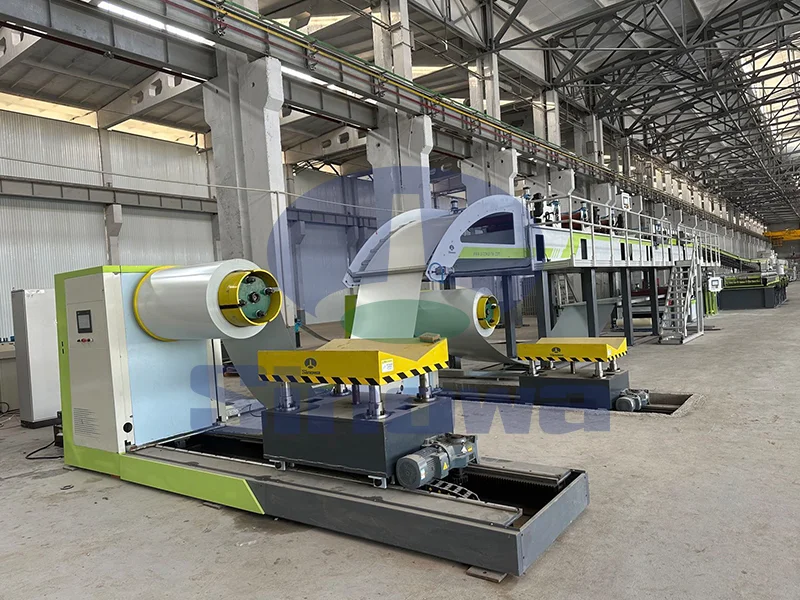
The flexibility of the continuous PU sandwich panel line extends to the wide range of panel varieties it can produce, each engineered to cater to specific functional and application needs, differentiated by facing material, core specifications, profile design, and intended use. One of the most prevalent categories is metal-faced PU sandwich panels, typically utilizing steel or aluminum as the outer facing material. Steel-faced panels offer maximum structural strength and impact resistance, ideal for heavy-duty industrial and commercial applications, while aluminum-faced panels prioritize lightweight properties and corrosion resistance, perfect for marine, coastal, or weight-sensitive projects. These metal-faced variants can be further customized with smooth, textured, or coated surfaces to enhance aesthetic appeal or weather protection, blending functionality with visual design.
Non-metallic faced PU sandwich panels represent another key variety, crafted with materials such as fiberglass-reinforced plastic (FRP), high-density fiberboard, or specialized composite facings. These variants are favored for applications requiring enhanced chemical resistance, electrical insulation, or a non-metallic surface, such as cleanrooms, laboratory facilities, or electrical equipment enclosures. FRP-faced panels, in particular, offer exceptional resistance to corrosion, UV radiation, and chemical degradation, making them suitable for harsh industrial or outdoor settings where metal facings would deteriorate over time. Additionally, the line can produce panels with varying core thicknesses and densities, ranging from thin, lightweight panels for interior partitioning to thick, heavy-duty panels for high-insulation, high-load applications; core density can be adjusted to fine-tune thermal performance and structural strength, aligning with specific project requirements.
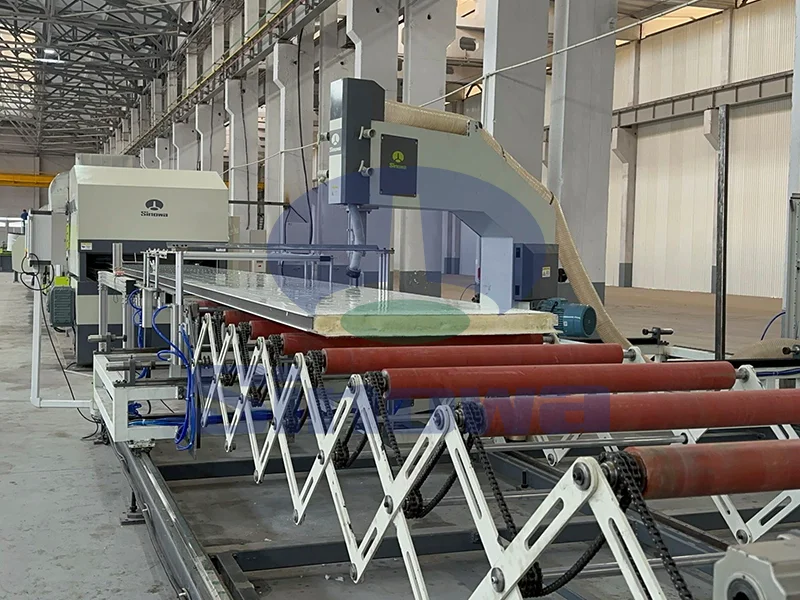
Panel profile and design further diversify the product range, with the continuous line capable of manufacturing flat panels, corrugated panels, tongue-and-groove interlocking panels, and profiled roof or wall panels. Flat panels are versatile for general construction and interior applications, offering a smooth, uniform surface for easy finishing and installation. Corrugated and profiled panels enhance structural load-bearing capacity, making them ideal for roofing systems and exterior wall cladding that requires added resistance to environmental loads. Interlocking tongue-and-groove panels streamline on-site assembly, creating airtight, watertight joints that boost thermal efficiency and structural stability, eliminating the need for excessive sealing materials. Specialized variants, such as fire-retardant PU sandwich panels, are also produced by modifying the foam core formulation during the mixing stage, enhancing fire resistance without compromising core insulation or structural performance; these panels are engineered to slow flame spread and limit smoke emission, meeting stringent safety requirements for high-risk environments.
The combined merits of structural reliability, thermal efficiency, and design versatility position PU sandwich panels from continuous production lines as a go-to material across an extensive spectrum of industries and applications, spanning construction, cold chain logistics, agriculture, manufacturing, and specialized infrastructure. In the construction sector, these panels dominate both residential and commercial building projects, serving as exterior wall cladding, roof insulation, interior partition walls, and ceiling panels. Their lightweight nature reduces construction time and labor costs, as panels can be quickly prefabricated and installed without heavy machinery, while their thermal insulation properties contribute to green building certifications and sustainable construction practices. For commercial structures such as office buildings, shopping malls, and exhibition centers, the panels offer a balance of aesthetic flexibility and performance, with customizable facings that align with modern architectural designs.
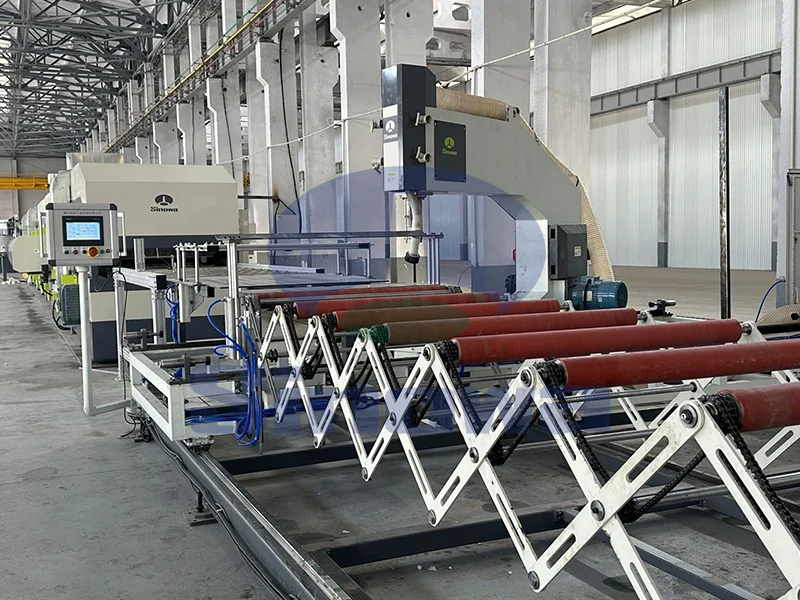
Industrial construction represents one of the largest application areas, where PU sandwich panels are used to build warehouses, manufacturing facilities, logistics centers, and industrial workshops. The panels’ load-bearing capacity supports the demands of heavy industrial use, while their thermal insulation helps maintain consistent working temperatures and reduce energy costs for large-scale industrial spaces. Their resistance to impact and wear also ensures long-term durability in high-traffic industrial environments, with minimal maintenance required over the lifespan of the structure. For large-span industrial buildings, the panels’ ability to bridge wide gaps reduces the need for excessive support structures, optimizing interior space and lowering overall construction material costs.
Cold chain and refrigeration applications rely heavily on PU sandwich panels due to their unparalleled thermal insulation performance, making them indispensable for cold storage warehouses, refrigerated transport containers, blast freezers, and temperature-controlled processing facilities. The panels’ ability to maintain stable low temperatures minimizes energy consumption for refrigeration systems, preventing temperature fluctuations that could compromise the quality of perishable goods such as food, pharmaceuticals, and biological samples. The airtight, moisture-resistant structure of the panels also prevents frost buildup and condensation within cold storage spaces, preserving the integrity of the insulation core and extending the service life of refrigeration equipment. From small-scale cold rooms to large-scale industrial cold chains, these panels provide a reliable, energy-efficient solution for temperature-sensitive storage and logistics.
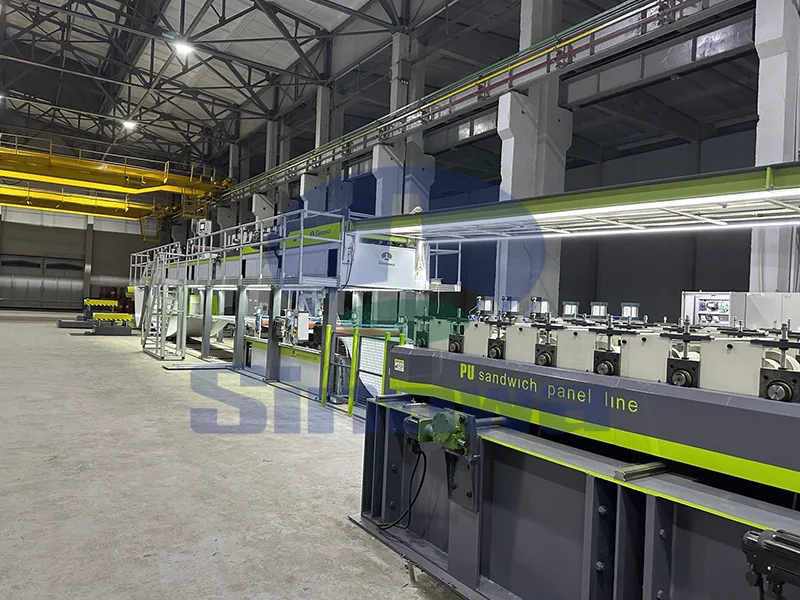
Agricultural infrastructure is another key application domain, where PU sandwich panels are used to construct greenhouses, livestock barns, poultry houses, and agricultural storage facilities. In greenhouses, the panels regulate internal temperature and humidity, creating optimal growing conditions for crops while reducing energy consumption for climate control; their light-transmissive variants (when paired with appropriate facings) allow for controlled sunlight penetration, supporting plant growth without excessive heat loss. For livestock farming, the panels provide insulated, hygienic, and durable housing, maintaining comfortable temperatures for animals year-round and resisting moisture and waste accumulation that could harm livestock health. The smooth, non-porous surface of the panels also simplifies cleaning and sanitation, aligning with strict agricultural hygiene standards.
Specialized controlled environments, including cleanrooms, laboratories, pharmaceutical manufacturing facilities, and electronics production plants, depend on PU sandwich panels for their seamless, hygienic, and thermally stable properties. The panels’ smooth, joint-free surfaces prevent dust, bacteria, and particulate accumulation, a critical requirement for maintaining sterile conditions in sensitive manufacturing and research settings. Their structural rigidity supports the installation of overhead fixtures, ductwork, and filtration systems, while their thermal insulation ensures consistent temperature and humidity levels essential for precision manufacturing and scientific testing. Additionally, the panels’ fire-retardant variants enhance safety in these high-stakes environments, mitigating fire risks and protecting valuable equipment and research materials.
Beyond these core sectors, PU sandwich panels find use in transportation and modular construction, serving as interior and exterior panels for refrigerated trucks, trailers, shipping containers, and prefabricated modular buildings. Their lightweight composition reduces the overall weight of transport vehicles, improving fuel efficiency, while their insulation properties maintain temperature control for perishable cargo. In modular construction, the panels enable the rapid assembly of portable offices, emergency shelters, temporary housing, and site facilities, offering a durable, insulated, and cost-effective alternative to traditional building materials. The adaptability of the panels, paired with the scalability of the continuous production line, ensures that they can meet the unique demands of niche applications, from marine structures to industrial equipment enclosures, solidifying their role as a versatile, high-performance material in modern engineering and manufacturing.
In summary, the continuous PU sandwich panel line represents a pinnacle of automated manufacturing excellence, merging innovative structural design, precise process control, and adaptable production capabilities to deliver PU sandwich panels with unrivaled performance and versatility. The line’s integrated modular structure streamlines production, ensures consistent quality, and accommodates a diverse range of panel varieties, each tailored to specific thermal, structural, and application requirements. The resulting panels excel in thermal insulation, structural strength, durability, and weather resistance, addressing critical needs across construction, cold chain, agriculture, industrial manufacturing, and specialized infrastructure. As global demand for energy-efficient, sustainable, and high-performance building materials continues to rise, the continuous PU sandwich panel line remains an indispensable asset, driving innovation in composite material production and enabling the development of resilient, eco-friendly structures and facilities worldwide. Its ability to balance manufacturing efficiency with product performance cements its status as a key technology shaping the future of modern industrial and construction materials.
« Continuous PU Sandwich Panel Line » Update Date: 2026/4/14
URL: https://m.sinowa.cn/blog/continuous-pu-sandwich-panel-line.html
Materials of Continuous PU Sandwich Panel Line
2026-05-25The continuous PU sandwich panel production line relies on a systematic combination of structural and functional materials to manufacture high-performance composite building panels, where every type of raw material direct…Custom Continuous PU Sandwich Panel Line
2026-04-14In the modern construction and manufacturing industries, polyurethane (PU) sandwich panels have become indispensable materials due to their exceptional combination of thermal insulation, structural strength, lightweight p…Continuous PU Sandwich Panel Line Manufacturer
2026-04-09The global demand for efficient, high-performance building and industrial materials has driven significant advancements in manufacturing technologies, with continuous PU sandwich panel lines emerging as a cornerstone of m…Discontinuous PU Sandwich Panel Line For House
2024-06-06Reliable Discontinuous PU Sandwich Panel Line
2024-05-29Discontinuous PU Sandwich Panel Line For Wall
2024-05-22Low Price Discontinuous PU Sandwich Panel Line
2024-05-20Discontinuous PU Sandwich Panel Line Manufacturing
2024-05-15Discontinuous PU Sandwich Panel Line From China
2024-04-26High Efficiency Discontinuous PU Sandwich Panel Line
2024-04-18
A pu sandwich panel line stands as a highly efficient and automated production solution dedicated to manufacturing high-performance insulated panels, playing a vital role in modern construction and industrial engineering sectors. This integrated production system streamlines the entire manufacturing process, starting with the uncoiling and leveling of outer facing materials, which are carefully treated to ensure flat, smooth surfaces free of defects and suitable for subsequent bonding. Next comes the core production step: precise mixing and uniform distribution of polyurethane raw materials, where specialized equipment controls the ratio and flow rate strictly to guarantee consistent foam density and stable bonding performance between the core and facings. The pu sandwich panel machine features a controlled curing and forming system that maintains stable temperature and pressure conditions, allowing the polyurethane foam to fully expand, solidify and bond tightly with the upper and lower layers, forming a rigid, durable sandwich structure. Post-forming, the panels go through accurate cutting and finishing processes to meet diverse size specifications demanded by different projects. Designed for continuous operation, this pu sandwich panel production line boosts manufacturing efficiency remarkably while ensuring uniform product quality across batches, reducing manual errors and material waste effectively. The finished PU sandwich panels deliver outstanding thermal insulation, sound absorption and structural strength, making them widely applicable in building roofs, walls, cold storage facilities and industrial workshops, adapting to various environmental and functional needs with reliable performance and long service life.