- Home
- Sandwich Panel Line
- Roll Forming Machine
- CZ Purlin Roll Forming Machine
- Door Window Curtain Partition Roll Forming Machine
- Gutter Roll Forming Machine
- Clean Partition Panel Machine
- Corrugated Panel Roll Forming Machine
- Double Layer Roof Roll Forming Machine
- High Speed Keel Roll Forming Machine
- Light Steel-Frame Structure Production Line
- C Channel Roll Forming Machine
- Insulated Panels
- Steel Profiles
- About
- Contact
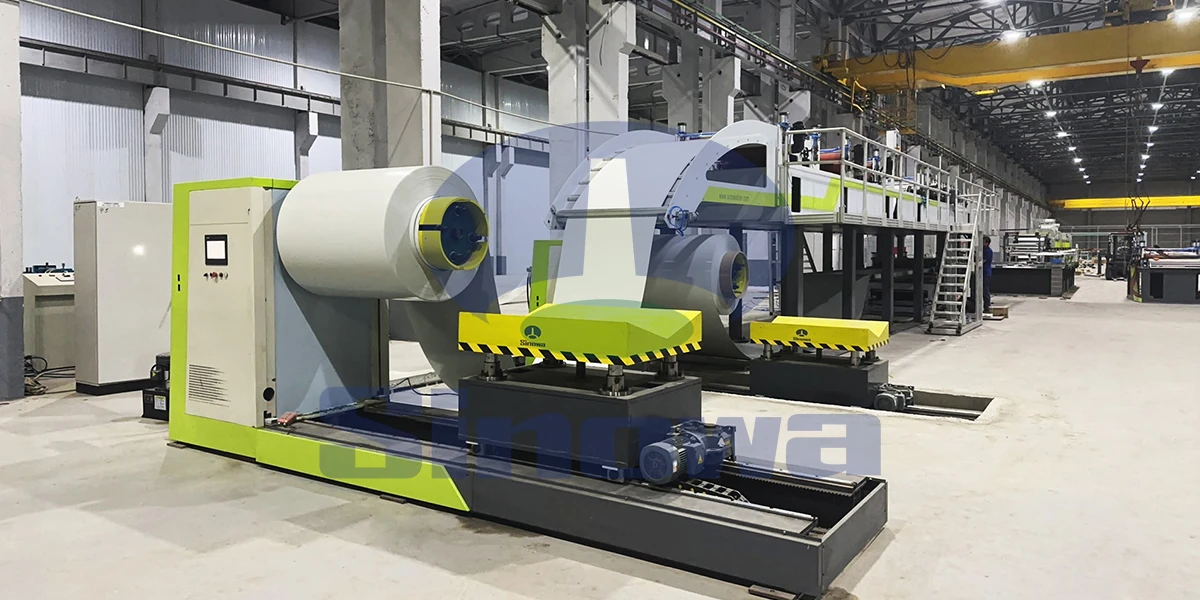
PU Panel Machine
Sinowa is a pu panel machine supplier from china, design and custom-made pu panel machine, know more about pu panel machine, pls contact us, we will contact you as soon as possible!
Polyurethane (PU) panel machines stand as pivotal pieces of industrial equipment dedicated to the mass production of high-performance PU composite panels, integrating mechanical engineering, precision electrical control, and chemical foaming technology into a cohesive and efficient production system. These machines have reshaped multiple industrial sectors by streamlining the manufacturing of panels with exceptional thermal insulation, structural stability, and durability, catering to the evolving demand for energy-efficient and high-quality building and industrial materials. Unlike basic manufacturing equipment, PU panel machines are engineered with a modular, integrated structure that supports seamless workflow coordination, from raw material handling to finished panel stacking, eliminating manual bottlenecks and ensuring consistent output quality across large production runs. Every component of the machine is designed to work in tandem, with each functional module optimized to enhance the overall efficiency, precision, and reliability of the panel manufacturing process, making it a cornerstone of modern composite material production.
Sinowa dedicated to the research and development of high-end and high-efficiency Sandwich Panel Production Line, Sinowa is comprehensively taking the leading position in terms of efficiency, automation control level, HMI, environment protection and energy consumption, with subversive designs made in some critical technological fields to procure exceptional cost performance and customer-friendly experience for the entire production line. The adoption of system integration technology and bus control technology accomplishes the full automatization of integrated and coordinated control of the entire production line with accessible remote interactive communication. Ranking the first-class level in the world, it is currently the PU Sandwich Panel Machine in the market taking a comprehensive lead in high performance.
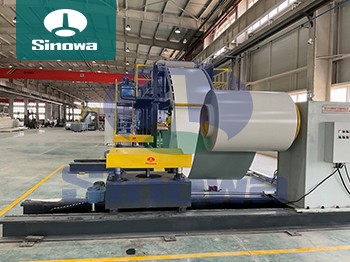
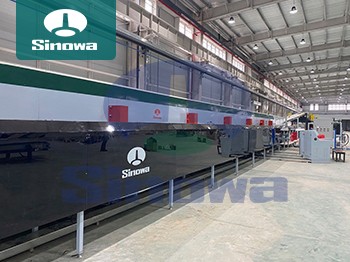
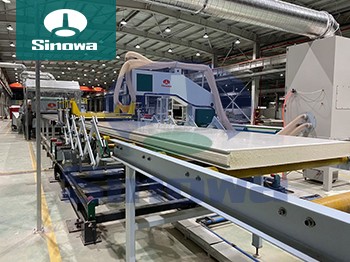
Sinowa is a well-known manufacturer and technical service provider of high-end PU Sandwich Panel Machines and various high-performance Cold Roll Forming Machine in China. Our main products include polyurethane double-sided color steel Sandwich Panel Production Line, polyurethane and phenolic soft facing insulation panel production line and high-efficiency roll forming lines.
Sinowa is committed to the development and manufacturing of high-end and high-efficiency Sandwich Panel Lines. Our production lines are leading the way in efficiency, automatic control, human-computer interaction, environmental protection and energy consumption. Using system integration and bus control technology, it realizes the automatic integrated linkage control of the entire production line, and can achieve remote interactive communication, which has the world-class level and a comprehensive leading high-performance production line in the market.
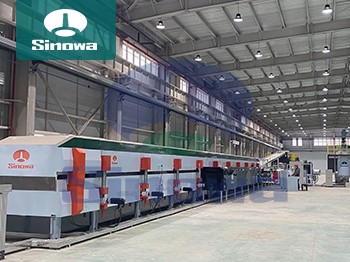
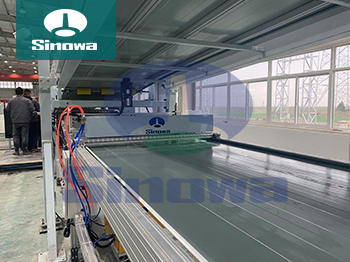
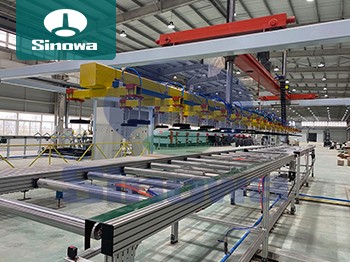
For more than ten years, we have never deliver two same lines to our client, there are all the crystallization of continuous improvement, we have been trying to surpass ourselves, create better products to serve our customers, and also accumulate our brand value, become a unique Chinese enterprise, we are no longer synonymous with low price and mediocre quality.
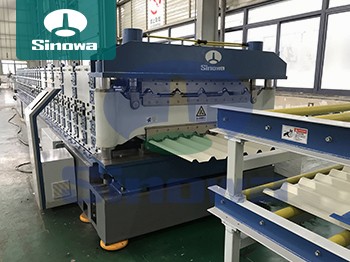
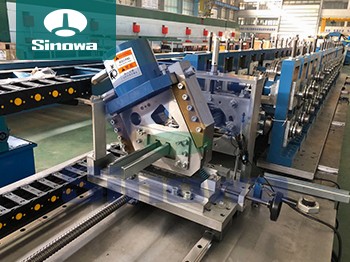
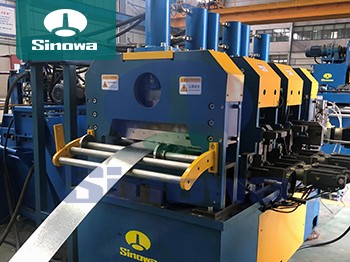
Since 2014, we have established our Cold Forming Machine design and manufacturing department, started our R&D and production of high-end cold forming equipment. Base on our innovative and high-end and efficient product concepts,In just a few years, we have created our own impressive achievements in this field. Whether ordinary construction products of Roll Forming Machine, or precision steel pipe equipment, elevator profile equipment, automotive profile equipment, precision door and window profile equipment, we are the leader of Chinese equipment with high efficiency, high quality and beautiful appearance design.
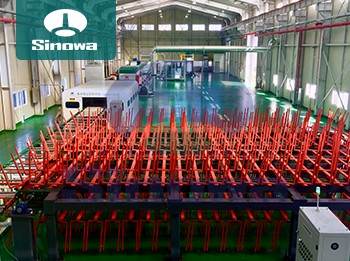
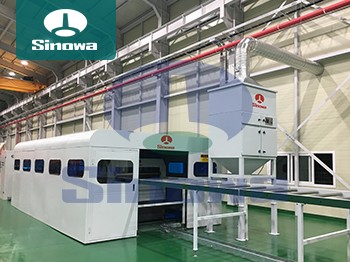
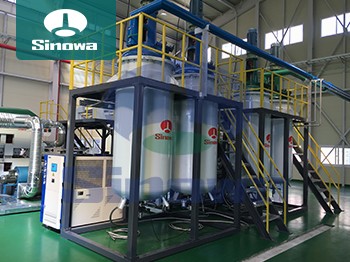
For more than ten years, relying on our innovative manufacturing concept and excellence in quality, reliable and trustworthy service to customers, we cooperate with customers all over the world, exported products to Canada, South Korea, Israel, Australia, the Middle East and other more than 20 countries and regions. contributed to building energy conservation and low-carbon production and have won widespread praise.
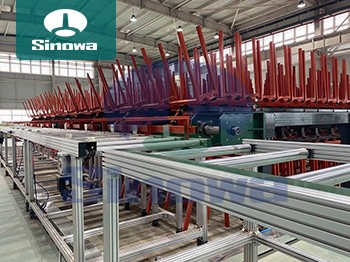
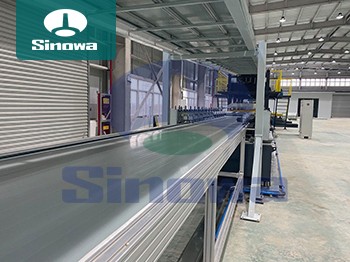
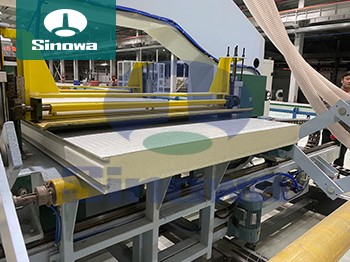
Sinowa has invested outstanding efforts in both the Continuous Insulated PU Sandwich Panel Production Line and the Roll Forming Line, This is why our products are more efficiency, quality, automatic control technology, environmental protection, energy consumption indicators and the appearance and safety protection are comprehensively leading, Some subversive design changes in many major technical points,these major innovations make our products excellent in price/performance and user experience.
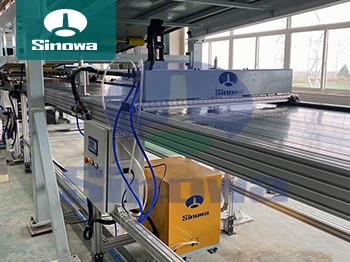
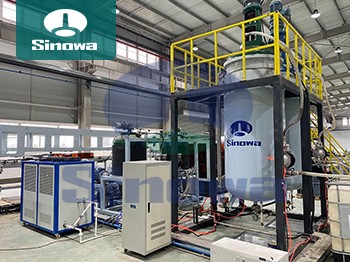
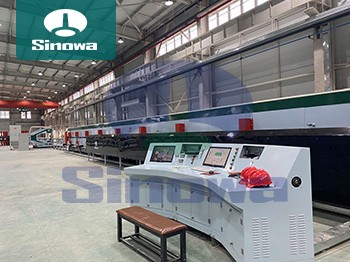
We always position our PU Sandwich Panel Line in a very high standard, strictly optimize every design for more progress. Our continuous innovation, continuous improvement of the technical design principles make us improved product updates and always pay attention to high efficiency, energy saving and stability, reduce customer worries, become their reliable business partners.
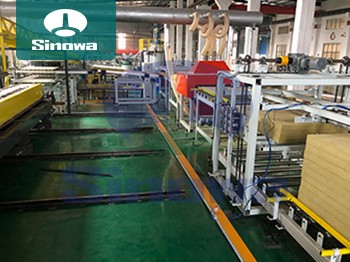
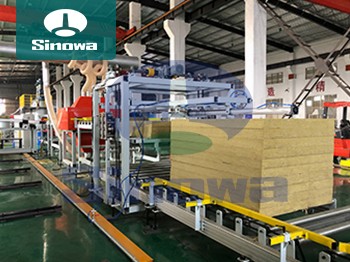
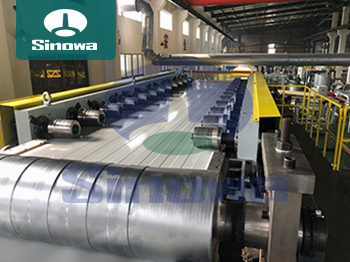
Sinowa Engineering Technology Research Center has always focused on technology research and development. we achieved a large number of scientific research results and unique patented process technology in related product research and development t every year, we continuously improve our products to have high precision and high stability in practical applications, and provide high quality for customers all over the world. Excellent technical personnel, continuous R&D investment and the technical concept of "continuous innovation and continuous improvement" are the strong guarantee for Sinowa to stand out from competitors.
Our focus is not on cost, we always pay attention to the quality of the product and how to do it better!
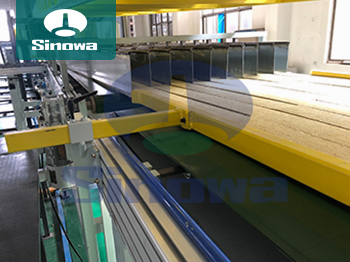
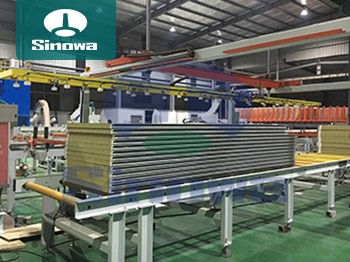
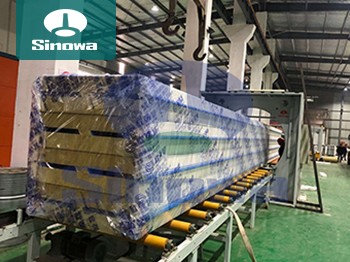
Production process control is a core part of implementing product planning and implementing quality control, which we establish A full range of production management processes and product logistics systems. We firmly believe that production without control and rules will only produce garbage products, so we pay more attention to first-class production control training while establishing a first-class production workshop, strictly follow the 5S management concept, establish systems and standards, ensure that our Sandwich Panel Machines are qualified throughout the process, achieve the technical goals of the company's products to achieve our brand value.
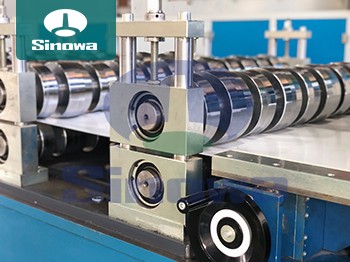
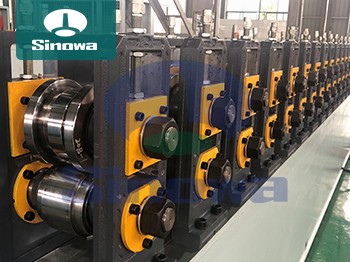
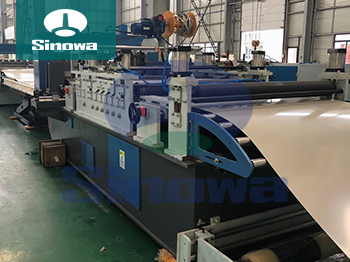
Sinowa has a very comprehensive quality control system, has a group of professional quality control personnel, familiar with almost all testing methods and standards in the field of machining, established a complete mechanical and chemical laboratory with which can fully control all quality links and ensure that all data are accurate, timely optional and available.
Relying on our good Sandwich Panel Machine quality and trustworthy service, our products are exported to more than a dozen countries in the world, and the service field continues to expand, winning more and more praise. Every customer will be our best friend!
At the core of a PU panel machine’s design lies its robust, well-organized structural framework, which is divided into several interconnected functional units that execute distinct production tasks in a sequential, automated manner. The initial stage of the machine features a raw material feeding and preparation system, which is tasked with handling the outer facing materials of the panels—typically metal sheets, aluminum coils, or other durable composite layers—and the liquid PU raw materials, including polyols and isocyanates. This unit is equipped with precision uncoiling devices, leveling mechanisms, and positioning fixtures to ensure that the outer panels are fed into the production line smoothly, without warping, misalignment, or surface damage. The feeding system is paired with adjustable tension controls and guide rails, which maintain consistent material alignment throughout the process, preventing deviations that could compromise the final panel’s dimensional accuracy or structural integrity. Following the feeding unit, the pre-treatment and pre-heating module takes over, gently heating the outer facing materials to a controlled temperature range that optimizes adhesion with the PU foam core and promotes uniform foaming and curing downstream; this step is critical for eliminating moisture, enhancing bond strength, and reducing the risk of foam delamination or uneven density.
The heart of the PU panel machine is the high-precision foaming and mixing unit, which governs the chemical reaction and expansion of the PU raw materials to form the panel’s insulating core. This unit consists of a precision metering system, a dynamic mixing chamber, and a specialized injection mechanism, all engineered to deliver exact ratios of the PU components with minimal variation. The metering system uses pressure-stabilized pumps and flow regulators to ensure that polyols and isocyanates are mixed in precise proportions, a factor that directly impacts the foam’s density, hardness, and thermal performance. The mixing chamber operates at a controlled temperature and pressure to facilitate a complete, uniform chemical reaction, avoiding unreacted raw materials, air bubbles, or inconsistent foam texture that would weaken the final product. The injection nozzle is designed for even distribution of the mixed PU compound onto the lower facing panel, with adjustable spray patterns and flow rates to accommodate different panel thicknesses and widths. Adjacent to the mixing unit is the double-belt pressing and curing system, which is responsible for shaping the panel and facilitating the full curing of the PU foam core. This system features two parallel, heat-regulated conveyor belts with adjustable spacing, driven by synchronized motors to maintain a steady, uniform speed. The belts apply consistent, gentle pressure across the entire surface of the panel, compressing the expanding PU foam to the desired thickness and ensuring tight bonding between the foam core and outer facing layers. Integrated heating elements within the belts maintain a stable curing temperature, accelerating the cross-linking reaction of the PU material and reducing curing time without compromising the foam’s structural properties; the belt surfaces are treated to prevent adhesion and ensure a smooth, flawless finish on the final panels.
Beyond the core production modules, the PU panel machine includes a precision cutting and finishing unit, as well as an automated stacking and handling system to complete the production cycle. The cutting module is equipped with high-speed, servo-driven cutting blades and edge-trimming tools, programmed to cut the continuous panel strip into predefined lengths and widths with tight dimensional tolerances. It features real-time positioning sensors and clamping mechanisms to prevent panel movement during cutting, ensuring clean, burr-free edges and consistent sizing across all finished panels. The edge-trimming function removes excess material and refines the panel edges, preparing them for seamless installation in end-use applications. The stacking and handling unit uses pneumatic or mechanical manipulators to gently lift, sort, and stack the finished panels, minimizing surface scratches and breakage while reducing manual labor. This unit can be adjusted to handle different panel sizes and stacking configurations, supporting efficient storage and subsequent transportation. The entire machine is controlled by a centralized electrical control system, featuring a user-friendly operation interface that allows operators to adjust production parameters such as feeding speed, curing temperature, foam ratio, and cutting dimensions with ease. The control system also includes real-time monitoring and fault detection capabilities, alerting operators to potential issues such as material jams, temperature fluctuations, or pressure anomalies to prevent production disruptions and maintain consistent output quality.
The performance attributes of PU panel machines are what set them apart as indispensable industrial assets, combining high efficiency, precision, versatility, and durability to meet diverse production demands. One of the most prominent performance features is their high degree of automation, which minimizes human intervention across the production process, reduces labor costs, and eliminates errors associated with manual operation. From raw material feeding to finished panel stacking, the entire workflow operates continuously and autonomously, with the control system maintaining stable parameters to ensure uniform panel quality regardless of production volume. This automation also translates to exceptional production efficiency, with continuous models capable of sustaining high linear production speeds to meet large-scale market demand, while maintaining consistent quality even during extended operating hours. Precision is another hallmark of these machines, with tight control over dimensional tolerances, foam density, and panel thickness; the precision metering and mixing systems ensure that the PU foam core has uniform density throughout, avoiding weak spots or inconsistent insulation performance, while the double-belt system and cutting unit guarantee that each panel meets exact size specifications, facilitating easy installation and compatibility in construction and industrial projects.
PU panel machines also exhibit outstanding adaptability and flexibility, capable of producing panels of varying thicknesses, widths, and specifications by simply adjusting operational parameters via the control system, without requiring extensive hardware modifications. This flexibility allows manufacturers to cater to custom orders and diverse application needs with minimal downtime, enhancing production versatility and market responsiveness. The machines are built with durability and long-term reliability in mind, constructed with heavy-duty, wear-resistant materials for key components such as conveyor belts, mixing chambers, and cutting blades to withstand continuous, high-intensity operation. The structural frame is engineered to resist deformation under prolonged use, maintaining operational stability and extending the machine’s service life. Additionally, modern PU panel machines are designed with environmental sustainability in mind, incorporating features to reduce material waste, energy consumption, and emissions. Precision metering minimizes excess PU raw material usage, while optimized heating systems reduce energy waste during the curing process; many machines also support the use of eco-friendly foaming agents that align with global environmental standards, lowering the ecological impact of production without sacrificing panel performance.
PU panel machines are categorized into distinct types based on production process, panel specifications, and application scenarios, each tailored to specific production scales and functional requirements, ensuring that manufacturers can select the ideal model for their operational needs. The primary classification is based on production mode, dividing machines into continuous production PU panel machines and discontinuous (batch) production PU panel machines. Continuous production models are designed for large-scale, high-volume manufacturing, featuring a fully integrated, uninterrupted workflow that processes raw materials into finished panels in a single, continuous line. These machines are ideal for large manufacturing facilities with steady, high demand, offering unmatched production efficiency and consistent panel quality across massive output volumes. Discontinuous production machines, by contrast, operate in batch cycles, producing panels in smaller quantities with more frequent start-stop operations; these models are more compact, cost-effective, and suitable for small to medium-scale manufacturers, custom panel production, or facilities with limited production space. Despite their lower output, discontinuous machines maintain high precision and quality, making them a practical choice for niche or specialized production needs.
Another key classification is based on the type of PU panels produced, distinguishing between rigid PU panel machines and flexible PU panel machines, as well as composite PU panel machines that integrate additional materials for enhanced performance. Rigid PU panel machines are engineered to manufacture panels with a dense, rigid closed-cell foam core, which delivers exceptional thermal insulation, compressive strength, and dimensional stability; these panels are designed for applications requiring structural load-bearing capacity and superior heat retention. Flexible PU panel machines produce panels with a softer, open-cell foam core, prioritizing elasticity, sound absorption, and cushioning properties over rigid structural strength, suitable for applications that demand flexibility and acoustic insulation. Composite PU panel machines are specialized models that incorporate additional layers such as mineral wool, glass fiber, or other reinforcing materials into the panel structure, combining the thermal insulation of PU foam with the enhanced fire resistance, soundproofing, or structural strength of secondary materials. These composite machines offer greater versatility, producing panels that meet stringent performance standards for high-demand environments.
PU panel machines can also be classified by panel application, including specialized models for construction panels, cold chain storage panels, industrial insulation panels, and decorative interior panels. Construction-focused machines are optimized for producing panels used in building exteriors, roofs, and partition walls, prioritizing weather resistance, structural durability, and thermal efficiency. Cold chain-specific machines are calibrated to manufacture panels with ultra-high thermal insulation and airtightness, critical for maintaining stable low temperatures in refrigerated spaces. Industrial insulation machines focus on panels for pipeline insulation, equipment enclosures, and factory facilities, emphasizing heat retention, corrosion resistance, and durability under harsh industrial conditions. Decorative panel machines are tailored for interior applications, with a focus on smooth surface finishes, customizable sizes, and lightweight properties to support aesthetic design needs.
The versatility of PU panel machines and the high performance of the panels they produce have led to their widespread adoption across a vast array of industries, with applications spanning construction, cold chain logistics, industrial manufacturing, transportation, and interior design. In the construction industry, PU panels manufactured by these machines are among the most widely used energy-efficient building materials, applied extensively in industrial workshops, warehouses, commercial buildings, residential structures, and prefabricated housing. The panels’ exceptional thermal insulation properties reduce energy consumption for heating and cooling, lowering long-term operational costs for buildings, while their lightweight yet sturdy structure eases transportation and installation, speeding up construction timelines and reducing labor expenses. PU wall panels and roof panels provide reliable weather protection, noise reduction, and thermal stability, making them suitable for a wide range of architectural styles and building types, from large industrial complexes to modern residential developments.
The cold chain and refrigeration sector represents another major application area for PU panel machines, as the panels they produce are the material of choice for cold storage warehouses, refrigerated trucks, refrigerated containers, and commercial refrigeration equipment. The closed-cell structure of rigid PU foam delivers an extremely low thermal conductivity coefficient, creating an effective barrier against heat transfer and maintaining consistent low temperatures inside refrigerated spaces. This superior insulation performance preserves the quality and freshness of perishable goods such as food, pharmaceuticals, and biological samples during storage and transportation, reducing energy waste from constant refrigeration and ensuring compliance with strict temperature control standards. The panels’ moisture resistance and airtightness also prevent condensation and frost buildup inside cold storage facilities, extending the service life of the refrigeration equipment and maintaining a stable internal environment.
In industrial manufacturing, PU panels produced by these machines serve as critical insulation materials for industrial pipelines, heating equipment, chemical storage tanks, and factory workshops. The panels’ heat resistance, corrosion resistance, and thermal stability make them ideal for insulating high-temperature or corrosive industrial equipment, reducing heat loss, improving energy efficiency, and protecting workers from high surface temperatures. They are also used to create insulated partitions in industrial facilities, separating high-temperature work zones from general production areas and enhancing workplace safety and comfort. In the transportation industry, PU panels are widely used in the bodywork of refrigerated vehicles, railway carriages, and marine vessels, thanks to their lightweight construction that reduces overall vehicle weight, improving fuel efficiency, while providing reliable thermal insulation and structural support.
Beyond these core sectors, PU panel machines support applications in interior design, automotive manufacturing, and renewable energy infrastructure. In interior design, flexible and decorative PU panels are used for wall cladding, ceiling finishes, and soundproofing partitions, offering aesthetic versatility, lightweight installation, and effective acoustic insulation to enhance indoor comfort. In automotive production, PU panels are utilized for interior trim, insulation layers, and structural components, leveraging their lightweight, shock-absorbent, and insulating properties to improve vehicle performance and passenger comfort. In renewable energy, PU panels are employed in insulation for solar energy systems, wind turbine enclosures, and energy storage facilities, supporting the efficient operation of clean energy infrastructure by maintaining stable temperatures and protecting critical equipment from environmental damage.
As global demand for energy-efficient, sustainable materials continues to rise, PU panel machines remain at the forefront of composite panel manufacturing, with ongoing technological advancements enhancing their performance, flexibility, and environmental compatibility. Ongoing innovations in control systems, foaming technology, and structural design are further improving production efficiency, reducing material waste, and expanding the range of panel types that can be produced. The adaptability of these machines to evolving industry standards and application needs ensures their enduring relevance across multiple sectors, solidifying their role as essential equipment for modern manufacturing. Whether supporting large-scale commercial construction, critical cold chain logistics, or specialized industrial applications, PU panel machines deliver consistent, high-quality panels that drive efficiency, sustainability, and performance in countless end-use scenarios, making them an indispensable part of the global industrial landscape.
« PU Panel Machine » Update Date: 2026/3/11
Tags:
URL: https://m.sinowa.cn/blog/pu-panel-machine.html
A pu sandwich panel line stands as a highly efficient and automated production solution dedicated to manufacturing high-performance insulated panels, playing a vital role in modern construction and industrial engineering sectors. This integrated production system streamlines the entire manufacturing process, starting with the uncoiling and leveling of outer facing materials, which are carefully treated to ensure flat, smooth surfaces free of defects and suitable for subsequent bonding. Next comes the core production step: precise mixing and uniform distribution of polyurethane raw materials, where specialized equipment controls the ratio and flow rate strictly to guarantee consistent foam density and stable bonding performance between the core and facings. The pu sandwich panel machine features a controlled curing and forming system that maintains stable temperature and pressure conditions, allowing the polyurethane foam to fully expand, solidify and bond tightly with the upper and lower layers, forming a rigid, durable sandwich structure. Post-forming, the panels go through accurate cutting and finishing processes to meet diverse size specifications demanded by different projects. Designed for continuous operation, this pu sandwich panel production line boosts manufacturing efficiency remarkably while ensuring uniform product quality across batches, reducing manual errors and material waste effectively. The finished PU sandwich panels deliver outstanding thermal insulation, sound absorption and structural strength, making them widely applicable in building roofs, walls, cold storage facilities and industrial workshops, adapting to various environmental and functional needs with reliable performance and long service life.