- Home
- Sandwich Panel Line
- Roll Forming Machine
- CZ Purlin Roll Forming Machine
- Door Window Curtain Partition Roll Forming Machine
- Gutter Roll Forming Machine
- Clean Partition Panel Machine
- Corrugated Panel Roll Forming Machine
- Double Layer Roof Roll Forming Machine
- High Speed Keel Roll Forming Machine
- Light Steel-Frame Structure Production Line
- C Channel Roll Forming Machine
- Insulated Panels
- Steel Profiles
- About
- Contact
PUF Panel Making Machine
Sinowa is a puf panel making machine supplier from china, design and custom-made puf panel making machine, know more about puf panel making machine, pls contact us, we will contact you as soon as possible!
PUF panel making machines are specialized production systems engineered to manufacture polyurethane foam (PUF) sandwich panels, which consist of a rigid PUF core bonded between two facing materials such as metal sheets, aluminum foil, non-woven fabric, or paper. These machines play a critical role in modern construction, cold chain logistics, and industrial manufacturing by enabling the mass production of panels with exceptional thermal insulation, structural strength, and dimensional consistency. The design, structure, and operational characteristics of PUF panel making machines vary significantly based on production scale, panel specifications, and application requirements, with two primary configurations dominating the market: continuous production lines and discontinuous (batch) production systems.
Sinowa dedicated to the research and development of high-end and high-efficiency Sandwich Panel Production Line, Sinowa is comprehensively taking the leading position in terms of efficiency, automation control level, HMI, environment protection and energy consumption, with subversive designs made in some critical technological fields to procure exceptional cost performance and customer-friendly experience for the entire production line. The adoption of system integration technology and bus control technology accomplishes the full automatization of integrated and coordinated control of the entire production line with accessible remote interactive communication. Ranking the first-class level in the world, it is currently the PU Sandwich Panel Machine in the market taking a comprehensive lead in high performance.
Sinowa is a well-known manufacturer and technical service provider of high-end PU Sandwich Panel Machines and various high-performance Cold Roll Forming Machine in China. Our main products include polyurethane double-sided color steel Sandwich Panel Production Line, polyurethane and phenolic soft facing insulation panel production line and high-efficiency roll forming lines.
Sinowa is committed to the development and manufacturing of high-end and high-efficiency Sandwich Panel Lines. Our production lines are leading the way in efficiency, automatic control, human-computer interaction, environmental protection and energy consumption. Using system integration and bus control technology, it realizes the automatic integrated linkage control of the entire production line, and can achieve remote interactive communication, which has the world-class level and a comprehensive leading high-performance production line in the market.
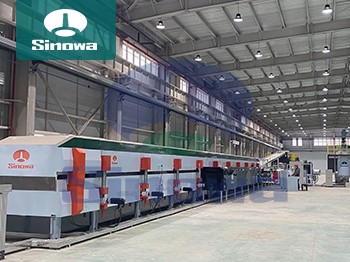
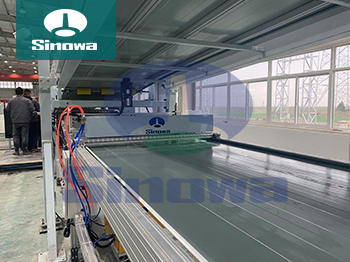
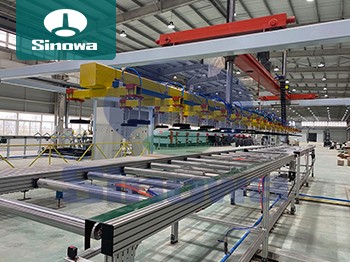
For more than ten years, we have never deliver two same lines to our client, there are all the crystallization of continuous improvement, we have been trying to surpass ourselves, create better products to serve our customers, and also accumulate our brand value, become a unique Chinese enterprise, we are no longer synonymous with low price and mediocre quality.
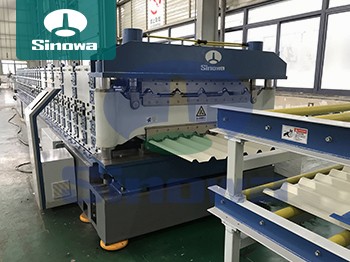
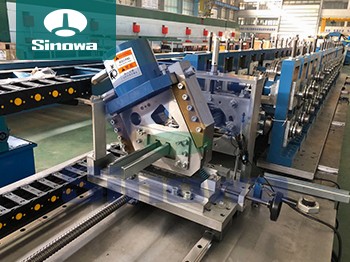
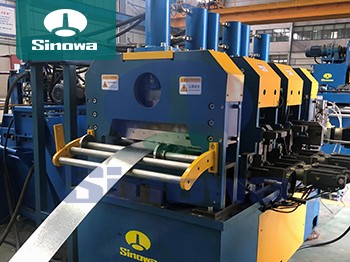
Since 2014, we have established our Cold Forming Machine design and manufacturing department, started our R&D and production of high-end cold forming equipment. Base on our innovative and high-end and efficient product concepts,In just a few years, we have created our own impressive achievements in this field. Whether ordinary construction products of Roll Forming Machine, or precision steel pipe equipment, elevator profile equipment, automotive profile equipment, precision door and window profile equipment, we are the leader of Chinese equipment with high efficiency, high quality and beautiful appearance design.
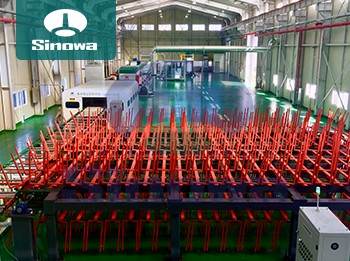
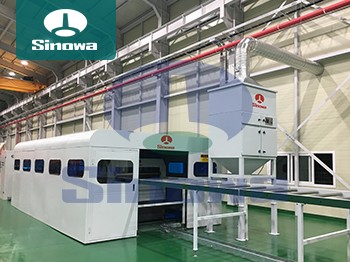
For more than ten years, relying on our innovative manufacturing concept and excellence in quality, reliable and trustworthy service to customers, we cooperate with customers all over the world, exported products to Canada, South Korea, Israel, Australia, the Middle East and other more than 20 countries and regions. contributed to building energy conservation and low-carbon production and have won widespread praise.
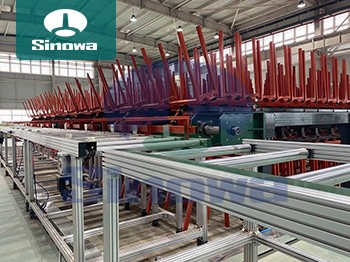
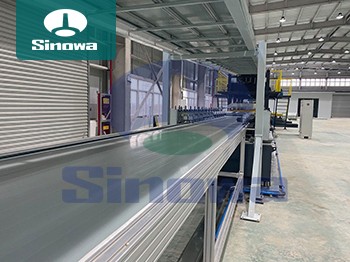
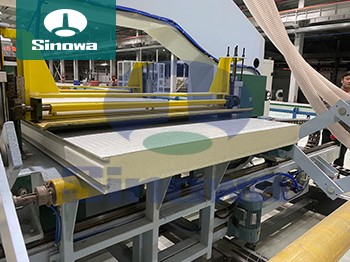
Sinowa has invested outstanding efforts in both the Continuous Insulated PU Sandwich Panel Production Line and the Roll Forming Line, This is why our products are more efficiency, quality, automatic control technology, environmental protection, energy consumption indicators and the appearance and safety protection are comprehensively leading, Some subversive design changes in many major technical points,these major innovations make our products excellent in price/performance and user experience.
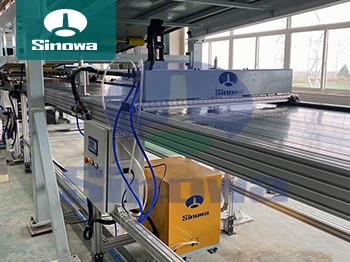
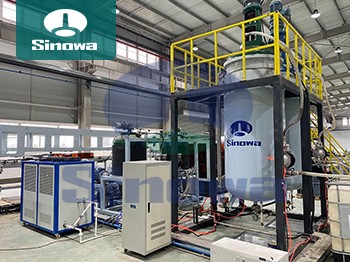
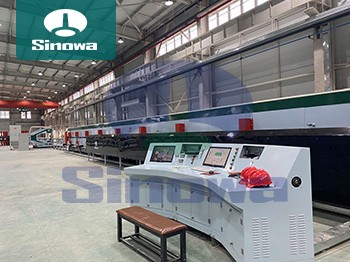
We always position our PU Sandwich Panel Line in a very high standard, strictly optimize every design for more progress. Our continuous innovation, continuous improvement of the technical design principles make us improved product updates and always pay attention to high efficiency, energy saving and stability, reduce customer worries, become their reliable business partners.
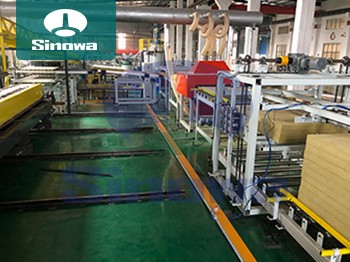
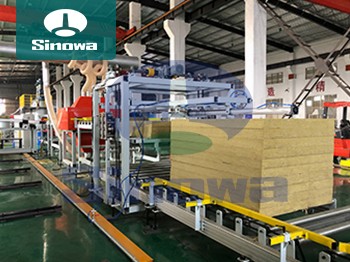
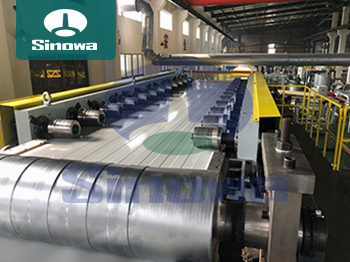
Sinowa Engineering Technology Research Center has always focused on technology research and development. we achieved a large number of scientific research results and unique patented process technology in related product research and development t every year, we continuously improve our products to have high precision and high stability in practical applications, and provide high quality for customers all over the world. Excellent technical personnel, continuous R&D investment and the technical concept of "continuous innovation and continuous improvement" are the strong guarantee for Sinowa to stand out from competitors.
Our focus is not on cost, we always pay attention to the quality of the product and how to do it better!
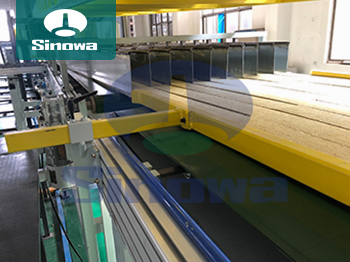
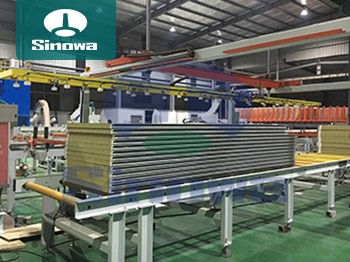
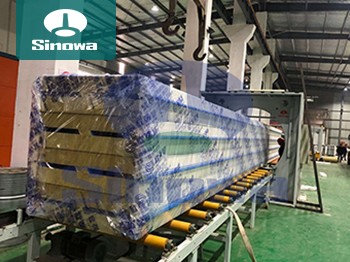
Production process control is a core part of implementing product planning and implementing quality control, which we establish A full range of production management processes and product logistics systems. We firmly believe that production without control and rules will only produce garbage products, so we pay more attention to first-class production control training while establishing a first-class production workshop, strictly follow the 5S management concept, establish systems and standards, ensure that our Sandwich Panel Machines are qualified throughout the process, achieve the technical goals of the company's products to achieve our brand value.
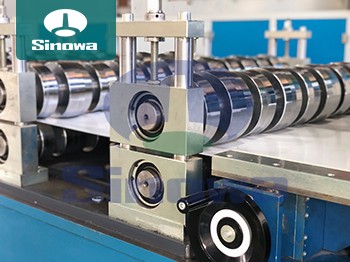
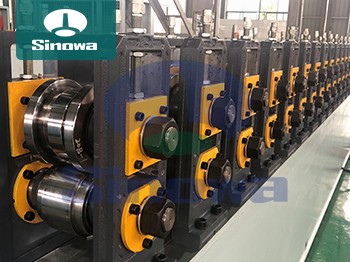
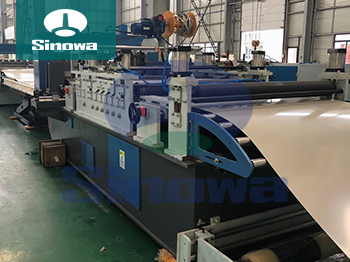
Sinowa has a very comprehensive quality control system, has a group of professional quality control personnel, familiar with almost all testing methods and standards in the field of machining, established a complete mechanical and chemical laboratory with which can fully control all quality links and ensure that all data are accurate, timely optional and available.
Relying on our good Sandwich Panel Machine quality and trustworthy service, our products are exported to more than a dozen countries in the world, and the service field continues to expand, winning more and more praise. Every customer will be our best friend!
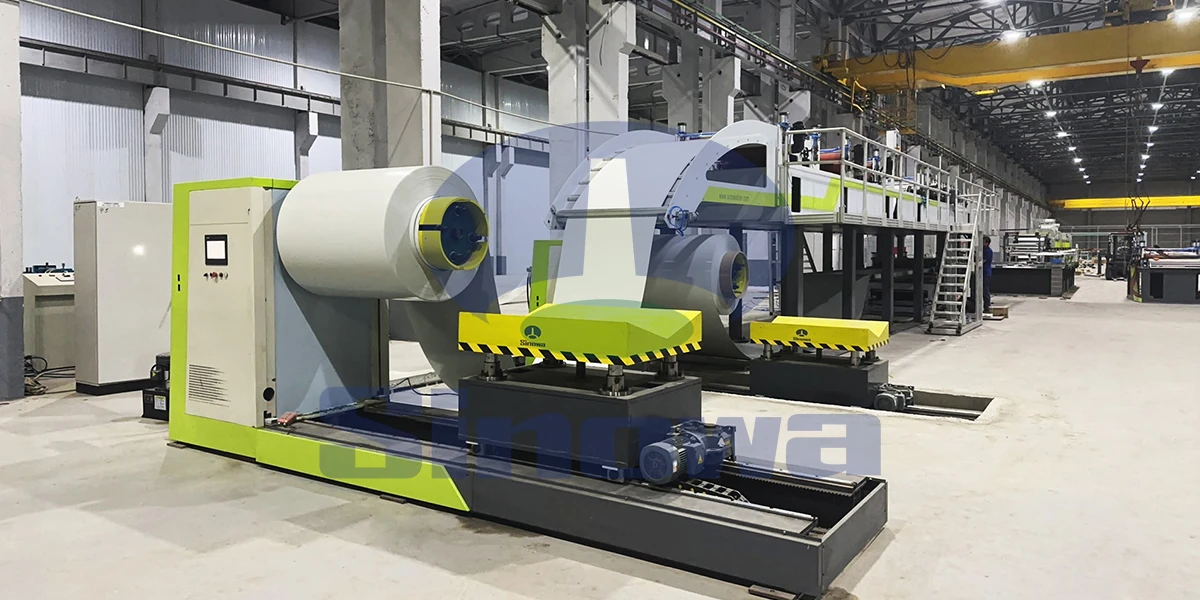
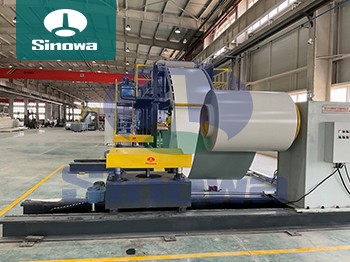
The core structure of a PUF panel making machine is a modular assembly of interconnected units, each responsible for a specific stage of the panel manufacturing process. While continuous and discontinuous systems differ in layout and automation, they share fundamental components that ensure the precise formation of PUF sandwich panels. For continuous production lines, the process begins with the decoiling unit, which features motorized stands designed to hold and unwind large coils of facing material. These units are typically equipped with photoelectric sensors and servo-driven correction mechanisms to maintain alignment, preventing edge deviation and ensuring uniform panel width throughout production. The decoiled facing materials then pass through a preheating and profiling section, where temperature-controlled chambers heat the sheets to optimize foam adhesion, and roll-forming stations shape the metal facings into flat, micro-ribbed, or trapezoidal profiles for enhanced structural rigidity. In some setups, a protective release film or paper is applied to the inner surfaces of the facings to prevent foam from sticking to production equipment and ensure a clean release after curing.
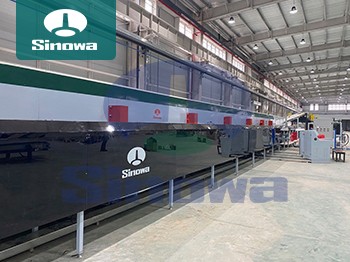
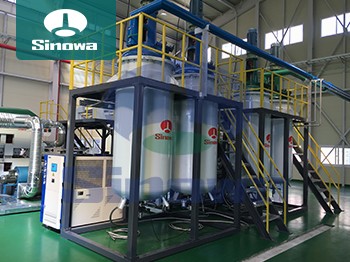
Following profiling, the facings enter the foaming and lamination zone, which is the heart of the PUF panel making machine. This section comprises a high-precision metering system, a mixing head, and a double-belt press (DBP) conveyor. The metering system uses gear pumps to accurately measure the two primary components of polyurethane foam—methylene diphenyl diisocyanate (MDI) and polyol blend—ensuring consistent mixing ratios that directly impact foam density and insulation performance. These components are conditioned to precise temperatures in heated, agitated storage tanks to stabilize their reactivity, a critical step for maintaining uniform foam quality. The mixing head, often mounted on a traversing mechanism, uses impingement mixing to combine the MDI and polyol at high pressure, depositing the reactive foam mixture evenly across the width of the lower facing material. The upper facing is then brought into contact with the foam, and the entire assembly enters the double-belt press, a long, enclosed conveyor system with upper and lower steel or fiber-reinforced belts that apply consistent pressure as the foam expands and cures. The length of the double-belt press, which can range from 18 meters to over 40 meters, is determined by the required curing time, with production speeds typically varying between 2 meters and 15 meters per minute for standard lines.
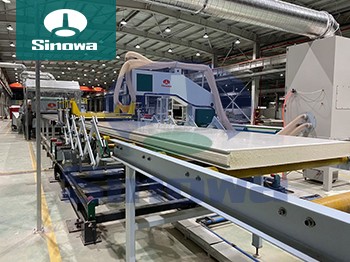
After exiting the double-belt press, the fully cured panel moves to the cutting and finishing zone. This section includes a flying cut-off saw, which operates synchronously with the production line speed to cut panels to pre-set lengths without stopping the conveyor, minimizing production downtime. Advanced systems may integrate CNC-controlled cutting units to accommodate complex shapes or notches for interlocking installations. The finished panels then proceed to a run-out table and stacking unit, where they are automatically aligned, stacked, and prepared for packaging or transportation. Discontinuous production systems, by contrast, replace the continuous conveyor with hydraulic or mechanical presses and individual molds. These systems feature a simplified feeding station where pre-cut facing materials are manually or automatically placed into molds, followed by a foaming unit that injects the reactive foam mixture directly into the mold cavity. The mold is then closed and subjected to controlled pressure and temperature for a predetermined curing period, after which the mold is opened, and the finished panel is demolded. Discontinuous machines may also include multi-daylight presses that process multiple panels simultaneously, improving production efficiency for small to medium batches.
The control system is a universal and critical component across all PUF panel making machines, serving as the central nervous system that coordinates all operational parameters. Most modern machines utilize a programmable logic controller (PLC) paired with a human-machine interface (HMI) that provides real-time monitoring and adjustment of key variables such as production speed, foam mixing ratio, belt pressure, and curing temperature. PID (Proportional-Integral-Derivative) temperature control systems ensure precise regulation of heating elements in the preheating chamber and double-belt press, while servo motors and variable frequency drives (VFDs) enable smooth speed adjustment of conveyors and decoilers. The control system also integrates safety features such as emergency stop buttons, pressure sensors, and foam level detectors to prevent equipment damage and ensure operator safety. For high-end systems, data logging capabilities track production metrics such as panel output, foam density, and material consumption, enabling manufacturers to implement predictive maintenance and quality control protocols.
Performance characteristics of PUF panel making machines are defined by a set of key metrics that determine their suitability for specific production requirements. Precision is a paramount performance attribute, with modern machines capable of maintaining panel thickness tolerances within ±0.5 mm and foam density variation of less than 3% across the panel surface. This level of precision is achieved through advanced metering pumps, servo-controlled belt pressure systems, and real-time feedback loops in the control system. Production efficiency is another critical performance metric, with continuous lines offering significantly higher throughput compared to discontinuous systems. Standard continuous lines can produce up to 800,000 square meters of panels annually, depending on speed and panel dimensions, while discontinuous lines are typically limited to small to medium volumes due to the batch production process. Energy efficiency is also a key consideration, with modern machines incorporating insulated curing chambers, variable speed drives, and efficient heating systems to reduce power consumption. Some systems feature servo-driven mechanisms that eliminate hydraulic components, reducing energy loss and maintenance requirements associated with hydraulic leaks.
Versatility is a performance characteristic that distinguishes high-quality PUF panel making machines, enabling them to adapt to a wide range of panel specifications and application needs. Most machines support panel thickness ranges from 10 mm to 240 mm and width ranges from 500 mm to 1250 mm, with custom configurations available for larger or specialized dimensions. They are compatible with multiple facing materials, including galvanized steel, aluminum, stainless steel, and composite fabrics, and can accommodate various foam systems such as PUF, polyisocyanurate (PIR), and phenolic foam. This versatility allows manufacturers to produce panels for diverse applications, from standard wall and roof panels to specialized cold storage panels and cleanroom partitions. Reliability is another essential performance attribute, with modular design and high-quality components minimizing downtime for maintenance. Interchangeable parts and simplified access to critical units such as mixing heads and metering pumps reduce repair time, ensuring consistent production uptime.
PUF panel making machines are primarily classified based on their production method, resulting in two main categories: continuous production lines and discontinuous (batch) production systems. Continuous lines are fully automated, high-volume systems designed for mass production of standard-sized PUF panels. They are characterized by a linear, nonstop workflow that minimizes manual intervention, making them ideal for large-scale manufacturing facilities and infrastructure projects with high demand. These lines are highly scalable, with manufacturers able to increase output by extending the double-belt press length or adding additional production modules. Continuous lines are further categorized by production speed, with standard lines operating at 2–15 meters per minute and high-speed laminators capable of speeds up to 60 meters per minute for thin, lightweight panels. Some continuous systems are designed for specific applications, such as soft-faced panel lines for HVAC ductwork or heavy-duty lines for industrial roof panels.
Discontinuous production systems, also known as batch or mold-based systems, are designed for small-volume production, custom-sized panels, and specialized applications that require unique shapes or embedded components. These systems are less automated than continuous lines and rely on manual or semi-automated mold handling, making them suitable for startups, small manufacturers, or facilities with diverse product portfolios. Discontinuous machines are classified based on press type, including manual presses for low-cost, low-volume production; automatic presses for medium volumes; and multi-daylight presses for higher throughput batch production. Specialized discontinuous systems include angular presses for corner panels and custom mold presses for panels with integrated mechanical fixings or complex geometries, such as those used in cold storage trailers and prefabricated buildings. Another classification criterion is the level of automation, with machines ranging from fully manual systems to semi-automatic and fully automatic configurations. Fully automatic discontinuous lines integrate robotic mold handling and automatic foam injection, reducing labor requirements and improving consistency.
In addition to production method and automation level, PUF panel making machines can be classified by their foaming technology, which includes high-pressure and low-pressure mixing systems. High-pressure systems are the most common, using hydraulic or electric pumps to force MDI and polyol into a mixing chamber at pressures of 100–300 bar, resulting in a homogeneous foam mixture with fine cell structure and consistent density. These systems are ideal for high-volume production and panels requiring superior insulation performance. Low-pressure systems, by contrast, mix the foam components at lower pressures using mechanical agitators, making them more cost-effective and suitable for small-scale production or low-density foam applications. Some machines offer dual-pressure capabilities, allowing manufacturers to switch between high and low pressure based on product requirements.
The applications of PUF panel making machines span across numerous industries, driven by the versatile properties of PUF sandwich panels. In the construction industry, these machines produce wall panels, roof panels, and floor panels for residential, commercial, and industrial buildings. PUF panels are valued for their excellent thermal insulation, which reduces energy consumption for heating and cooling, and their lightweight design, which simplifies installation and reduces structural load. They are widely used in prefabricated buildings, modular construction, and rapid infrastructure projects due to their quick assembly and dimensional consistency. Specialized panels produced by these machines are used in cleanrooms for pharmaceutical and electronics manufacturing, where airtightness and contamination control are critical, and in acoustic barriers for highways and industrial facilities, leveraging the sound absorption properties of the PUF core.
Cold chain logistics is another major application area for PUF panel making machines, with the production of panels for cold storage facilities, refrigerated warehouses, and transport vehicles. PUF panels have low thermal conductivity, making them ideal for maintaining stable temperatures in environments ranging from -40°C to 25°C. Discontinuous machines are often used to produce custom-sized panels for cold storage rooms and refrigerated trailers, while continuous lines manufacture standard panels for large-scale cold storage facilities. The panels’ structural strength and resistance to moisture also make them suitable for freezer rooms and blast chillers, where durability and insulation performance are essential.
Industrial manufacturing facilities utilize PUF panel making machines to produce panels for various applications, including machine enclosures, partition walls, and storage tanks. PUF panels provide thermal insulation for industrial ovens and furnaces, reducing heat loss and improving energy efficiency, and their fire-resistant properties (when combined with appropriate additives) make them suitable for use in high-risk industrial environments. In the HVAC industry, soft-faced PUF panels produced by specialized continuous lines are used to manufacture lightweight, insulated air ducts that reduce energy loss during air distribution. These panels are also used in the production of refrigerated display cases and cold storage units for the food and beverage industry.
Emerging applications of PUF panel machines include renewable energy projects, such as solar panel mounting structures and wind turbine nacelle insulation, and automotive manufacturing, where PUF panels are used for vehicle insulation and interior components. The versatility of these machines allows manufacturers to adapt to evolving market demands, producing panels with enhanced properties such as fire resistance, UV stability, and recycled content. As the construction industry shifts toward sustainable building practices, PUF panel making machines are being optimized to use bio-based polyols and low-VOC (volatile organic compound) foam formulations, reducing the environmental impact of panel production.
In conclusion, PUF panel making machines are essential equipment for the production of high-performance sandwich panels used across construction, cold chain logistics, and industrial manufacturing. Their structural design, characterized by modular units and advanced control systems, ensures precise and efficient panel production, while their classification into continuous and discontinuous systems caters to diverse production scales and application needs. The performance attributes of these machines, including precision, efficiency, versatility, and reliability, directly impact the quality and cost-effectiveness of the final panels. As global demand for energy-efficient and sustainable building materials continues to grow, PUF panel making machines will play an increasingly important role in enabling manufacturers to produce innovative, high-quality panels that meet the evolving needs of modern industries. The ongoing advancement of automation, foaming technology, and sustainable materials will further enhance the capabilities of these machines, solidifying their position as a cornerstone of modern manufacturing.
« PUF Panel Making Machine » Update Date: 2026/3/9
Tags:
URL: https://m.sinowa.cn/blog/puf-panel-making-machine.html
A pu sandwich panel line stands as a highly efficient and automated production solution dedicated to manufacturing high-performance insulated panels, playing a vital role in modern construction and industrial engineering sectors. This integrated production system streamlines the entire manufacturing process, starting with the uncoiling and leveling of outer facing materials, which are carefully treated to ensure flat, smooth surfaces free of defects and suitable for subsequent bonding. Next comes the core production step: precise mixing and uniform distribution of polyurethane raw materials, where specialized equipment controls the ratio and flow rate strictly to guarantee consistent foam density and stable bonding performance between the core and facings. The pu sandwich panel machine features a controlled curing and forming system that maintains stable temperature and pressure conditions, allowing the polyurethane foam to fully expand, solidify and bond tightly with the upper and lower layers, forming a rigid, durable sandwich structure. Post-forming, the panels go through accurate cutting and finishing processes to meet diverse size specifications demanded by different projects. Designed for continuous operation, this pu sandwich panel production line boosts manufacturing efficiency remarkably while ensuring uniform product quality across batches, reducing manual errors and material waste effectively. The finished PU sandwich panels deliver outstanding thermal insulation, sound absorption and structural strength, making them widely applicable in building roofs, walls, cold storage facilities and industrial workshops, adapting to various environmental and functional needs with reliable performance and long service life.