- Home
- Sandwich Panel Line
- Roll Forming Machine
- CZ Purlin Roll Forming Machine
- Door Window Curtain Partition Roll Forming Machine
- Gutter Roll Forming Machine
- Clean Partition Panel Machine
- Corrugated Panel Roll Forming Machine
- Double Layer Roof Roll Forming Machine
- High Speed Keel Roll Forming Machine
- Light Steel-Frame Structure Production Line
- C Channel Roll Forming Machine
- Insulated Panels
- Steel Profiles
- About
- Contact
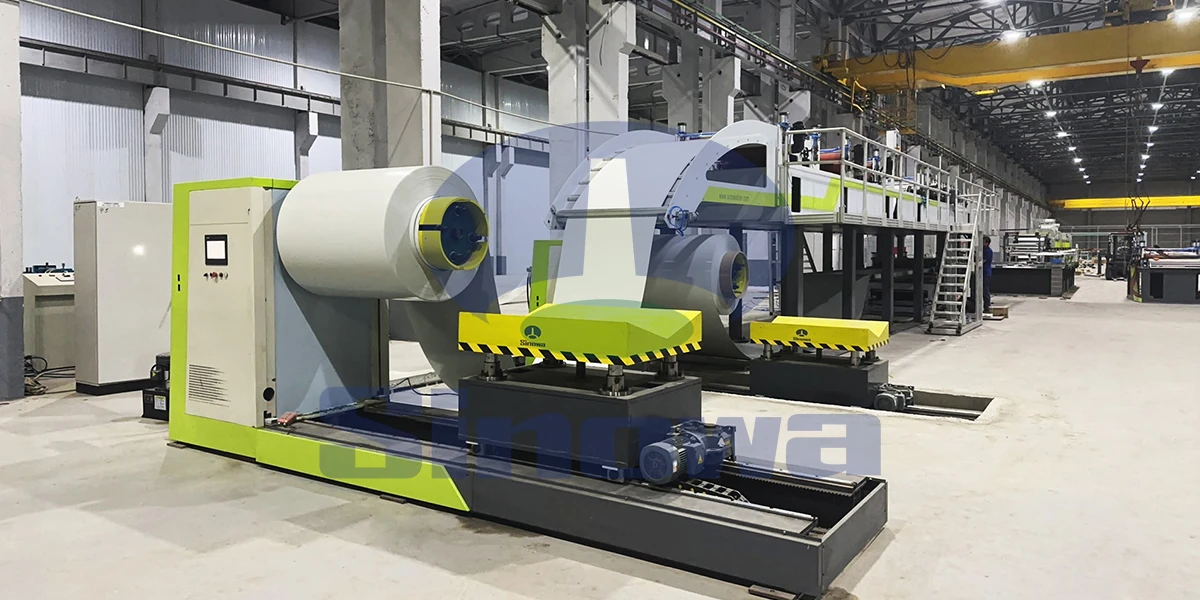
Insulation Board Production Line
Sinowa is a supplier and manufacturer of Insulation Board Production Line in china, customization on demand width a reasonable price.
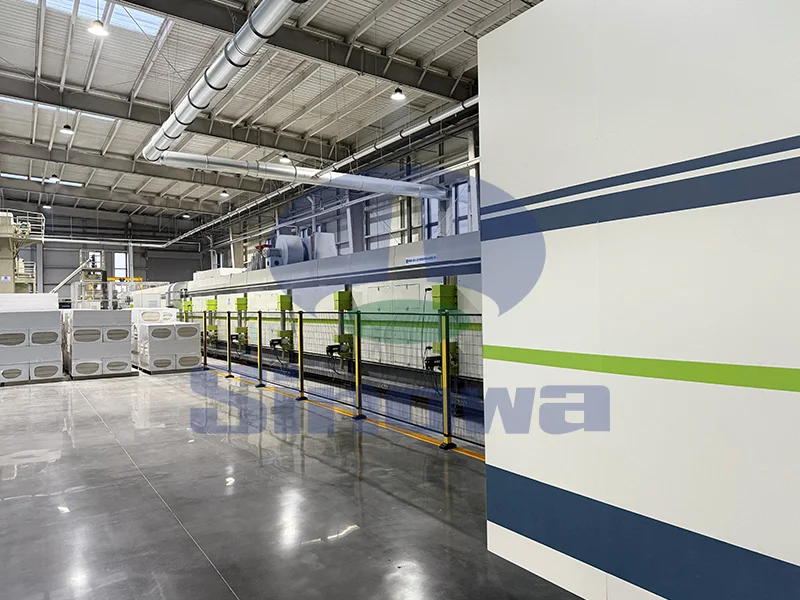
The insulation board production line stands as a core industrial system dedicated to the mass manufacturing of thermal insulation panels, integrating mechanical, electrical, and process control technologies to transform raw materials into finished insulation products with stable performance and uniform specifications. Unlike scattered processing equipment, a complete production line operates as a coordinated whole, with each functional module working in tandem to streamline workflows, enhance production efficiency, and ensure the consistency of board quality across every batch. Structurally, these production lines are designed with modularity and scalability at their core, allowing manufacturers to adjust configurations based on output demands, material types, and product specifications, making them adaptable to both small-batch customized production and large-scale industrial manufacturing. The fundamental structural framework of a typical insulation board production line consists of several interconnected subsystems, each fulfilling a unique role in the manufacturing process, from raw material handling to final product finishing, with no single component able to operate independently without compromising overall line performance.
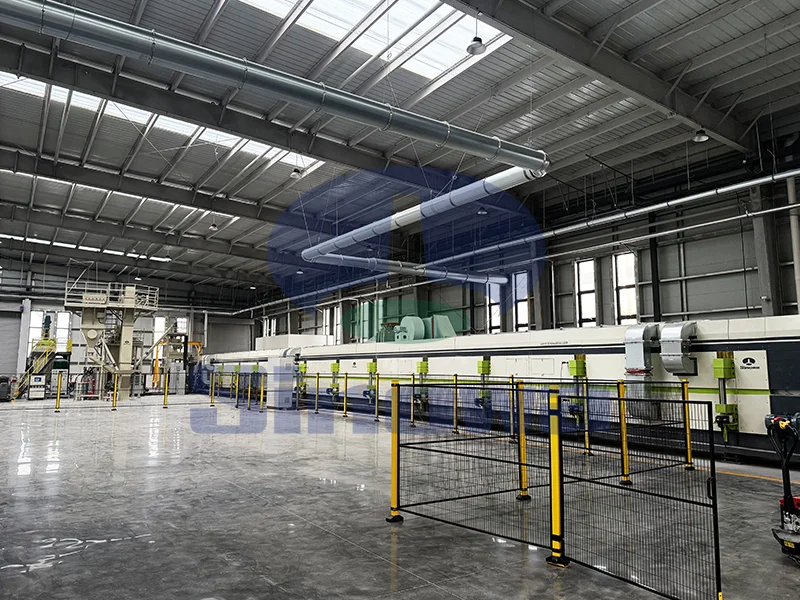
At the forefront of the production line lies the raw material handling and feeding subsystem, which serves as the starting point of the entire manufacturing process. This subsystem is engineered to store, meter, and convey various raw materials efficiently, including polymer resins, foaming agents, fillers, bonding agents, and auxiliary additives, ensuring precise and consistent material input to prevent deviations in product performance caused by uneven material ratios. For different types of insulation boards, the raw material composition varies significantly, so the feeding system is equipped with adjustable metering devices and automated conveying mechanisms to accommodate diverse material characteristics, such as granular plastics, fibrous materials, or liquid chemical additives. Dust removal and moisture control functions are often integrated into this subsystem to maintain material purity and stability, as moisture contamination or particle aggregation can directly impact the forming quality and thermal performance of the final insulation boards. Following the feeding subsystem is the mixing and homogenization module, a critical structural component that blends raw materials uniformly to create a homogeneous mixture with consistent viscosity, density, and reactivity. High-speed mixers, static mixers, or twin-screw blending units are commonly employed here, depending on the material type, to eliminate material stratification and ensure that every component is evenly dispersed; this uniformity is essential for producing insulation boards with stable thermal resistance, mechanical strength, and durability throughout the entire board surface.
The core forming section of the production line represents the most technically complex structural part, where the blended raw materials are shaped into continuous or discrete insulation board blanks through specialized processing techniques. This section varies drastically in design based on the manufacturing process corresponding to different insulation board types, with extrusion, molding, foaming, and lamination being the most prevalent forming methods. For polystyrene-based insulation boards, the forming section primarily features screw extruders, die heads, and calibration units; the molten material is extruded through a precision die to form a continuous sheet, which is then sized and shaped by calibrators to achieve the desired thickness, width, and flatness. For foam-based insulation boards such as polyurethane or phenolic boards, the forming section adopts a continuous laminating or pouring molding structure, where the foaming mixture is injected between facing materials and cured under controlled temperature and pressure to form rigid, closed-cell insulation panels. Mineral wool and fiber-based insulation boards rely on a fiber laying, pressing, and curing forming structure, processing mineral fibers or organic fibers into dense, uniform board blanks through mechanical pressing and high-temperature curing. Regardless of the forming method, this section is equipped with precision temperature and pressure control systems, as slight fluctuations in these parameters can alter the internal cellular structure, density, and mechanical properties of the insulation boards, directly affecting their overall performance.
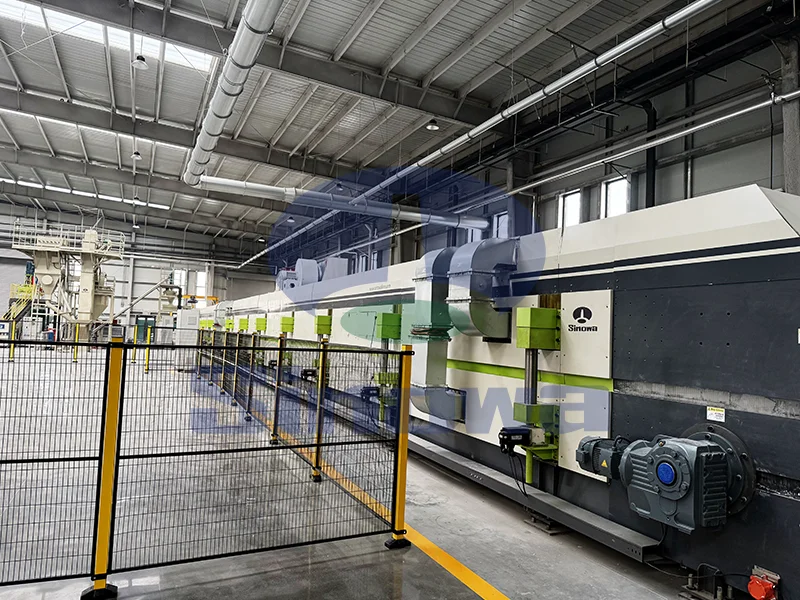
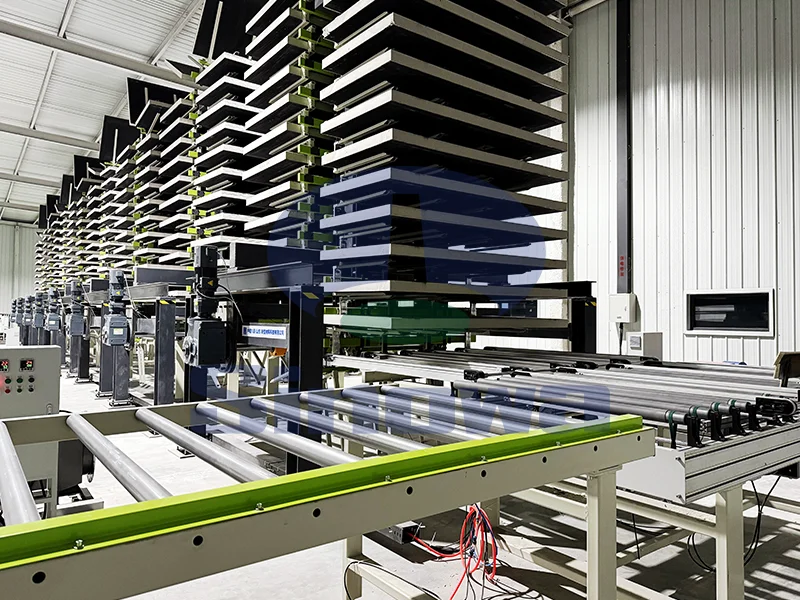
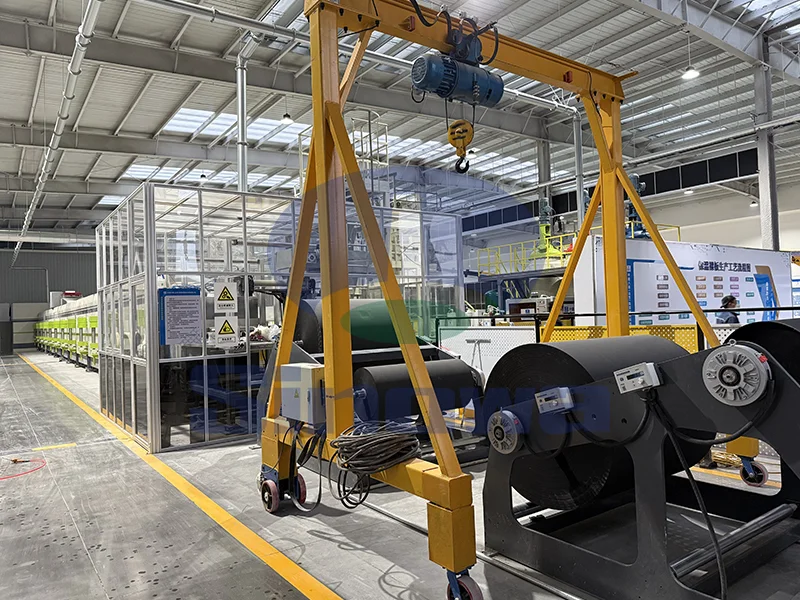
Downstream of the forming section, the production line incorporates a curing, cooling, and post-processing subsystem to stabilize the board structure and refine product specifications. The curing and cooling process is vital for enhancing the dimensional stability and mechanical strength of insulation boards, as it allows the newly formed blanks to fully solidify, eliminate internal stress, and resist deformation during subsequent handling and application. For thermoset foam boards, controlled heating curing accelerates the cross-linking reaction of polymer materials, improving board hardness and thermal stability; for extruded plastic boards, gradual cooling prevents warping, cracking, or shrinkage, maintaining precise dimensional tolerances. The post-processing module includes precision cutting, edge trimming, surface treatment, and stacking units, which trim the continuous board blanks into standard or custom-sized panels, smooth rough edges, and perform surface treatments such as grooving or embossing to improve bonding performance with building materials. Automated cutting equipment ensures high dimensional accuracy, minimizing material waste and improving production yield, while automated stacking and conveying systems facilitate smooth material flow between processing stages, reducing manual labor and enhancing overall line efficiency. The final structural component is the quality inspection and packaging subsystem, which conducts non-destructive testing on key performance indicators of finished boards, including thickness uniformity, density consistency, and surface flatness, before packaging qualified products for storage and transportation; this step acts as a final safeguard to ensure only high-performance insulation boards enter the market.
The performance of an insulation board production line is a comprehensive reflection of its structural design, manufacturing precision, and process control capability, encompassing production efficiency, product stability, energy consumption, operational reliability, and adaptability. High-performance production lines are characterized by continuous and stable operation, with low downtime and fault rates, enabling long-hour uninterrupted production to meet large-scale market demand. Production efficiency is measured by the output of qualified boards per unit time, influenced by factors such as line speed, material processing speed, and automation level; fully automated lines with digital control systems achieve significantly higher efficiency than semi-automated or manual lines, reducing human error and labor costs while boosting output. Energy performance is another core indicator, with advanced production lines integrating energy-saving technologies such as variable frequency drives, waste heat recovery systems, and optimized heating/cooling circuits to minimize power, steam, and water consumption, lowering operational costs and aligning with sustainable manufacturing principles. The adaptability performance of the production line determines its versatility, allowing manufacturers to switch between different types, thicknesses, and densities of insulation boards by adjusting process parameters and replacing partial modules, without requiring a complete overhaul of the line; this flexibility is crucial for responding to diverse market demands and expanding product portfolios.
Equally important is the product performance consistency guaranteed by the production line, which ensures that every batch of insulation boards maintains uniform thermal insulation, mechanical strength, moisture resistance, and durability. Thermal insulation performance is the most fundamental property of insulation boards, determined by the internal cellular structure and material composition controlled by the production line; closed-cell structures formed by precise foaming or extrusion processes minimize air convection within the board, delivering low thermal conductivity and efficient heat transfer resistance. Mechanical performance, including compressive strength, flexural strength, and impact resistance, is shaped by the forming pressure, curing process, and material density controlled by the line, enabling insulation boards to withstand external loads during transportation, installation, and service, such as floor loads in building applications or mechanical stress in industrial settings. Moisture and water resistance performance is critical for long-term service stability, especially in humid or underground environments; production lines with optimized forming and surface treatment processes produce boards with low water absorption, preventing moisture penetration that could degrade thermal performance and shorten service life. Additionally, high-quality production lines ensure insulation boards exhibit good dimensional stability, resisting expansion, contraction, or deformation under extreme temperature changes, maintaining a tight fit in application scenarios and preserving insulation effectiveness over time.
Insulation boards produced by specialized production lines are categorized into multiple types based on raw material composition, manufacturing process, and performance characteristics, each with distinct properties tailored to specific application scenarios, covering polymer foam boards, mineral fiber boards, and composite insulation boards as the main classifications. Expanded Polystyrene (EPS) boards are one of the most widely used polymer foam insulation products, manufactured through a pre-expansion, molding, and cutting process; they feature lightweight properties, low cost, good thermal insulation, and ease of processing, making them suitable for general building insulation and lightweight applications. Extruded Polystyrene (XPS) boards, produced via continuous extrusion and closed-cell foaming, offer higher compressive strength, superior moisture resistance, and more stable thermal performance than EPS boards, with a dense closed-cell structure that prevents water absorption and maintains insulation efficiency in damp conditions; they are ideal for high-load and humid environments. Polyurethane (PU) and Polyisocyanurate (PIR) foam boards stand out for their ultra-low thermal conductivity, excellent thermal insulation, and high strength-to-density ratio, with good bonding performance with various facing materials, suitable for high-efficiency insulation scenarios where space is limited.
Phenolic foam insulation boards, manufactured through thermosetting foaming and curing, excel in fire resistance and low smoke emission, remaining structurally stable under high temperatures and releasing minimal toxic fumes, making them a preferred choice for applications with strict fire safety requirements. Mineral wool insulation boards, produced from molten mineral fibers bonded and pressed, are non-combustible, offer excellent thermal and acoustic insulation, and high temperature resistance, suitable for industrial equipment insulation and building fire insulation systems. Fiber-based insulation boards, including wood fiber and glass fiber boards, combine eco-friendly properties with good mechanical strength and breathability, balancing insulation performance with environmental compatibility for green building and indoor insulation applications. Composite insulation boards, integrating multiple material advantages through laminated or composite forming processes, deliver a balanced mix of thermal insulation, mechanical strength, fire resistance, and moisture resistance, catering to complex application environments with diverse performance demands. Each type of insulation board is produced by a targeted production line configuration, with process parameters and structural modules optimized to unlock the unique performance advantages of the raw material, ensuring the final product meets the functional requirements of its intended use.
The applications of insulation boards manufactured by professional production lines span across construction, cold chain logistics, industrial engineering, transportation, and daily civil fields, driven by their exceptional thermal insulation, energy-saving, and protective properties, making them indispensable in modern industrial and social development. In the construction industry, insulation boards serve as core energy-saving materials for residential, commercial, and public buildings, applied to exterior walls, roofs, floors, and foundation insulation to reduce heat exchange between indoor and outdoor spaces, lower heating and cooling energy consumption, and improve indoor thermal comfort. They play a vital role in both new building construction and existing building renovation projects, helping structures meet energy efficiency standards and enhance durability by protecting building envelopes from temperature fluctuations and moisture damage. In cold chain logistics and refrigeration engineering, insulation boards are widely used in the construction of cold storage warehouses, refrigerated trucks, refrigerated containers, and low-temperature storage facilities, maintaining stable low-temperature environments, reducing cold energy loss, and ensuring the quality and safety of perishable goods such as food, pharmaceuticals, and biological products during storage and transportation; their high compressive strength and moisture resistance also make them suitable for cold storage floor and wall insulation, resisting long-term low-temperature and load stress.
In industrial engineering, insulation boards are applied to thermal insulation of industrial equipment, pipelines, boilers, and storage tanks, preventing heat loss in high-temperature industrial processes, improving energy utilization efficiency, and protecting equipment from thermal damage and external environmental corrosion; they also provide fire protection for industrial facilities, isolating heat sources and reducing fire risks. In the transportation sector, insulation boards are used for thermal and acoustic insulation in vehicles, ships, and aircraft, reducing energy consumption for temperature control and enhancing passenger comfort by isolating external noise and temperature changes; their lightweight properties also help reduce the overall weight of transportation equipment, improving fuel efficiency and operational performance. In civil and daily applications, insulation boards are used for indoor sound insulation, floor heating insulation, and household appliance insulation, optimizing living environments and improving the energy efficiency of household appliances. With the global focus on energy conservation, emission reduction, and green development, the demand for high-performance insulation boards continues to rise, driving the continuous upgrading of insulation board production lines towards higher automation, better energy efficiency, and greater versatility. Modern production lines are integrating digital control, intelligent monitoring, and green manufacturing technologies to further improve product performance, reduce environmental impact, and meet the evolving demands of various industries for efficient, reliable, and sustainable thermal insulation solutions.
The development of insulation board production lines has always been closely linked to the innovation of insulation materials and the advancement of industrial technology, with structural optimizations and performance upgrades continuously expanding the application boundaries of insulation boards. As environmental protection regulations become stricter and energy efficiency requirements grow higher, production lines are evolving towards low-carbon, recyclable, and multi-functional directions, adopting eco-friendly raw materials and clean production processes to reduce pollutant emissions and promote the recycling of production waste. The integration of intelligent technologies, such as IoT-based real-time monitoring, AI-driven process optimization, and automated quality control, is further enhancing the stability and precision of production lines, ensuring consistent product quality and adapting to the personalized and diversified demands of the market. Whether in large-scale industrial manufacturing or specialized customized production, insulation board production lines remain the core guarantee for the supply of high-quality thermal insulation materials, playing a pivotal role in global energy conservation, green building development, and industrial efficiency improvement. The continuous progress of production line technology will not only elevate the performance and quality of insulation boards but also unlock new application scenarios, driving the sustained and healthy development of the entire thermal insulation material industry and contributing to the realization of low-carbon and sustainable development goals worldwide.
« Insulation Board Production Line » Update Date: 2026/4/15
URL: https://m.sinowa.cn/blog/insulation-board-production-line.html
A pu sandwich panel line stands as a highly efficient and automated production solution dedicated to manufacturing high-performance insulated panels, playing a vital role in modern construction and industrial engineering sectors. This integrated production system streamlines the entire manufacturing process, starting with the uncoiling and leveling of outer facing materials, which are carefully treated to ensure flat, smooth surfaces free of defects and suitable for subsequent bonding. Next comes the core production step: precise mixing and uniform distribution of polyurethane raw materials, where specialized equipment controls the ratio and flow rate strictly to guarantee consistent foam density and stable bonding performance between the core and facings. The pu sandwich panel machine features a controlled curing and forming system that maintains stable temperature and pressure conditions, allowing the polyurethane foam to fully expand, solidify and bond tightly with the upper and lower layers, forming a rigid, durable sandwich structure. Post-forming, the panels go through accurate cutting and finishing processes to meet diverse size specifications demanded by different projects. Designed for continuous operation, this pu sandwich panel production line boosts manufacturing efficiency remarkably while ensuring uniform product quality across batches, reducing manual errors and material waste effectively. The finished PU sandwich panels deliver outstanding thermal insulation, sound absorption and structural strength, making them widely applicable in building roofs, walls, cold storage facilities and industrial workshops, adapting to various environmental and functional needs with reliable performance and long service life.