- Home
- Sandwich Panel Line
- Roll Forming Machine
- CZ Purlin Roll Forming Machine
- Door Window Curtain Partition Roll Forming Machine
- Gutter Roll Forming Machine
- Clean Partition Panel Machine
- Corrugated Panel Roll Forming Machine
- Double Layer Roof Roll Forming Machine
- High Speed Keel Roll Forming Machine
- Light Steel-Frame Structure Production Line
- C Channel Roll Forming Machine
- Insulated Panels
- Steel Profiles
- About
- Contact
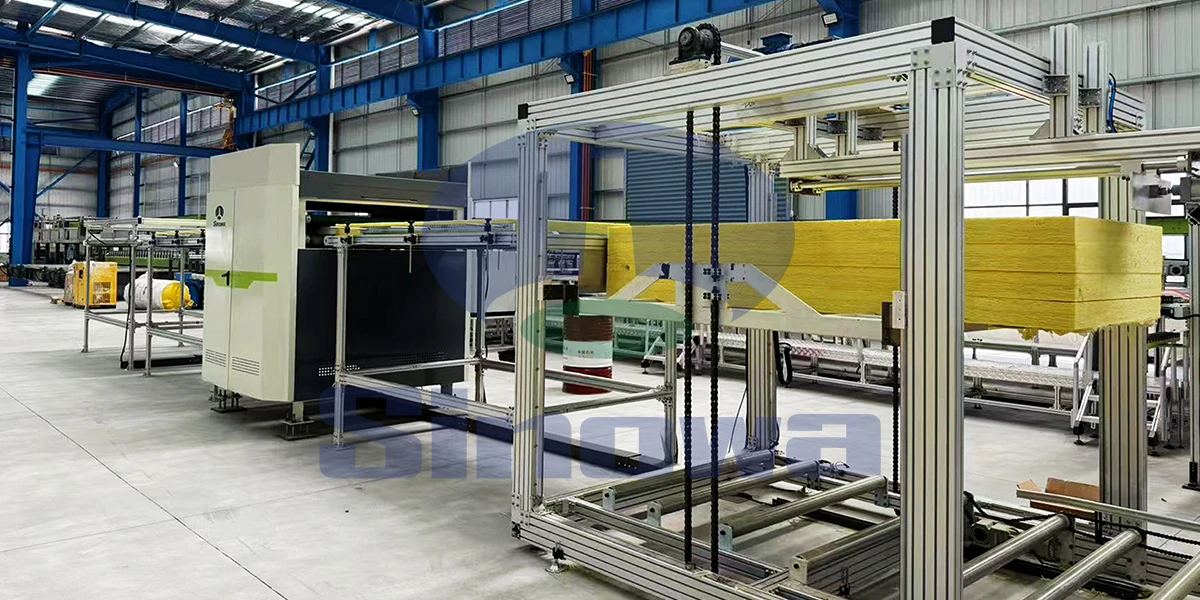
Automation Of Rock Wool Sandwich Panel Production Line
Sinowa is a rock wool sandwich panel production line supplier from china, design and custom-made rock wool sandwich panel production line, know more about automation of rock wool sandwich panel production line, pls contact us, we will contact you as soon as possible!
In the modern construction and building materials sector, rock wool sandwich panels have emerged as a cornerstone material, prized for their exceptional thermal insulation, fire resistance, sound absorption, and structural stability. These panels, composed of a dense rock wool core bonded between rigid outer facing sheets, cater to a wide spectrum of applications ranging from industrial warehouses and commercial buildings to cold storage facilities and cleanroom constructions. As global demand for high-performance, cost-effective building materials surges, the traditional manual and semi-automated production methods for rock wool sandwich panels have become increasingly inadequate, plagued by inefficiencies, inconsistent quality, high labor dependency, and limited output capacity. The full automation of rock wool sandwich panel production lines represents a transformative leap forward, redefining operational standards, optimizing resource utilization, and aligning manufacturing processes with the demands of contemporary industrial production and sustainable development. This shift toward automation is not merely a technological upgrade but a strategic imperative for manufacturers seeking to enhance competitiveness, scale production, and deliver consistent, premium-quality panels to global markets.
The Rock Wool Panel Line includes cement mortar cloth (cement-based cloth) anti-rolling pressure for up and down bidirectional anti-rolling, polyurethane drenching area, up and down bidirectional drenching area which is fully automatic, vertical silk rock wool sliver area, composite board lamination, automatic lifting which can be adjust the required thickness of the insulation board. The Rockwool Panel Machine is used for building exterior wall insulation, fire isolation belt, structural insulation integration, strong bonding performance, fireproof, waterproof, and anti-falling. This Mineral Wool Sandwich Panel Line solves the difficulty of the previous construction of ordinary rock wool board and it is difficult for workers to find the drawbacks.
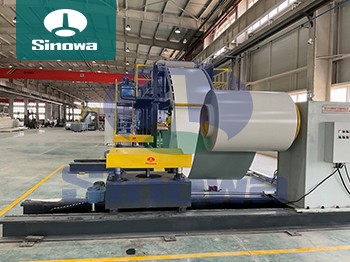
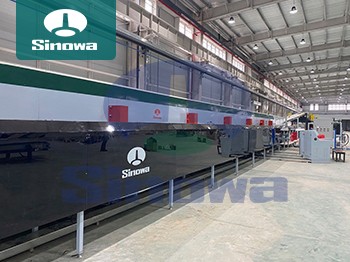
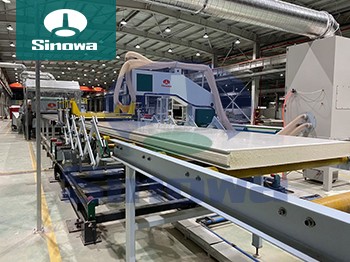
Sinowa is a well-known manufacturer and technical service provider of high-end PU Sandwich Panel Machines and various high-performance Cold Roll Forming Machine in China. Our main products include polyurethane double-sided color steel Sandwich Panel Production Line, polyurethane and phenolic soft facing insulation panel production line and high-efficiency roll forming lines.
Sinowa is committed to the development and manufacturing of high-end and high-efficiency Sandwich Panel Lines. Our production lines are leading the way in efficiency, automatic control, human-computer interaction, environmental protection and energy consumption. Using system integration and bus control technology, it realizes the automatic integrated linkage control of the entire production line, and can achieve remote interactive communication, which has the world-class level and a comprehensive leading high-performance production line in the market.
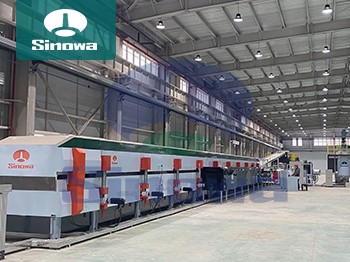
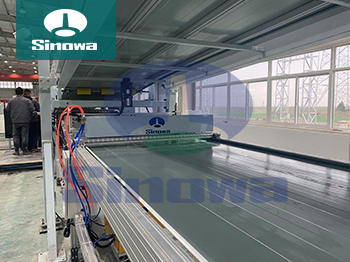
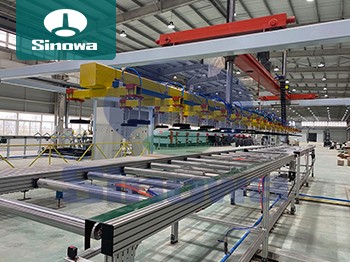
For more than ten years, we have never deliver two same lines to our client, there are all the crystallization of continuous improvement, we have been trying to surpass ourselves, create better products to serve our customers, and also accumulate our brand value, become a unique Chinese enterprise, we are no longer synonymous with low price and mediocre quality.
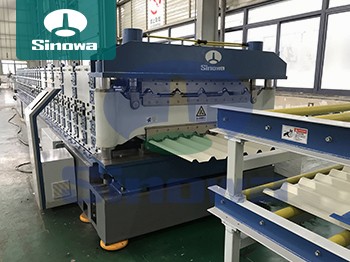
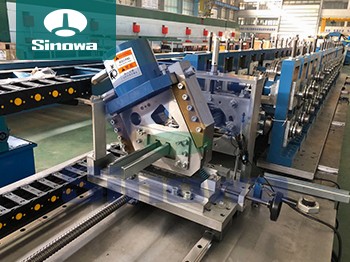
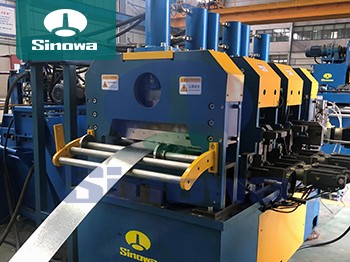
Since 2014, we have established our Cold Forming Machine design and manufacturing department, started our R&D and production of high-end cold forming equipment. Base on our innovative and high-end and efficient product concepts,In just a few years, we have created our own impressive achievements in this field. Whether ordinary construction products of Roll Forming Machine, or precision steel pipe equipment, elevator profile equipment, automotive profile equipment, precision door and window profile equipment, we are the leader of Chinese equipment with high efficiency, high quality and beautiful appearance design.
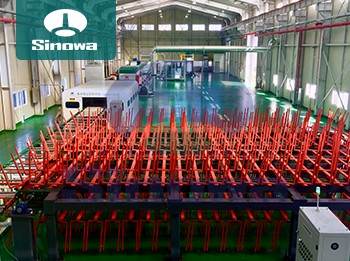
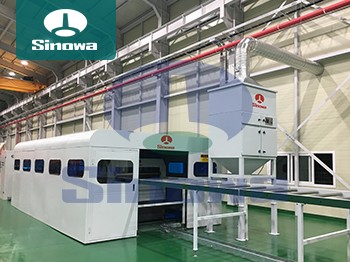
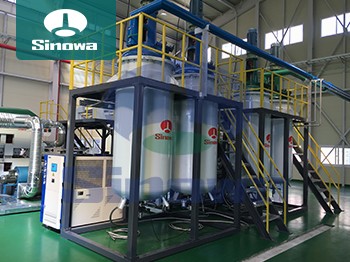
For more than ten years, relying on our innovative manufacturing concept and excellence in quality, reliable and trustworthy service to customers, we cooperate with customers all over the world, exported products to Canada, South Korea, Israel, Australia, the Middle East and other more than 20 countries and regions. contributed to building energy conservation and low-carbon production and have won widespread praise.
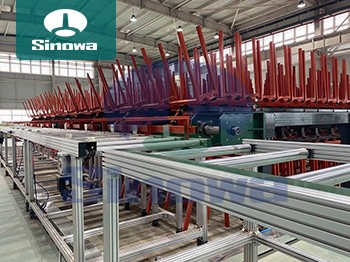
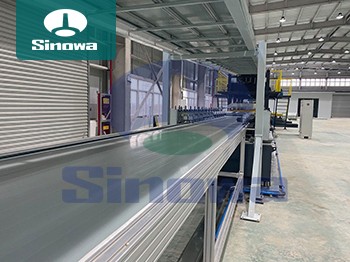
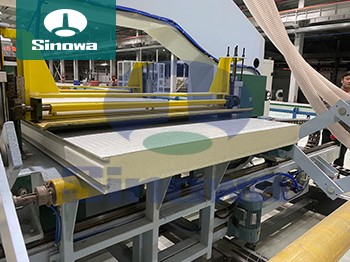
Sinowa has invested outstanding efforts in both the Continuous Insulated PU Sandwich Panel Production Line and the Roll Forming Line, This is why our products are more efficiency, quality, automatic control technology, environmental protection, energy consumption indicators and the appearance and safety protection are comprehensively leading, Some subversive design changes in many major technical points,these major innovations make our products excellent in price/performance and user experience.
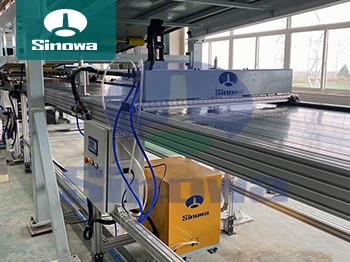
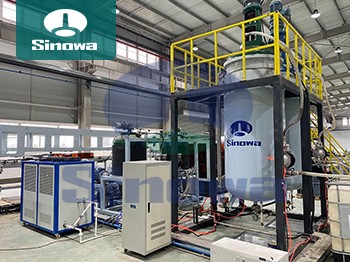
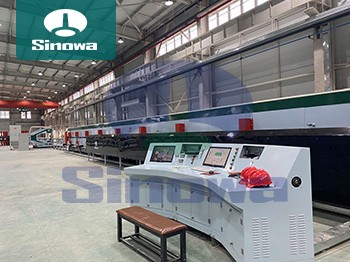
We always position our PU Sandwich Panel Line in a very high standard, strictly optimize every design for more progress. Our continuous innovation, continuous improvement of the technical design principles make us improved product updates and always pay attention to high efficiency, energy saving and stability, reduce customer worries, become their reliable business partners.
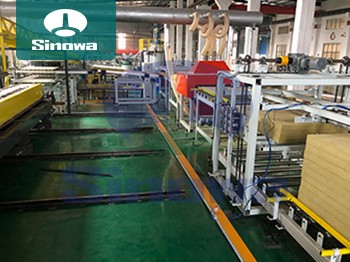
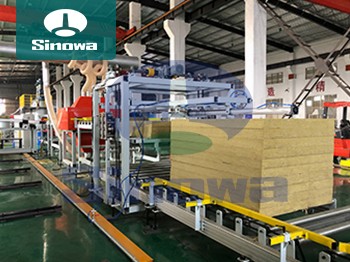
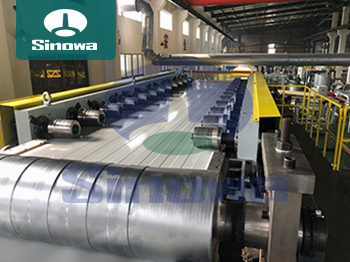
Sinowa Engineering Technology Research Center has always focused on technology research and development. we achieved a large number of scientific research results and unique patented process technology in related product research and development t every year, we continuously improve our products to have high precision and high stability in practical applications, and provide high quality for customers all over the world. Excellent technical personnel, continuous R&D investment and the technical concept of "continuous innovation and continuous improvement" are the strong guarantee for Sinowa to stand out from competitors.
Our focus is not on cost, we always pay attention to the quality of the product and how to do it better!
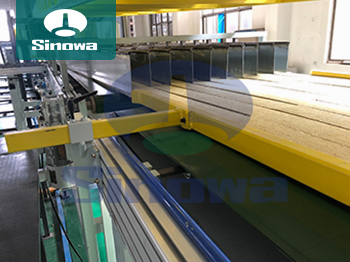
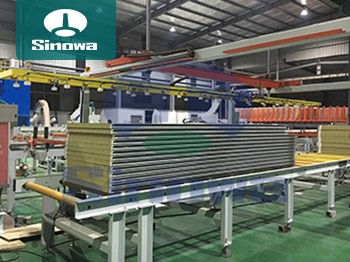
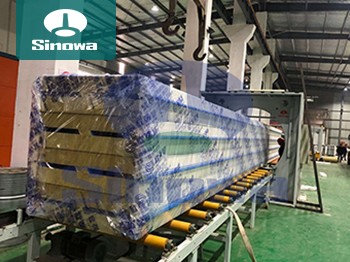
Production process control is a core part of implementing product planning and implementing quality control, which we establish A full range of production management processes and product logistics systems. We firmly believe that production without control and rules will only produce garbage products, so we pay more attention to first-class production control training while establishing a first-class production workshop, strictly follow the 5S management concept, establish systems and standards, ensure that our Sandwich Panel Machines are qualified throughout the process, achieve the technical goals of the company's products to achieve our brand value.
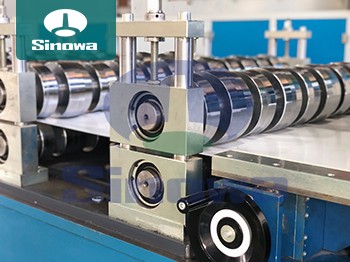
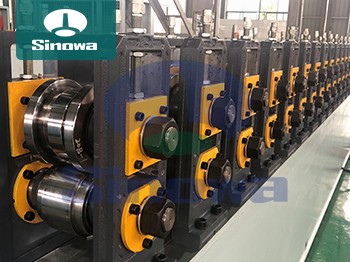
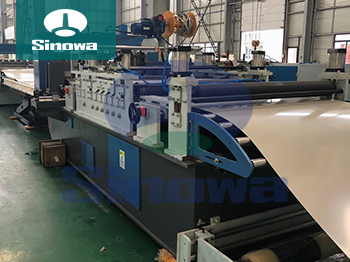
Sinowa has a very comprehensive quality control system, has a group of professional quality control personnel, familiar with almost all testing methods and standards in the field of machining, established a complete mechanical and chemical laboratory with which can fully control all quality links and ensure that all data are accurate, timely optional and available.
Relying on our good Sandwich Panel Machine quality and trustworthy service, our products are exported to more than a dozen countries in the world, and the service field continues to expand, winning more and more praise. Every customer will be our best friend!
Before the widespread adoption of automated production systems, rock wool sandwich panel manufacturing relied heavily on manual intervention across every stage of the process. Raw material handling, core cutting, adhesive application, sheet alignment, pressing, curing, trimming, and stacking were all executed with significant human input, creating a cascade of operational challenges. Manual core cutting often resulted in uneven dimensions, misaligned edges, and material waste, as workers struggled to maintain precision with repetitive tasks. Adhesive application was inconsistent, leading to weak bonding between the rock wool core and outer sheets, compromising the structural integrity and longevity of the finished panels. Production speeds were constrained by human stamina and dexterity, with frequent pauses for breaks, rework, and adjustments disrupting workflow continuity. Labor costs accounted for a substantial portion of total production expenses, and workforce turnover further exacerbated operational instability, as new employees required extensive training to master complex production protocols. Additionally, manual processes introduced inherent variability in product quality, with each batch differing slightly in dimensions, density, and bonding strength, making it difficult for manufacturers to meet strict industry specifications and customer expectations. Safety risks were also heightened in manual production environments, with workers exposed to heavy material handling, sharp cutting tools, and airborne dust particles, increasing the likelihood of workplace accidents and long-term health hazards.
The transition to fully automated rock wool sandwich panel production lines addresses these pain points by integrating advanced mechanical, electrical, hydraulic, and digital control technologies into a seamless, continuous manufacturing ecosystem. Every phase of production, from raw material feeding to final product stacking and preparation for storage, is orchestrated by precision automated systems, eliminating human error and streamlining operational flow. At the core of this automated setup is a centralized control system that synchronizes all production units, enabling real-time monitoring, parameter adjustment, and process optimization. Operators interact with the line through intuitive control interfaces, inputting production specifications such as panel thickness, width, length, and core density, and the system executes all tasks with unwavering precision, reducing the need for hands-on labor to minimal supervision and routine maintenance.
The automated production process begins with the automated handling and unwinding of raw materials, including the outer facing sheets and rock wool core boards. Automated decoiling systems smoothly unroll metal or other facing sheets, feeding them into precision roll forming machines that shape the sheets to the required profile, ensuring uniform curvature, edge straightness, and dimensional accuracy. Concurrently, automated cutting units process the rock wool core material, using high-precision cutting mechanisms to trim cores to exact specifications, with minimal dust generation and zero material waste. These cutting systems adjust dynamically to production parameters, ensuring consistency across thousands of core pieces without deviation. Following core preparation, automated adhesive application systems deploy a controlled, uniform layer of bonding agent across the surface of the rock wool core and the inner side of the facing sheets. Unlike manual application, these systems use precision nozzles and metering pumps to deliver the exact amount of adhesive required, avoiding over-application that leads to excess residue or under-application that weakens bonds. This uniformity is critical for ensuring the long-term durability and structural performance of the sandwich panels, especially in demanding environmental conditions.
Once the adhesive is applied, automated alignment mechanisms precisely position the rock wool core between the upper and lower facing sheets, eliminating misalignment and ensuring the core is centered within the panel structure. The assembled panel layers then move into a high-pressure pressing and curing system, another key automated component that applies consistent pressure and controlled temperature to facilitate optimal bonding. Automated pressure regulators maintain uniform force across the entire panel surface, while temperature control systems create the ideal curing environment, accelerating the adhesive setting process without compromising material integrity. This controlled pressing and curing phase is far more efficient than manual or semi-automated methods, reducing curing time significantly and boosting overall production throughput. After curing, the fully bonded panels proceed to automated trimming and cutting stations, where precision cutting tools trim the panels to the desired length and finish the edges to a smooth, uniform standard. These cutting systems operate without halting the production line, enabling continuous manufacturing and eliminating downtime associated with batch processing. Finally, automated stacking and conveying systems gently lift, sort, and stack the finished panels, preparing them for storage or direct shipment. These stacking units handle panels with care to prevent surface scratches or structural damage, optimizing storage space and ensuring easy handling for downstream logistics.
Beyond streamlining production workflows, automated rock wool sandwich panel lines deliver a host of tangible operational and economic benefits that reshape manufacturing profitability and scalability. One of the most impactful advantages is the drastic reduction in labor requirements. Whereas manual production lines demand a large workforce to manage daily operations, automated lines only require a small team of skilled technicians to oversee system operation, conduct routine maintenance, and address rare technical issues. This reduction in labor dependency cuts down on labor costs, training expenses, and workforce management burdens, allowing manufacturers to allocate resources to research, development, and market expansion. Additionally, automation drives a significant increase in production efficiency and output capacity. Continuous automated operation eliminates production delays caused by human factors, enabling the line to run consistently for extended hours, with higher line speeds and faster cycle times than manual or semi-automated setups. This heightened productivity allows manufacturers to fulfill large-scale orders promptly, meet tight project deadlines, and capitalize on emerging market opportunities without sacrificing quality.
Quality consistency is another hallmark of automated production, a critical factor in the building materials industry where structural reliability and compliance with performance standards are non-negotiable. By removing human variability from the process, automated lines produce panels with uniform dimensions, consistent core density, perfect bonding, and precise edge finishing, batch after batch. This consistency ensures that every panel meets strict dimensional tolerances and performance specifications, reducing rejection rates, rework costs, and customer complaints. Manufacturers can confidently guarantee product quality to clients, building trust and strengthening their market reputation. Furthermore, automated systems minimize material waste across all production stages, from raw material cutting to adhesive usage. Precision cutting mechanisms optimize rock wool core utilization, reducing scrap material, while controlled adhesive application eliminates excess usage, lowering raw material costs and supporting sustainable manufacturing practices. Reduced waste not only cuts operational expenses but also aligns with global efforts to reduce industrial carbon footprints and promote circular economy principles.
Safety and workplace sustainability are also greatly enhanced by production line automation. By minimizing manual handling of heavy materials, sharp tools, and hazardous dust, automated lines reduce the risk of workplace accidents, injuries, and occupational health issues. Enclosed processing units and integrated dust collection systems contain airborne particles, improving air quality in the production facility and creating a safer, healthier work environment for employees. Additionally, automated systems are designed for energy efficiency, with optimized power usage for pressing, curing, and control systems, reducing overall energy consumption compared to outdated manual production setups. This energy efficiency, paired with reduced material waste, positions automated rock wool sandwich panel manufacturing as a more sustainable and environmentally responsible alternative to traditional methods, appealing to eco-conscious customers and supporting global sustainability goals.
The flexibility of automated rock wool sandwich panel production lines further amplifies their value for manufacturers operating in dynamic market conditions. Modern automated systems are engineered to adapt quickly to changing production requirements, allowing manufacturers to switch between different panel specifications, thicknesses, and core densities with minimal downtime. Simple adjustments to the centralized control system parameters enable the production of customized panels tailored to specific customer needs, from standard industrial panels to specialized panels for cold storage, cleanrooms, or high-rise construction. This versatility eliminates the need for multiple dedicated production lines for different product variants, reducing capital investment and maximizing production line utilization. Manufacturers can respond rapidly to shifts in market demand, diversify their product portfolios, and cater to niche markets, gaining a competitive edge in a crowded industry.
Looking ahead, the automation of rock wool sandwich panel production lines is poised to evolve further with the integration of emerging digital technologies, such as artificial intelligence, machine learning, and industrial Internet of Things (IIoT) connectivity. Smart automated lines will feature predictive maintenance capabilities, where sensors monitor equipment performance in real time, detect potential malfunctions before they occur, and alert technicians to perform maintenance, minimizing unplanned downtime and extending equipment lifespan. AI-driven process optimization will analyze production data to fine-tune parameters such as adhesive flow, pressing pressure, and curing temperature, further enhancing efficiency, quality, and resource utilization. Remote monitoring and control capabilities will allow manufacturers to oversee production operations from off-site locations, improving operational oversight and responsiveness. These technological advancements will continue to elevate the performance of automated production lines, making rock wool sandwich panel manufacturing even more efficient, intelligent, and adaptable.
In conclusion, the automation of rock wool sandwich panel production lines represents a pivotal advancement in the building materials manufacturing sector, addressing the limitations of traditional manual production and unlocking unprecedented levels of efficiency, quality, safety, and sustainability. By replacing labor-intensive, error-prone manual processes with precision-engineered automated systems, manufacturers can reduce costs, boost output, ensure consistent product quality, and adapt to evolving market demands with ease. The benefits extend beyond operational improvements, encompassing enhanced workplace safety, reduced environmental impact, and strengthened market competitiveness. As the global construction industry continues to prioritize high-performance, sustainable building materials, automated rock wool sandwich panel production will remain at the forefront of manufacturing innovation, driving progress, meeting market needs, and shaping the future of efficient, reliable building material production. This shift to automation is not just a technological choice but a fundamental transformation that empowers manufacturers to thrive in a fast-paced, demanding industrial landscape, delivering value to both their businesses and the broader construction ecosystem.
« Automation Of Rock Wool Sandwich Panel Production Line » Update Date: 2026/3/9
URL: https://m.sinowa.cn/blog/automation-of-rock-wool-sandwich-panel-production-line.html
A pu sandwich panel line stands as a highly efficient and automated production solution dedicated to manufacturing high-performance insulated panels, playing a vital role in modern construction and industrial engineering sectors. This integrated production system streamlines the entire manufacturing process, starting with the uncoiling and leveling of outer facing materials, which are carefully treated to ensure flat, smooth surfaces free of defects and suitable for subsequent bonding. Next comes the core production step: precise mixing and uniform distribution of polyurethane raw materials, where specialized equipment controls the ratio and flow rate strictly to guarantee consistent foam density and stable bonding performance between the core and facings. The pu sandwich panel machine features a controlled curing and forming system that maintains stable temperature and pressure conditions, allowing the polyurethane foam to fully expand, solidify and bond tightly with the upper and lower layers, forming a rigid, durable sandwich structure. Post-forming, the panels go through accurate cutting and finishing processes to meet diverse size specifications demanded by different projects. Designed for continuous operation, this pu sandwich panel production line boosts manufacturing efficiency remarkably while ensuring uniform product quality across batches, reducing manual errors and material waste effectively. The finished PU sandwich panels deliver outstanding thermal insulation, sound absorption and structural strength, making them widely applicable in building roofs, walls, cold storage facilities and industrial workshops, adapting to various environmental and functional needs with reliable performance and long service life.