- Home
- Sandwich Panel Line
- Roll Forming Machine
- CZ Purlin Roll Forming Machine
- Door Window Curtain Partition Roll Forming Machine
- Gutter Roll Forming Machine
- Clean Partition Panel Machine
- Corrugated Panel Roll Forming Machine
- Double Layer Roof Roll Forming Machine
- High Speed Keel Roll Forming Machine
- Light Steel-Frame Structure Production Line
- C Channel Roll Forming Machine
- Insulated Panels
- Steel Profiles
- About
- Contact
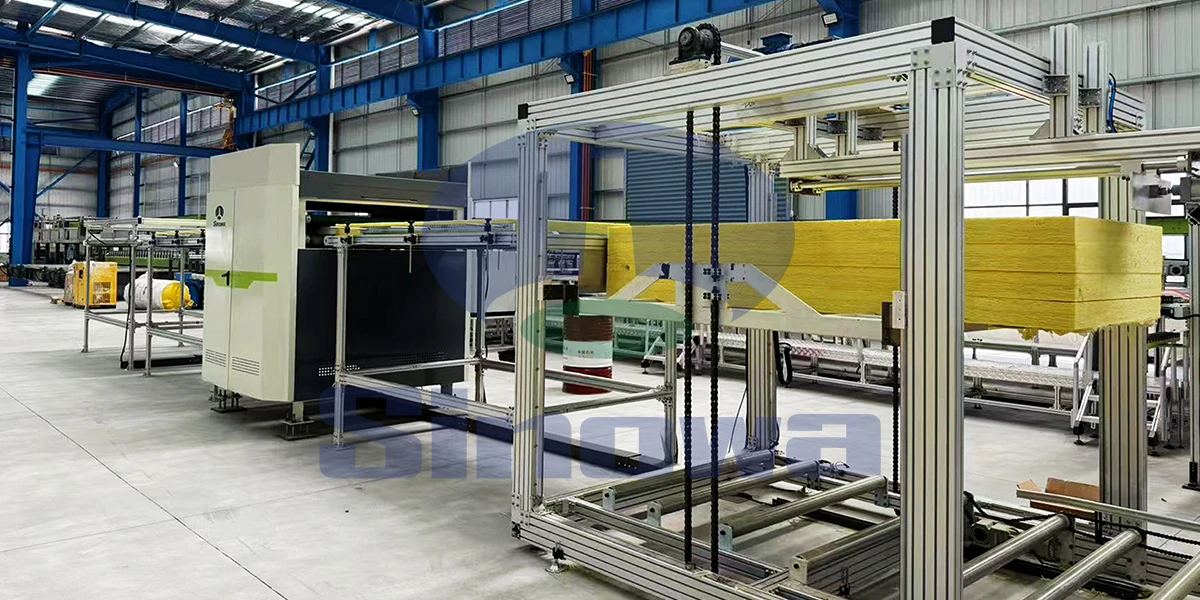
Mineral Wool Panel Production Line
Sinowa is a mineral wool panel production line supplier from china, design and custom-made mineral wool panel production line, know more about mineral wool panel production line, pls contact us, we will contact you as soon as possible!
Mineral wool panels stand as one of the most versatile and high-performance building and industrial insulation materials globally, and their consistent quality, uniform specifications, and reliable performance are entirely dependent on a well-designed, fully integrated mineral wool panel production line. This production system is not a single piece of machinery but a cohesive, automated assembly of interconnected stations, each engineered to handle a specific stage of the manufacturing process, from raw material handling to finished product packaging, with minimal manual intervention and maximum precision. The overall structure of a standard mineral wool panel production line is tailored to streamline the transformation of raw mineral materials into rigid, durable panels, with each segment optimized for efficiency, material consistency, and structural integrity, ensuring that every panel meets the core performance benchmarks required for its intended use cases. Unlike small-scale or manual production methods, the automated line eliminates variations in density, thickness, and bonding strength that can compromise panel performance, making it the foundation of mass-produced, high-quality mineral wool panels for both commercial and industrial applications.
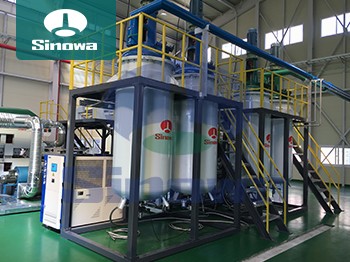
The Rock Wool Panel Line includes cement mortar cloth (cement-based cloth) anti-rolling pressure for up and down bidirectional anti-rolling, polyurethane drenching area, up and down bidirectional drenching area which is fully automatic, vertical silk rock wool sliver area, composite board lamination, automatic lifting which can be adjust the required thickness of the insulation board. The Rockwool Panel Machine is used for building exterior wall insulation, fire isolation belt, structural insulation integration, strong bonding performance, fireproof, waterproof, and anti-falling. This Mineral Wool Sandwich Panel Line solves the difficulty of the previous construction of ordinary rock wool board and it is difficult for workers to find the drawbacks.
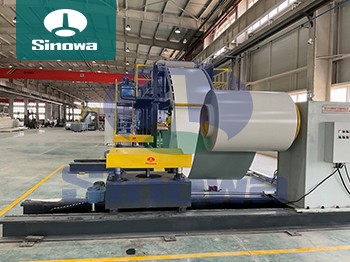
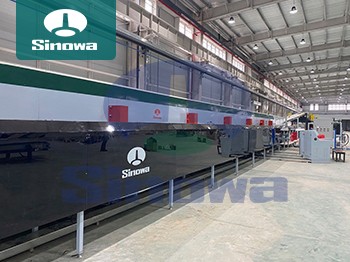
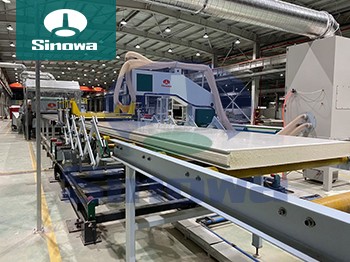
Sinowa is a well-known manufacturer and technical service provider of high-end PU Sandwich Panel Machines and various high-performance Cold Roll Forming Machine in China. Our main products include polyurethane double-sided color steel Sandwich Panel Production Line, polyurethane and phenolic soft facing insulation panel production line and high-efficiency roll forming lines.
Sinowa is committed to the development and manufacturing of high-end and high-efficiency Sandwich Panel Lines. Our production lines are leading the way in efficiency, automatic control, human-computer interaction, environmental protection and energy consumption. Using system integration and bus control technology, it realizes the automatic integrated linkage control of the entire production line, and can achieve remote interactive communication, which has the world-class level and a comprehensive leading high-performance production line in the market.
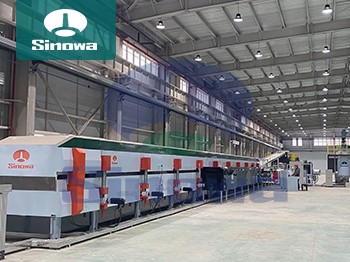
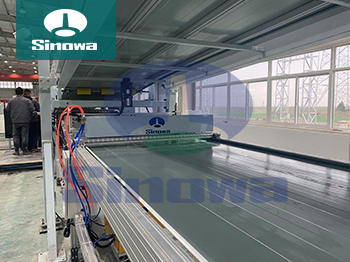
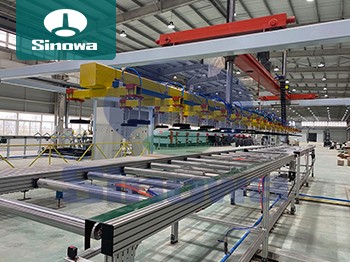
For more than ten years, we have never deliver two same lines to our client, there are all the crystallization of continuous improvement, we have been trying to surpass ourselves, create better products to serve our customers, and also accumulate our brand value, become a unique Chinese enterprise, we are no longer synonymous with low price and mediocre quality.
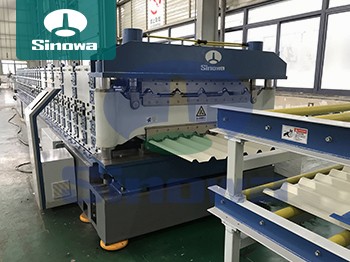
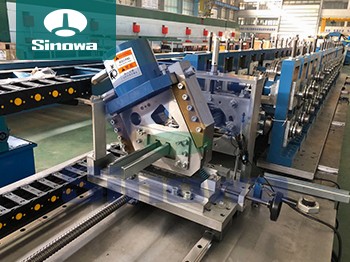
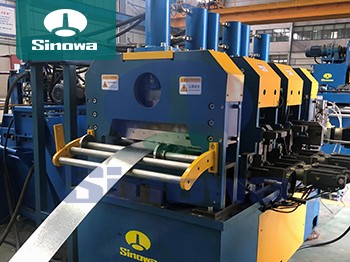
Since 2014, we have established our Cold Forming Machine design and manufacturing department, started our R&D and production of high-end cold forming equipment. Base on our innovative and high-end and efficient product concepts,In just a few years, we have created our own impressive achievements in this field. Whether ordinary construction products of Roll Forming Machine, or precision steel pipe equipment, elevator profile equipment, automotive profile equipment, precision door and window profile equipment, we are the leader of Chinese equipment with high efficiency, high quality and beautiful appearance design.
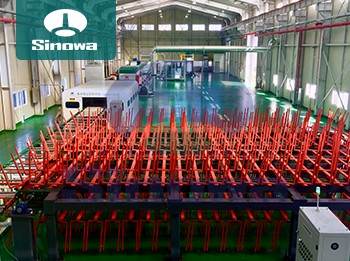
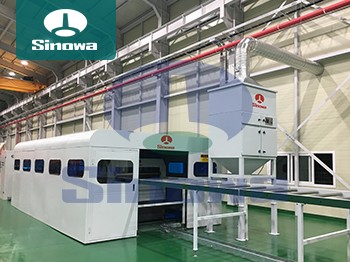
For more than ten years, relying on our innovative manufacturing concept and excellence in quality, reliable and trustworthy service to customers, we cooperate with customers all over the world, exported products to Canada, South Korea, Israel, Australia, the Middle East and other more than 20 countries and regions. contributed to building energy conservation and low-carbon production and have won widespread praise.
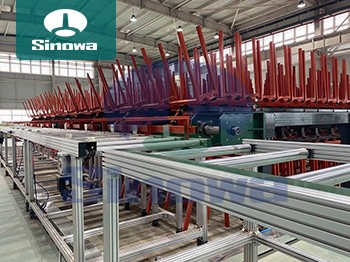
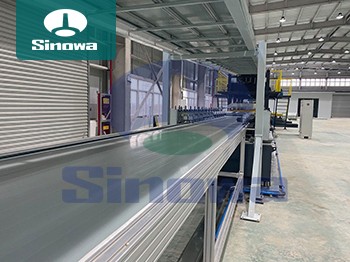
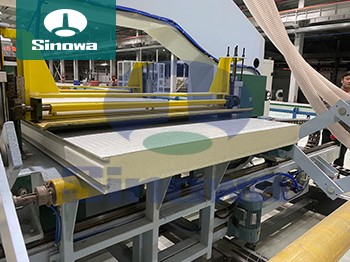
Sinowa has invested outstanding efforts in both the Continuous Insulated PU Sandwich Panel Production Line and the Roll Forming Line, This is why our products are more efficiency, quality, automatic control technology, environmental protection, energy consumption indicators and the appearance and safety protection are comprehensively leading, Some subversive design changes in many major technical points,these major innovations make our products excellent in price/performance and user experience.
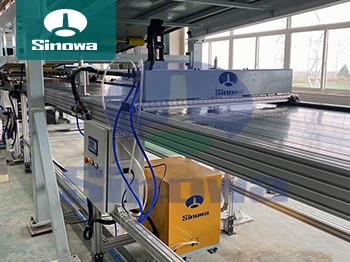
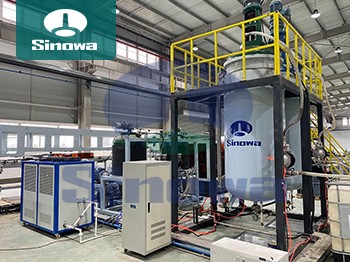
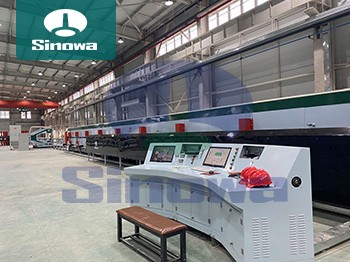
We always position our PU Sandwich Panel Line in a very high standard, strictly optimize every design for more progress. Our continuous innovation, continuous improvement of the technical design principles make us improved product updates and always pay attention to high efficiency, energy saving and stability, reduce customer worries, become their reliable business partners.
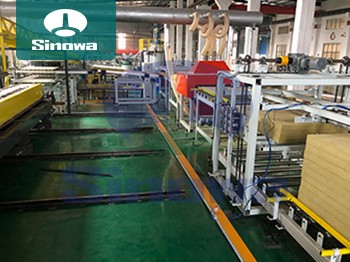
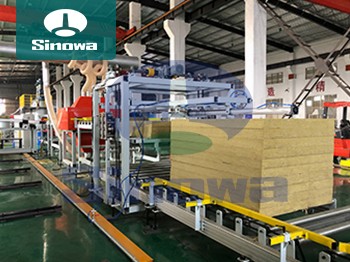
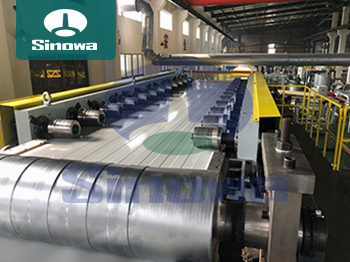
Sinowa Engineering Technology Research Center has always focused on technology research and development. we achieved a large number of scientific research results and unique patented process technology in related product research and development t every year, we continuously improve our products to have high precision and high stability in practical applications, and provide high quality for customers all over the world. Excellent technical personnel, continuous R&D investment and the technical concept of "continuous innovation and continuous improvement" are the strong guarantee for Sinowa to stand out from competitors.
Our focus is not on cost, we always pay attention to the quality of the product and how to do it better!
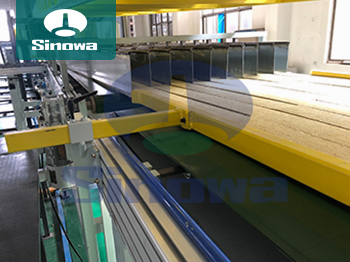
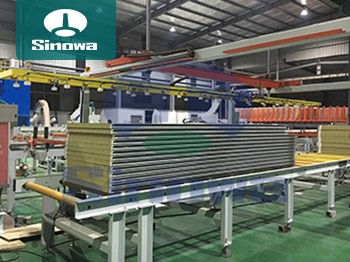
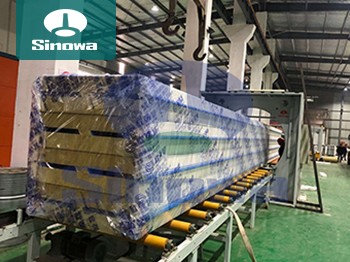
Production process control is a core part of implementing product planning and implementing quality control, which we establish A full range of production management processes and product logistics systems. We firmly believe that production without control and rules will only produce garbage products, so we pay more attention to first-class production control training while establishing a first-class production workshop, strictly follow the 5S management concept, establish systems and standards, ensure that our Sandwich Panel Machines are qualified throughout the process, achieve the technical goals of the company's products to achieve our brand value.
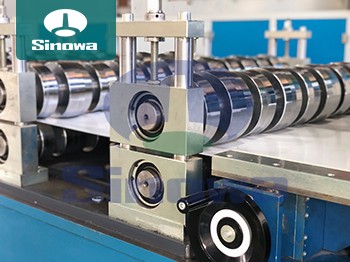
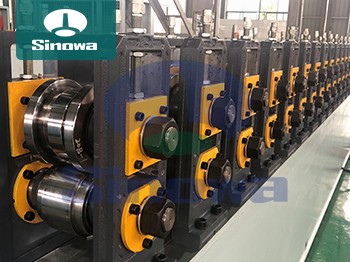
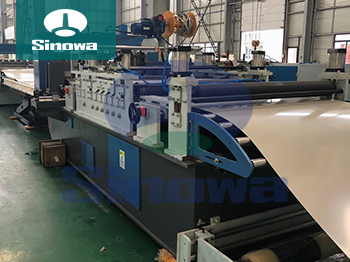
Sinowa has a very comprehensive quality control system, has a group of professional quality control personnel, familiar with almost all testing methods and standards in the field of machining, established a complete mechanical and chemical laboratory with which can fully control all quality links and ensure that all data are accurate, timely optional and available.
Relying on our good Sandwich Panel Machine quality and trustworthy service, our products are exported to more than a dozen countries in the world, and the service field continues to expand, winning more and more praise. Every customer will be our best friend!
At the front end of the production line lies the raw material preparation and feeding system, which serves as the starting point for the entire manufacturing process. The primary raw materials for mineral wool panels typically include natural volcanic rocks such as basalt, along with industrial mineral slags and selected quartz materials, chosen for their high melting point and fiber-forming properties. This initial station consists of storage silos, automated weighing and batching equipment, and conveyor systems that deliver precisely measured raw materials to the melting unit. The melting station is one of the most critical structural components, featuring a high-temperature furnace capable of reaching temperatures exceeding 1400 degrees Celsius to melt the solid mineral materials into a uniform, viscous liquid. This molten mineral mixture is then transferred to the fiberization station, where advanced centrifugal spinning technology converts the liquid into fine, lightweight mineral fibers with consistent diameters, usually ranging between 4 and 7 microns. These fine fibers are the core structural element of mineral wool panels, as their interwoven arrangement creates the porous, insulating matrix that defines the material’s key performance traits, including thermal resistance, sound absorption, and fire resistance.
Following fiberization, the production line moves into the fiber mat formation and binder application stage, which directly shapes the initial structure of the panel. The newly formed mineral fibers are collected on a moving conveyor belt, where automated air distribution systems ensure an even, uniform layering of fibers to avoid uneven density or weak spots in the final panel. A controlled spraying system applies a thermosetting binder to the fiber mat; this binder is essential for bonding the individual fibers together into a stable, rigid structure without compromising the porous nature of the fiber matrix. The binder application is carefully calibrated to maintain consistent coverage across the entire mat, as too little binder can lead to fragile panels with poor structural strength, while excessive binder can reduce thermal and acoustic performance by filling the critical air pockets within the fiber structure. After binder application, the fiber mat proceeds to the pressing and curing section, a dual-function station that consolidates the mat to the desired thickness and activates the binder through controlled heating. The pressing unit uses adjustable hydraulic rollers to compress the fiber mat to precise thickness specifications, ranging from thin acoustic ceiling panels to thick industrial insulation boards, while the curing oven maintains a steady high temperature to polymerize the binder, locking the fibers into a permanent, rigid structure. This curing process is tightly regulated for temperature and duration to ensure full cross-linking of the binder, which enhances the panel’s dimensional stability and resistance to warping or degradation over time.
The latter part of the production line includes precision cutting, surface treatment, and quality inspection stations, all designed to refine the semi-finished panels into finished products ready for market. The cutting station utilizes automated, laser-guided cutting tools to trim the continuous panel strip into standard or custom sizes, with tight dimensional tolerances to ensure seamless installation in various applications. Edge profiling equipment can also be integrated here to create beveled, square, or interlocking edges, depending on the intended use of the panels, improving fit and structural stability during installation. Surface treatment stations offer optional processing steps, such as lightweight coating to enhance moisture resistance, embossing for aesthetic versatility, or perforation to boost acoustic absorption for interior building applications. Unlike coated panels designed for wet environments, uncoated panels retain maximum breathability for dry interior spaces, and the production line can easily switch between these treatments without disrupting the overall workflow. The final structural component of the line is the automated packaging and stacking system, which protects finished panels during transportation and storage, ensuring they arrive at job sites free from damage or moisture absorption. Throughout the entire line, integrated control systems monitor and adjust key parameters such as temperature, pressure, speed, and material flow, maintaining consistent production quality across large batches and minimizing material waste.
The performance characteristics of mineral wool panels produced by these integrated lines are directly tied to their structural composition and manufacturing precision, making them stand out from other insulation and building panel materials. One of the most prominent performance attributes is exceptional fire resistance, rooted in the inorganic mineral nature of the raw materials and the non-combustible fiber structure. Unlike organic insulation materials that can ignite, release toxic fumes, or melt at high temperatures, mineral wool panels remain structurally intact and do not contribute to flame spread or heat release when exposed to fire, making them a critical component for fire safety in buildings and industrial facilities. This fire-resistant performance is further enhanced by the dense, bonded fiber structure, which acts as a natural barrier to heat transfer and smoke penetration, slowing the spread of fire and providing valuable time for evacuation and fire suppression.
Thermal insulation performance is another core advantage, driven by the porous fiber matrix that traps stationary air within the panel structure, one of the most effective natural insulators. The low thermal conductivity of mineral wool panels allows them to significantly reduce heat transfer between interior and exterior spaces, making them highly effective for energy conservation in both residential and commercial buildings. In cold climates, they retain indoor heat and reduce heating energy consumption, while in warm climates, they block external heat gain, lowering cooling loads and improving overall indoor thermal comfort. This thermal performance remains stable across a wide range of temperatures, without degradation or loss of insulating properties over time, unlike some organic insulation materials that can break down or settle with age. Additionally, mineral wool panels exhibit excellent dimensional stability, meaning they do not expand, contract, or warp significantly with changes in temperature or humidity, maintaining their shape and insulating efficiency even in harsh environmental conditions.
Acoustic performance is a third key performance metric that makes mineral wool panels highly sought after for interior and commercial applications. The open, interwoven fiber structure absorbs sound waves rather than reflecting them, reducing noise transmission between rooms, floors, and exterior environments. This sound absorption capability is particularly valuable in busy commercial spaces, office buildings, educational facilities, healthcare centers, and entertainment venues, where controlling noise levels and improving speech clarity is essential. Unlike solid, non-porous building materials that create echo and reverberation, mineral wool panels soften acoustic environments, creating more comfortable and functional indoor spaces. Furthermore, these panels offer strong mechanical strength and durability, with good compressive and impact resistance, allowing them to withstand handling, installation, and long-term use without cracking, crumbling, or losing structural integrity. They are also resistant to mold, mildew, and pest infestation, as the inorganic mineral composition does not provide nutrients for biological growth, making them a hygienic choice for indoor environments.
Mineral wool panels produced by automated production lines are available in a range of specialized varieties, each engineered to optimize specific performance traits for distinct application scenarios, with variations primarily in density, thickness, surface treatment, and core structure. Standard density panels are the most common variety, designed for general-purpose insulation and acoustic control in residential and light commercial buildings, offering a balanced mix of thermal, acoustic, and fire performance at a practical weight for easy installation. High-density mineral wool panels are formulated for heavy-duty applications that require enhanced structural strength, fire resistance, and thermal insulation, such as industrial facilities, high-rise buildings, and fire barrier systems; their increased density boosts compressive strength and fire endurance, making them suitable for load-bearing and high-safety structural components.
Moisture-resistant mineral wool panels feature a specialized surface coating or additive treatment that reduces water absorption, making them ideal for damp environments such as basements, bathrooms, utility rooms, and exterior building envelopes where exposure to humidity or occasional moisture is common. These panels retain their insulating and structural properties even in moderately humid conditions, avoiding the mold growth and performance loss that plague porous materials without moisture protection. Acoustic-optimized mineral wool panels are designed with enhanced porosity and sometimes perforated surfaces to maximize sound absorption, tailored specifically for interior ceiling and wall applications in spaces where noise control is a top priority, such as offices, schools, concert halls, and recording studios. Sandwich-style mineral wool panels, which feature a rigid mineral wool core bonded to lightweight facing materials on both sides, offer improved structural rigidity and ease of installation, making them popular for prefabricated building components, wall cladding, and roof insulation systems; the facing materials add durability and weather resistance without compromising the core insulation and fire performance.
Thin-profile mineral wool panels are designed for space-constrained applications where full thickness insulation is not feasible, such as interior partition walls, suspended ceilings, and retrofit projects, providing reliable fire and acoustic performance without taking up excessive space. In contrast, thick, heavy-duty mineral wool panels are engineered for extreme industrial applications, including high-temperature equipment insulation, furnace linings, and industrial fire protection systems, where maximum thermal resistance and fire endurance are non-negotiable. Each variety is produced on the same flexible production line, with simple adjustments to equipment settings, raw material ratios, and processing parameters to meet the specific performance requirements of the target application, highlighting the versatility and adaptability of the integrated production system.
The applications of mineral wool panels span across residential, commercial, industrial, and public infrastructure sectors, driven by their unique combination of fire resistance, thermal insulation, acoustic control, and durability. In the residential construction sector, they are widely used for exterior wall insulation, attic and roof insulation, interior partition walls, and basement finishing, providing homeowners with improved energy efficiency, quieter living spaces, and enhanced fire safety. For commercial buildings, including office complexes, shopping malls, hotels, and restaurants, mineral wool panels serve as both insulation and acoustic solutions, reducing energy costs for heating and cooling while creating comfortable, noise-controlled environments for employees and customers; their fire-resistant properties also make them a preferred choice for commercial building codes and safety standards, protecting valuable assets and ensuring occupant safety.
In public and institutional buildings such as schools, hospitals, libraries, and government facilities, mineral wool panels are a top choice due to their non-toxic, fire-safe, and hygienic properties. In healthcare settings, they help maintain clean, quiet patient rooms and reduce the spread of noise between medical areas, while their resistance to mold and bacteria supports strict hygiene standards. In educational facilities, they improve classroom acoustics, enhancing student focus and teacher communication, while providing reliable fire protection for high-occupancy spaces. Industrial applications represent another major segment, where mineral wool panels are used for insulating high-temperature machinery, boilers, pipelines, and industrial furnaces, preventing heat loss, protecting workers from extreme temperatures, and reducing fire risks in manufacturing and processing facilities. They are also used for industrial warehouse insulation, cold storage facilities, and manufacturing plant partition walls, balancing thermal control, fire safety, and durability in demanding industrial environments.
Beyond building and industrial insulation, mineral wool wool panels find use in specialized infrastructure projects, including transportation hubs such as airports, train stations, and subway systems, where fire safety and acoustic control are critical for high-traffic public spaces. They are also used in retrofit and renovation projects, as their lightweight yet durable design makes them easy to install in existing structures without significant structural modifications, improving energy efficiency and safety of older buildings. Additionally, their inert, non-toxic composition makes them an environmentally sustainable choice, as they are made from abundant natural mineral materials, do not release harmful volatile organic compounds into indoor air, and can be recycled or repurposed at the end of their service life. The broad and diverse applications of mineral wool panels are a direct reflection of their well-rounded performance, which is made possible by the precise, automated structure of the mineral wool panel production line, ensuring that every panel delivers consistent, reliable performance to meet the demands of modern construction and industrial needs.
« Mineral Wool Panel Production Line » Update Date: 2026/3/20
Tags:
URL: https://m.sinowa.cn/blog/mineral-wool-panel-production-line.html
A pu sandwich panel line stands as a highly efficient and automated production solution dedicated to manufacturing high-performance insulated panels, playing a vital role in modern construction and industrial engineering sectors. This integrated production system streamlines the entire manufacturing process, starting with the uncoiling and leveling of outer facing materials, which are carefully treated to ensure flat, smooth surfaces free of defects and suitable for subsequent bonding. Next comes the core production step: precise mixing and uniform distribution of polyurethane raw materials, where specialized equipment controls the ratio and flow rate strictly to guarantee consistent foam density and stable bonding performance between the core and facings. The pu sandwich panel machine features a controlled curing and forming system that maintains stable temperature and pressure conditions, allowing the polyurethane foam to fully expand, solidify and bond tightly with the upper and lower layers, forming a rigid, durable sandwich structure. Post-forming, the panels go through accurate cutting and finishing processes to meet diverse size specifications demanded by different projects. Designed for continuous operation, this pu sandwich panel production line boosts manufacturing efficiency remarkably while ensuring uniform product quality across batches, reducing manual errors and material waste effectively. The finished PU sandwich panels deliver outstanding thermal insulation, sound absorption and structural strength, making them widely applicable in building roofs, walls, cold storage facilities and industrial workshops, adapting to various environmental and functional needs with reliable performance and long service life.