- Home
- Sandwich Panel Line
- Roll Forming Machine
- CZ Purlin Roll Forming Machine
- Door Window Curtain Partition Roll Forming Machine
- Gutter Roll Forming Machine
- Clean Partition Panel Machine
- Corrugated Panel Roll Forming Machine
- Double Layer Roof Roll Forming Machine
- High Speed Keel Roll Forming Machine
- Light Steel-Frame Structure Production Line
- C Channel Roll Forming Machine
- Insulated Panels
- Steel Profiles
- About
- Contact
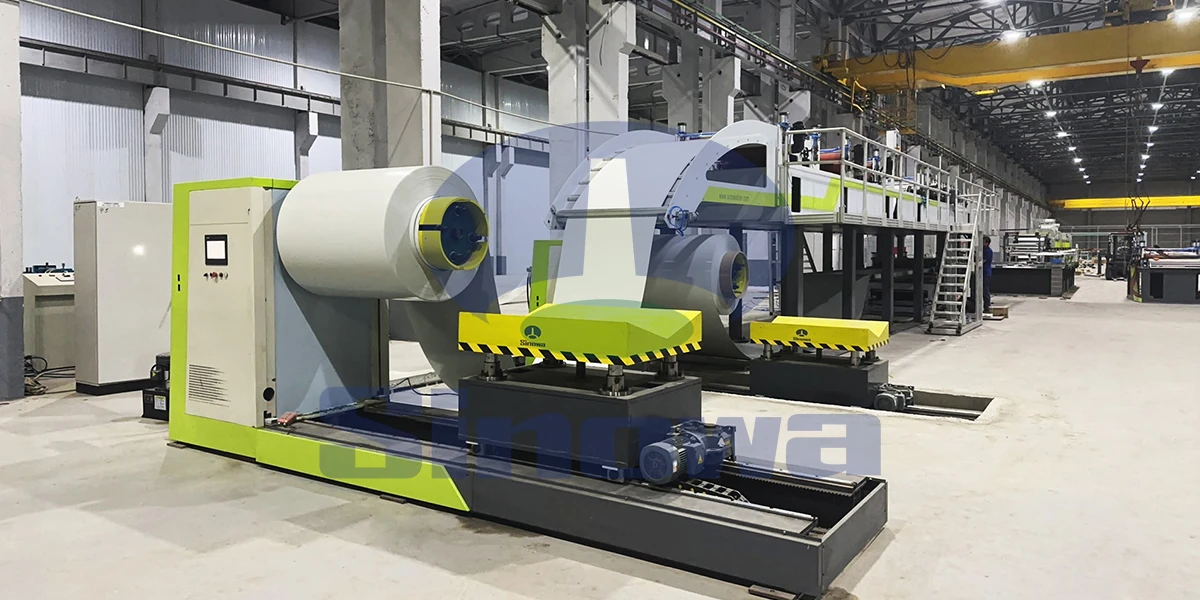
PIR Panel Line
Polyisocyanurate (PIR) panel lines represent a cornerstone of modern composite panel manufacturing, delivering versatile, high-performance building and industrial solutions that balance structural integrity, thermal efficiency, and functional adaptability. These production lines are engineered to fabricate PIR core panels through a continuous, automated manufacturing process, merging advanced chemical formulation, precision molding, and material bonding to create panels that outperform many traditional insulation and structural materials across diverse operating environments. At its core, a PIR panel line is designed to transform raw polymeric materials, facings, and reinforcing components into finished panels with consistent quality, uniform thickness, and tailored performance attributes, catering to the evolving demands of construction, cold chain, HVAC, and industrial infrastructure sectors. Unlike batch production methods, continuous PIR panel lines streamline fabrication, minimize material waste, and ensure repeatable performance, making them indispensable for large-scale and custom panel production alike.
Sinowa dedicated to the research and development of high-end and high-efficiency Sandwich Panel Production Line, Sinowa is comprehensively taking the leading position in terms of efficiency, automation control level, HMI, environment protection and energy consumption, with subversive designs made in some critical technological fields to procure exceptional cost performance and customer-friendly experience for the entire production line. The adoption of system integration technology and bus control technology accomplishes the full automatization of integrated and coordinated control of the entire production line with accessible remote interactive communication. Ranking the first-class level in the world, it is currently the PU Sandwich Panel Machine in the market taking a comprehensive lead in high performance.
Sinowa is a well-known manufacturer and technical service provider of high-end PU Sandwich Panel Machines and various high-performance Cold Roll Forming Machine in China. Our main products include polyurethane double-sided color steel Sandwich Panel Production Line, polyurethane and phenolic soft facing insulation panel production line and high-efficiency roll forming lines.
Sinowa is committed to the development and manufacturing of high-end and high-efficiency Sandwich Panel Lines. Our production lines are leading the way in efficiency, automatic control, human-computer interaction, environmental protection and energy consumption. Using system integration and bus control technology, it realizes the automatic integrated linkage control of the entire production line, and can achieve remote interactive communication, which has the world-class level and a comprehensive leading high-performance production line in the market.
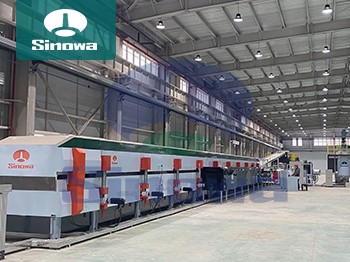
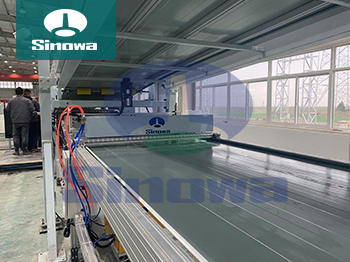
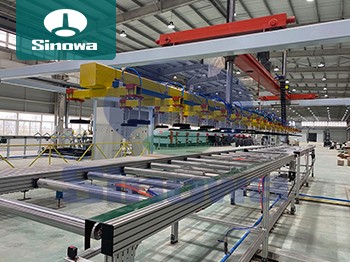
For more than ten years, we have never deliver two same lines to our client, there are all the crystallization of continuous improvement, we have been trying to surpass ourselves, create better products to serve our customers, and also accumulate our brand value, become a unique Chinese enterprise, we are no longer synonymous with low price and mediocre quality.
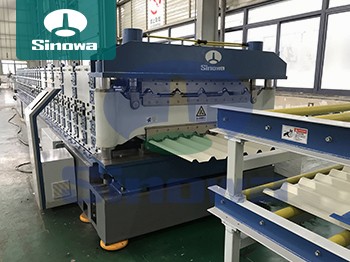
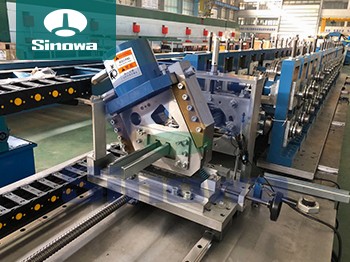
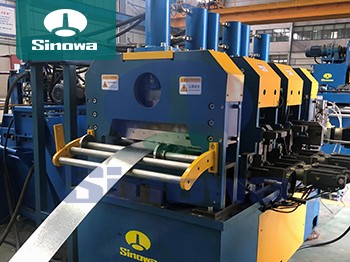
Since 2014, we have established our Cold Forming Machine design and manufacturing department, started our R&D and production of high-end cold forming equipment. Base on our innovative and high-end and efficient product concepts,In just a few years, we have created our own impressive achievements in this field. Whether ordinary construction products of Roll Forming Machine, or precision steel pipe equipment, elevator profile equipment, automotive profile equipment, precision door and window profile equipment, we are the leader of Chinese equipment with high efficiency, high quality and beautiful appearance design.
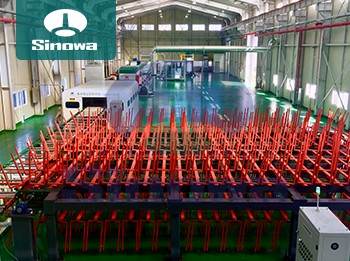
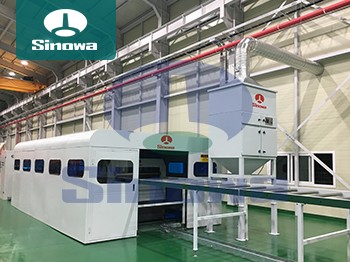
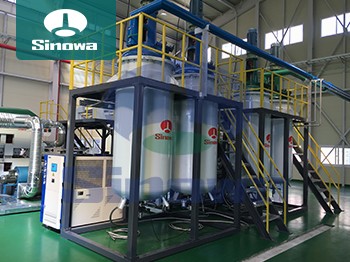
For more than ten years, relying on our innovative manufacturing concept and excellence in quality, reliable and trustworthy service to customers, we cooperate with customers all over the world, exported products to Canada, South Korea, Israel, Australia, the Middle East and other more than 20 countries and regions. contributed to building energy conservation and low-carbon production and have won widespread praise.
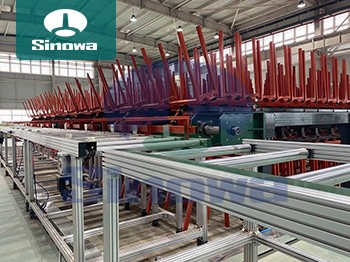
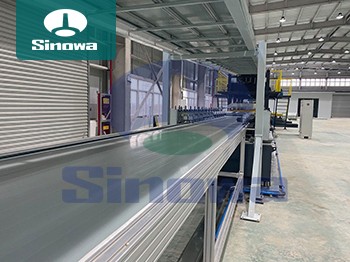
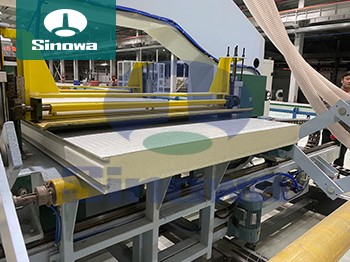
Sinowa has invested outstanding efforts in both the Continuous Insulated PU Sandwich Panel Production Line and the Roll Forming Line, This is why our products are more efficiency, quality, automatic control technology, environmental protection, energy consumption indicators and the appearance and safety protection are comprehensively leading, Some subversive design changes in many major technical points,these major innovations make our products excellent in price/performance and user experience.
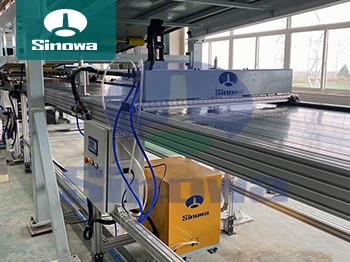
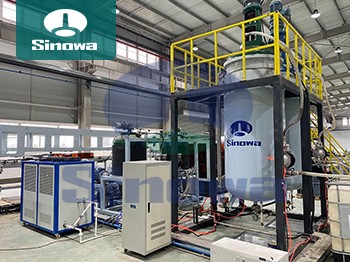
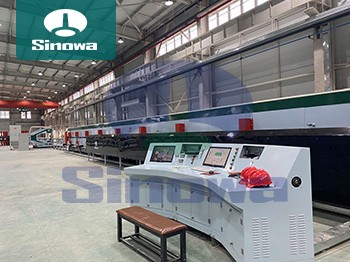
We always position our PU Sandwich Panel Line in a very high standard, strictly optimize every design for more progress. Our continuous innovation, continuous improvement of the technical design principles make us improved product updates and always pay attention to high efficiency, energy saving and stability, reduce customer worries, become their reliable business partners.
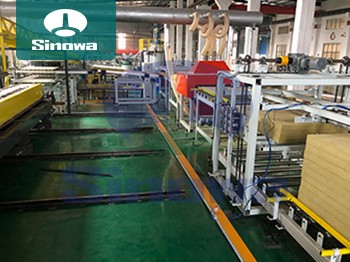
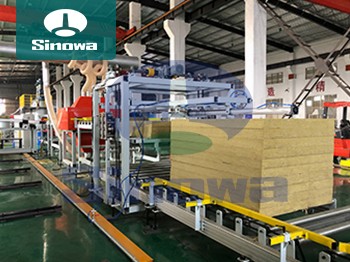
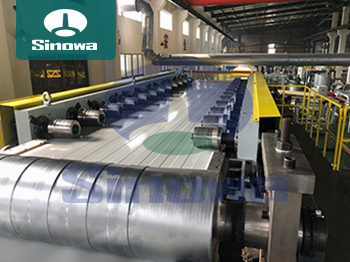
Sinowa Engineering Technology Research Center has always focused on technology research and development. we achieved a large number of scientific research results and unique patented process technology in related product research and development t every year, we continuously improve our products to have high precision and high stability in practical applications, and provide high quality for customers all over the world. Excellent technical personnel, continuous R&D investment and the technical concept of "continuous innovation and continuous improvement" are the strong guarantee for Sinowa to stand out from competitors.
Our focus is not on cost, we always pay attention to the quality of the product and how to do it better!
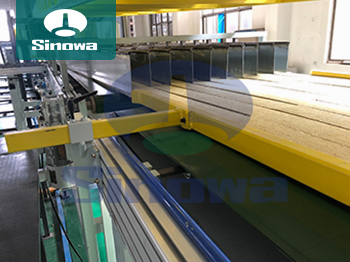
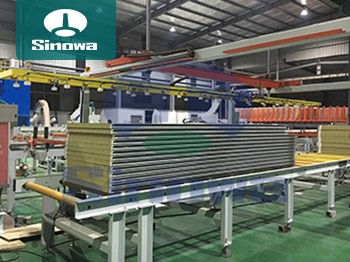
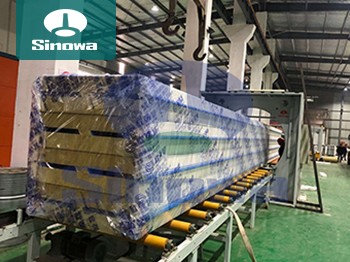
Production process control is a core part of implementing product planning and implementing quality control, which we establish A full range of production management processes and product logistics systems. We firmly believe that production without control and rules will only produce garbage products, so we pay more attention to first-class production control training while establishing a first-class production workshop, strictly follow the 5S management concept, establish systems and standards, ensure that our Sandwich Panel Machines are qualified throughout the process, achieve the technical goals of the company's products to achieve our brand value.
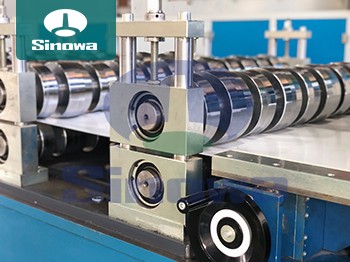
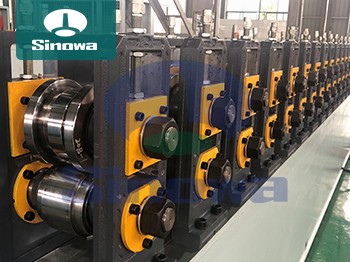
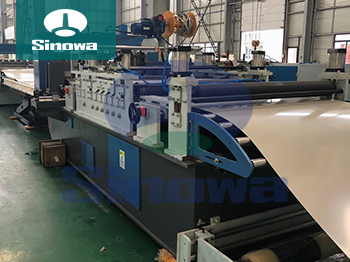
Sinowa has a very comprehensive quality control system, has a group of professional quality control personnel, familiar with almost all testing methods and standards in the field of machining, established a complete mechanical and chemical laboratory with which can fully control all quality links and ensure that all data are accurate, timely optional and available.
Relying on our good Sandwich Panel Machine quality and trustworthy service, our products are exported to more than a dozen countries in the world, and the service field continues to expand, winning more and more praise. Every customer will be our best friend!
The fundamental structure of panels produced via PIR panel lines is defined by a sandwich-style composite design, a configuration that underpins their exceptional mechanical and thermal properties. This layered structure consists of three core components: a rigid PIR foam core, outer facing materials, and adhesive bonding layers that integrate the core and facings into a single, cohesive unit. The PIR foam core is the heart of the panel, formed through a controlled chemical reaction between polyisocyanurate resins, blowing agents, and catalysts, which generates a dense, closed-cell foam structure. This closed-cell framework is characterized by tightly sealed, gas-filled microcells that account for more than 95% of the core’s volume, a structural trait that directly drives the material’s low thermal conductivity and high dimensional stability. The core is typically manufactured with a consistent density range, optimized to strike a balance between lightweight handling and load-bearing capacity, avoiding excessive weight while maintaining structural rigidity.
Surrounding the PIR core are outer facing materials, selected and applied within the panel line to enhance durability, weather resistance, and mechanical strength, with options tailored to end-use requirements. Common facing materials include aluminum foil, galvanized steel sheets, glass tissue, and kraft paper, each offering distinct functional benefits. Aluminum foil facings, widely used in standard production, provide excellent vapor barrier properties, reflect radiant heat, and protect the foam core from moisture intrusion and physical damage during transit and installation. Galvanized steel facings, integrated into heavy-duty panel variants, boost compressive and impact resistance, making panels suitable for high-load structural applications. Glass tissue facings are engineered for compatibility with external waterproofing membranes, enabling direct bonding without compromising core performance, while kraft paper facings facilitate seamless adhesion to interior finishing materials like plasterboard. The panel line’s precision lamination system ensures full, uniform contact between the core and facings, eliminating gaps, air pockets, or delamination risks that could compromise long-term performance.
Beneath the surface structure, the internal architecture of the PIR core further defines panel performance, with the panel line’s processing parameters—including temperature, pressure, and curing time—shaping the foam’s cell size, uniformity, and cross-linking density. Continuous production lines maintain strict control over these variables, ensuring the foam cures evenly and forms a rigid, thermoset polymer matrix that does not soften or deform under moderate heat or pressure. This structural precision translates to consistent panel thickness across the entire length and width, critical for seamless installation and uniform thermal performance. Unlike open-cell foam materials, the closed-cell structure of PIR foam prevents air and moisture penetration, preserving the core’s insulating properties even in humid or damp environments. Additionally, the panel line’s trimming and cutting modules produce panels with clean, precise edges, often with interlocking tongue-and-groove profiles that enhance installation efficiency and reduce thermal bridging at panel joints, a key detail that elevates the overall performance of assembled panel systems.
Performance is the defining advantage of panels manufactured via PIR panel lines, with a suite of functional attributes that position them as a premium choice for demanding applications. Foremost among these is exceptional thermal insulation performance, driven by the low thermal conductivity of the PIR closed-cell foam. The trapped inert gas within the foam microcells has a far lower thermal transfer rate than air, enabling thin panel profiles to deliver high thermal resistance—far superior to mineral wool, expanded polystyrene, and other conventional insulation materials. This efficiency allows designers to achieve strict thermal performance targets without increasing wall, roof, or floor thickness, making PIR panels ideal for space-constrained projects, retrofits, and high-efficiency building designs. The thermal stability of PIR panels is equally notable, with the material maintaining consistent insulation performance across a wide operating temperature range, from sub-zero conditions typical of cold storage facilities to moderate high temperatures in industrial settings, without degradation or performance loss.
Mechanical performance is another cornerstone of PIR panel quality, with panels exhibiting reliable compressive strength, flexural resistance, and dimensional stability tailored to their intended use. Standard PIR panels offer sufficient compressive strength to withstand light to moderate static loads, such as foot traffic in floor applications or roof snow loads, while heavy-duty variants produced on specialized panel lines feature enhanced core density and steel facings to support heavier loads, including equipment placement and limited vehicle traffic. The rigid foam core resists warping, bending, and shrinkage over time, ensuring panels retain their shape and structural integrity even after years of use, reducing maintenance needs and extending service life. Impact resistance is also a key trait; the bonded facing materials shield the core from minor impacts and abrasion, preventing surface damage that could compromise insulation or structural function. Furthermore, PIR panels demonstrate low water absorption rates, a critical performance metric for outdoor and high-humidity applications, as moisture infiltration would otherwise degrade thermal efficiency and promote material deterioration. The closed-cell structure and protective facings work in tandem to repel liquid water and water vapor, maintaining panel performance in coastal, humid, or wet environments.
Fire performance is a carefully engineered attribute of PIR panels, with the panel line’s production process and resin formulation optimizing the material’s fire-resistant properties without compromising other performance metrics. PIR foam is inherently more fire-resistant than polyurethane (PUR) foam, with a higher ignition temperature and slower flame spread rate, reducing the risk of rapid fire propagation. The material self-extinguishes once an ignition source is removed, minimizing smoke generation and limiting fire damage to localized areas. This fire-resistant profile, combined with mechanical and thermal performance, makes PIR panels compliant with stringent building safety standards for residential, commercial, and industrial structures. Additionally, PIR panels exhibit strong chemical resistance, withstanding exposure to common oils, solvents, and mild acids, expanding their usability in industrial workshops, warehouses, and processing facilities where exposure to such substances is common. Collectively, these performance traits—thermal efficiency, mechanical strength, moisture resistance, fire safety, and chemical stability—make PIR panels a versatile, high-value solution for a broad spectrum of applications.
Panels produced on PIR panel lines are categorized into distinct types, differentiated by core density, facing materials, thickness, and functional modifications, each engineered to address specific application needs. The primary classification revolves around intended use cases, with each variant optimized via adjustable panel line settings to deliver targeted performance. Standard general-purpose PIR panels are the most common type, featuring aluminum foil facings, moderate core density, and a versatile thickness range, suitable for widespread thermal insulation and light structural use in residential and commercial construction. These panels are cost-effective to produce at scale, offering balanced performance for everyday applications such as wall insulation, attic insulation, and interior partition walls.
Structural-grade PIR panels represent a heavy-duty variant, manufactured with increased core density, galvanized steel or aluminum sheet facings, and enhanced compressive strength, designed to bear significant structural loads. These panels are produced on panel lines equipped with reinforced lamination and pressing systems, ensuring robust bonding between the core and thick facings to withstand heavy loads, impact, and external forces. Structural-grade panels are ideal for load-bearing walls, roof decks, and floor systems in commercial buildings, industrial warehouses, and agricultural structures, where both insulation and structural support are required. Cold storage-specific PIR panels are another specialized type, engineered with ultra-low thermal conductivity and enhanced moisture resistance to maintain consistent low temperatures for food, pharmaceutical, and chemical storage. These panels feature optimized closed-cell structures, vapor-tight facings, and airtight edge profiles, minimizing thermal leakage and preventing condensation buildup—critical for preserving perishable goods and sensitive materials in cold chain infrastructure.
HVAC-focused PIR panels are tailored for ductwork and ventilation systems, produced with lightweight cores, smooth aluminum facings, and precise dimensional tolerances to ensure airtight duct assembly. These panels offer excellent thermal insulation to prevent energy loss in heating and cooling ducts, while their smooth internal surfaces promote unobstructed airflow and resist dust accumulation, improving HVAC system efficiency and indoor air quality. Thin-profile PIR panels are designed for space-limited applications, such as retrofitting existing buildings, compact residential constructions, and mobile structures, delivering high thermal performance in slim profiles without sacrificing core integrity. Additionally, modified PIR panels with specialized facings—such as fire-retardant coatings, anti-corrosive treatments, or textured surfaces for enhanced adhesion—are produced on adaptable panel lines to meet niche industrial and construction requirements, highlighting the flexibility of PIR panel line technology to cater to diverse market needs.
The versatility of PIR panels, manufactured efficiently via dedicated production lines, translates to a vast array of practical applications across construction, cold chain, industrial, and HVAC sectors, solidifying their role as a foundational material in modern building and infrastructure projects. In the construction industry, PIR panels are widely used for residential and commercial building envelopes, including exterior walls, pitched and flat roofs, suspended floors, and cavity wall insulation. Their high thermal efficiency helps reduce energy consumption for heating and cooling, lowering operational costs and supporting sustainable building design goals. The lightweight nature of PIR panels simplifies transportation and installation, reducing labor time and construction costs compared to heavier traditional building materials, while their dimensional stability ensures long-term structural performance and minimal maintenance.
For cold chain and temperature-controlled storage, PIR panels are the material of choice for constructing cold rooms, freezers, refrigerated warehouses, and insulated transport containers. The exceptional thermal insulation properties maintain stable low temperatures, preventing temperature fluctuations that compromise product quality, while the moisture-resistant and hygienic surface properties comply with strict food safety and pharmaceutical storage standards. The panels’ quick-installation design allows for rapid construction of cold storage facilities, addressing urgent supply chain and storage needs efficiently. In industrial settings, PIR panels are used to build insulated workshops, manufacturing facilities, and temperature-regulated processing areas, protecting equipment and materials from extreme temperatures and harsh environmental conditions. Their chemical resistance and durability make them suitable for heavy-use industrial environments, withstanding daily wear and tear while preserving thermal performance.
In HVAC and building services, PIR panels are extensively used to fabricate pre-insulated air ducts, ventilation shafts, and air handling unit casings, reducing energy loss in air distribution systems and improving overall HVAC efficiency. The airtight construction of PIR duct panels prevents air leakage, ensuring conditioned air reaches intended spaces without waste, while the lightweight design reduces structural load on buildings. Agricultural applications also benefit from PIR panels, which are used to construct insulated livestock housing, greenhouse temperature control systems, and crop storage facilities, maintaining optimal environmental conditions for animal welfare and crop preservation. Additionally, PIR panels are used in modular and prefabricated construction, where their lightweight, durable, and thermally efficient properties align with the demand for quick-assembly, portable, and sustainable building solutions, from temporary site offices to permanent modular homes.
Beyond these core applications, PIR panels continue to gain traction in sustainable building initiatives, as their high thermal efficiency contributes to reduced energy usage and lower carbon emissions throughout a building’s operational life. The manufacturing process of PIR panel lines has also evolved to prioritize eco-friendly practices, with modern production lines utilizing low global warming potential (GWP) blowing agents and minimizing material waste, aligning with global sustainability targets. As demand for energy-efficient, durable, and versatile building materials rises, PIR panel lines remain at the forefront of composite panel innovation, continuously refining production techniques to enhance panel performance, expand application possibilities, and meet the evolving needs of global construction and industrial markets. The enduring value of PIR panels stems from their unique combination of structural resilience, thermal excellence, and adaptability—traits engineered into every panel through the precision, consistency, and technological sophistication of dedicated PIR panel lines.
In summary, PIR panel lines are integral to producing high-performance composite panels that redefine standards in thermal insulation, structural functionality, and operational versatility. The sophisticated sandwich structure, engineered with precision-controlled closed-cell foam cores and tailored facings, delivers a robust set of performance attributes, from exceptional thermal efficiency and mechanical strength to fire resistance and moisture protection. Diverse panel types, manufactured via adjustable production line settings, cater to specific industry needs, spanning general construction, cold storage, HVAC, industrial, and agricultural applications. As a key enabler of energy-efficient, sustainable, and cost-effective infrastructure, PIR panels and their dedicated production lines continue to play a vital role in shaping modern construction practices, offering reliable, long-lasting solutions that balance performance, practicality, and environmental responsibility across countless projects worldwide.
« PIR Panel Line » Update Date: 2026/3/11
URL: https://m.sinowa.cn/blog/pir-panel-line.html
A pu sandwich panel line stands as a highly efficient and automated production solution dedicated to manufacturing high-performance insulated panels, playing a vital role in modern construction and industrial engineering sectors. This integrated production system streamlines the entire manufacturing process, starting with the uncoiling and leveling of outer facing materials, which are carefully treated to ensure flat, smooth surfaces free of defects and suitable for subsequent bonding. Next comes the core production step: precise mixing and uniform distribution of polyurethane raw materials, where specialized equipment controls the ratio and flow rate strictly to guarantee consistent foam density and stable bonding performance between the core and facings. The pu sandwich panel machine features a controlled curing and forming system that maintains stable temperature and pressure conditions, allowing the polyurethane foam to fully expand, solidify and bond tightly with the upper and lower layers, forming a rigid, durable sandwich structure. Post-forming, the panels go through accurate cutting and finishing processes to meet diverse size specifications demanded by different projects. Designed for continuous operation, this pu sandwich panel production line boosts manufacturing efficiency remarkably while ensuring uniform product quality across batches, reducing manual errors and material waste effectively. The finished PU sandwich panels deliver outstanding thermal insulation, sound absorption and structural strength, making them widely applicable in building roofs, walls, cold storage facilities and industrial workshops, adapting to various environmental and functional needs with reliable performance and long service life.