- Home
- Sandwich Panel Line
- Roll Forming Machine
- CZ Purlin Roll Forming Machine
- Door Window Curtain Partition Roll Forming Machine
- Gutter Roll Forming Machine
- Clean Partition Panel Machine
- Corrugated Panel Roll Forming Machine
- Double Layer Roof Roll Forming Machine
- High Speed Keel Roll Forming Machine
- Light Steel-Frame Structure Production Line
- C Channel Roll Forming Machine
- Insulated Panels
- Steel Profiles
- About
- Contact
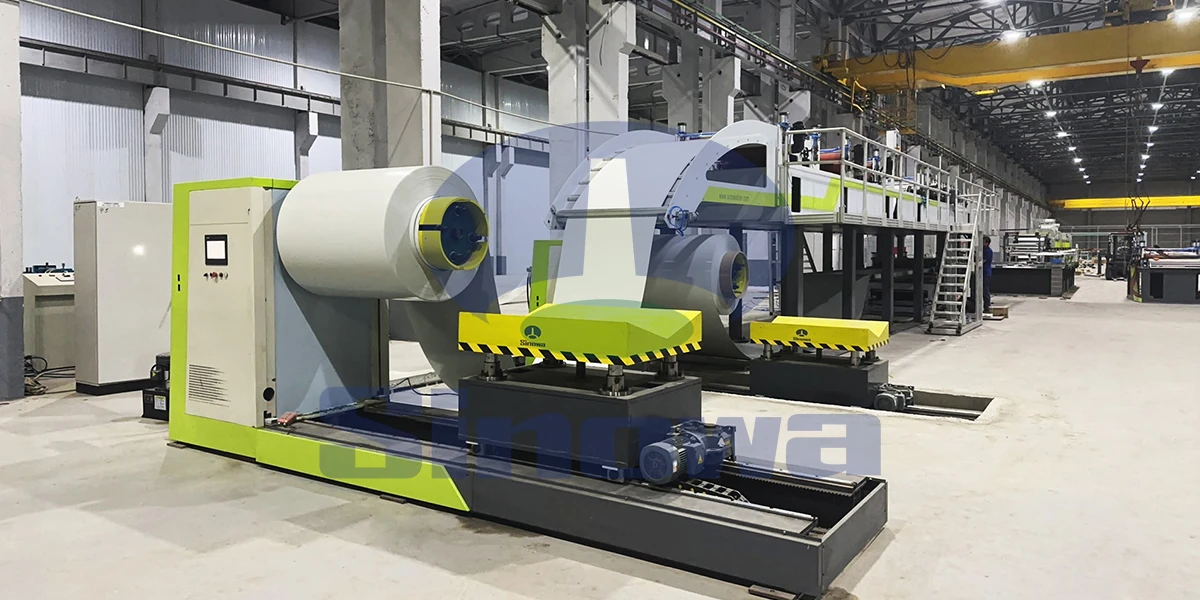
PU Sandwich Panel Line Supplier
Sinowa is a pu sandwich panel line supplier from china, design and custom-made pu sandwich panel line, know more about pu sandwich panel line supplier, pls contact us, we will contact you as soon as possible!
In the global landscape of industrial and construction manufacturing, PU sandwich panels have emerged as one of the most versatile and high-performance building and insulation materials, driving a steady rise in demand for efficient, durable and customizable production solutions. At the heart of this supply chain lies the PU sandwich panel line supplier, a critical partner that bridges technical innovation, manufacturing expertise and end-user needs, shaping the quality, efficiency and long-term viability of PU sandwich panel production worldwide. Unlike generic equipment providers, specialized PU sandwich panel line suppliers offer far more than just machinery; they deliver integrated solutions, tailored engineering, ongoing technical support and deep industry insight that directly impacts the success of panel manufacturers across cold storage, commercial construction, residential building, industrial warehouse and clean room sectors.
Sinowa dedicated to the research and development of high-end and high-efficiency Sandwich Panel Production Line, Sinowa is comprehensively taking the leading position in terms of efficiency, automation control level, HMI, environment protection and energy consumption, with subversive designs made in some critical technological fields to procure exceptional cost performance and customer-friendly experience for the entire production line. The adoption of system integration technology and bus control technology accomplishes the full automatization of integrated and coordinated control of the entire production line with accessible remote interactive communication. Ranking the first-class level in the world, it is currently the PU Sandwich Panel Machine in the market taking a comprehensive lead in high performance.
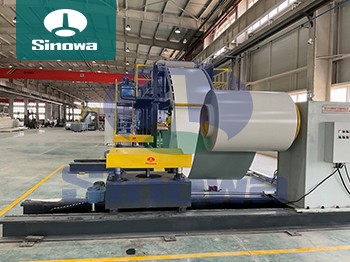
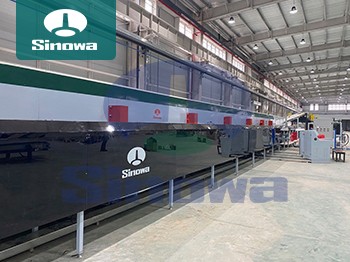
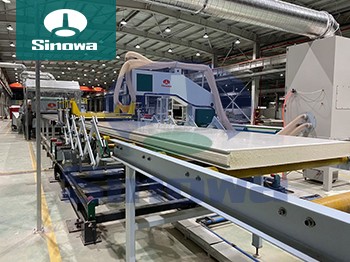
Sinowa is a well-known manufacturer and technical service provider of high-end PU Sandwich Panel Machines and various high-performance Cold Roll Forming Machine in China. Our main products include polyurethane double-sided color steel Sandwich Panel Production Line, polyurethane and phenolic soft facing insulation panel production line and high-efficiency roll forming lines.
Sinowa is committed to the development and manufacturing of high-end and high-efficiency Sandwich Panel Lines. Our production lines are leading the way in efficiency, automatic control, human-computer interaction, environmental protection and energy consumption. Using system integration and bus control technology, it realizes the automatic integrated linkage control of the entire production line, and can achieve remote interactive communication, which has the world-class level and a comprehensive leading high-performance production line in the market.
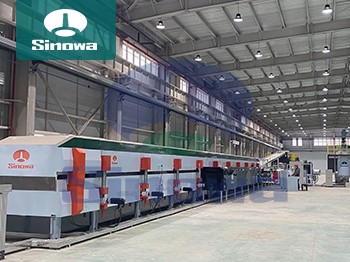
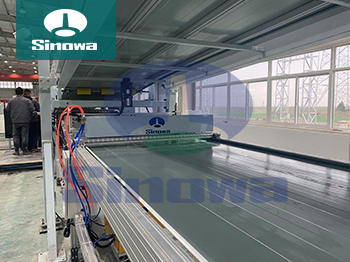
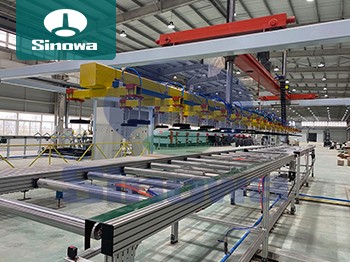
For more than ten years, we have never deliver two same lines to our client, there are all the crystallization of continuous improvement, we have been trying to surpass ourselves, create better products to serve our customers, and also accumulate our brand value, become a unique Chinese enterprise, we are no longer synonymous with low price and mediocre quality.
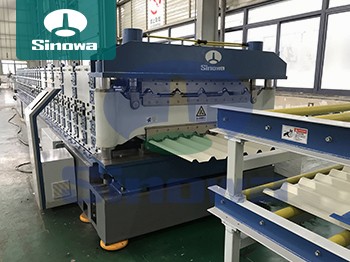
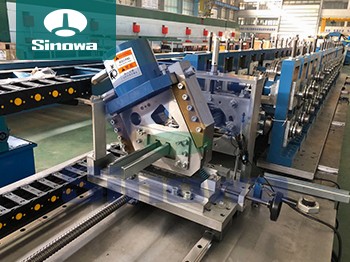
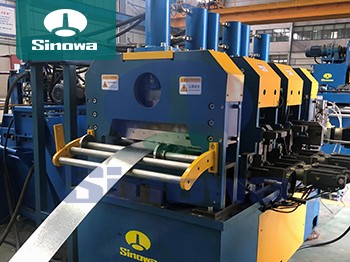
Since 2014, we have established our Cold Forming Machine design and manufacturing department, started our R&D and production of high-end cold forming equipment. Base on our innovative and high-end and efficient product concepts,In just a few years, we have created our own impressive achievements in this field. Whether ordinary construction products of Roll Forming Machine, or precision steel pipe equipment, elevator profile equipment, automotive profile equipment, precision door and window profile equipment, we are the leader of Chinese equipment with high efficiency, high quality and beautiful appearance design.
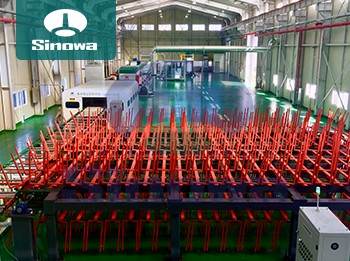
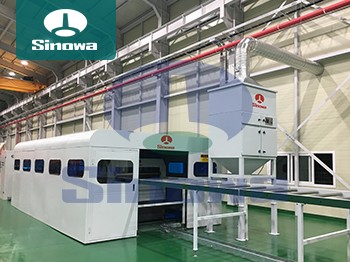
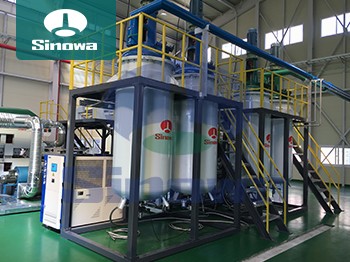
For more than ten years, relying on our innovative manufacturing concept and excellence in quality, reliable and trustworthy service to customers, we cooperate with customers all over the world, exported products to Canada, South Korea, Israel, Australia, the Middle East and other more than 20 countries and regions. contributed to building energy conservation and low-carbon production and have won widespread praise.
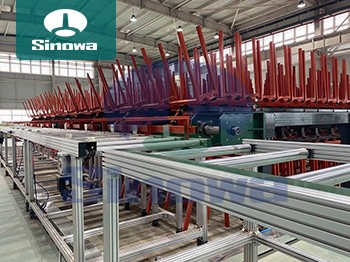
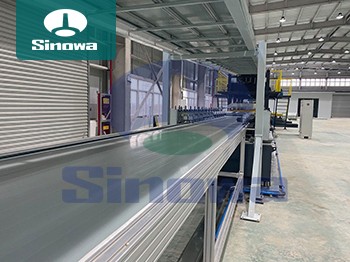
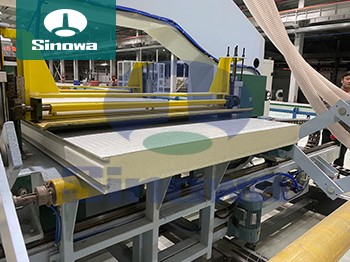
Sinowa has invested outstanding efforts in both the Continuous Insulated PU Sandwich Panel Production Line and the Roll Forming Line, This is why our products are more efficiency, quality, automatic control technology, environmental protection, energy consumption indicators and the appearance and safety protection are comprehensively leading, Some subversive design changes in many major technical points,these major innovations make our products excellent in price/performance and user experience.
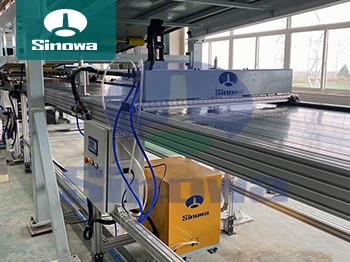
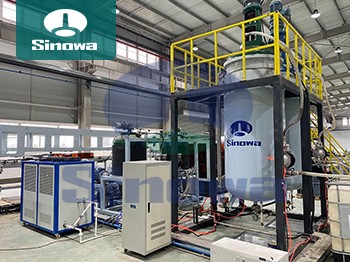
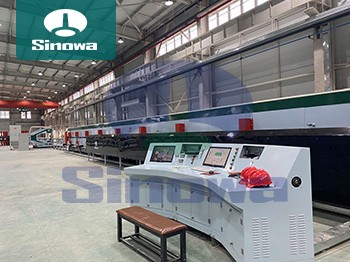
We always position our PU Sandwich Panel Line in a very high standard, strictly optimize every design for more progress. Our continuous innovation, continuous improvement of the technical design principles make us improved product updates and always pay attention to high efficiency, energy saving and stability, reduce customer worries, become their reliable business partners.
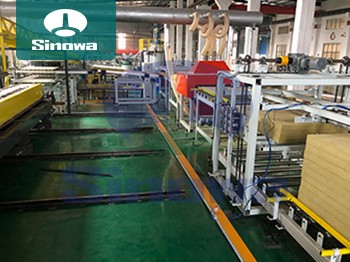
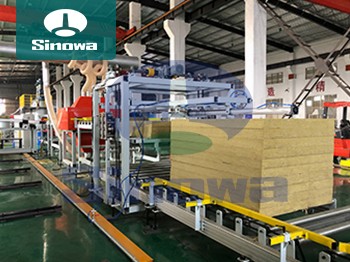
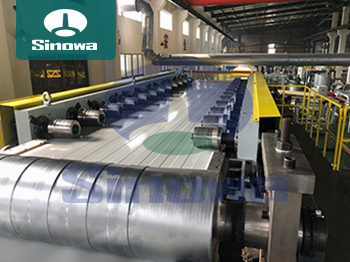
Sinowa Engineering Technology Research Center has always focused on technology research and development. we achieved a large number of scientific research results and unique patented process technology in related product research and development t every year, we continuously improve our products to have high precision and high stability in practical applications, and provide high quality for customers all over the world. Excellent technical personnel, continuous R&D investment and the technical concept of "continuous innovation and continuous improvement" are the strong guarantee for Sinowa to stand out from competitors.
Our focus is not on cost, we always pay attention to the quality of the product and how to do it better!
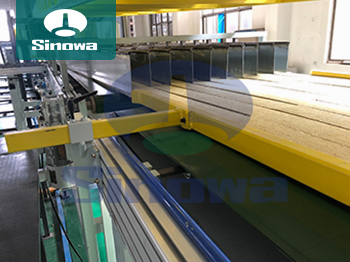
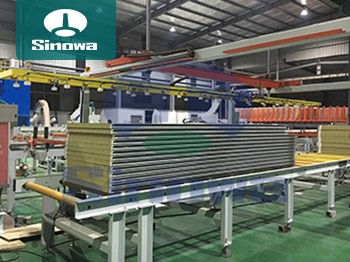
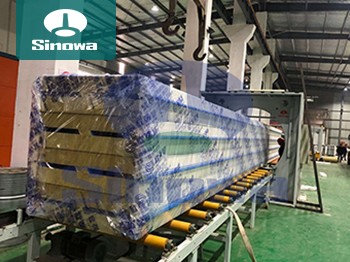
Production process control is a core part of implementing product planning and implementing quality control, which we establish A full range of production management processes and product logistics systems. We firmly believe that production without control and rules will only produce garbage products, so we pay more attention to first-class production control training while establishing a first-class production workshop, strictly follow the 5S management concept, establish systems and standards, ensure that our Sandwich Panel Machines are qualified throughout the process, achieve the technical goals of the company's products to achieve our brand value.
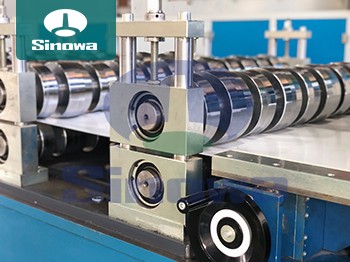
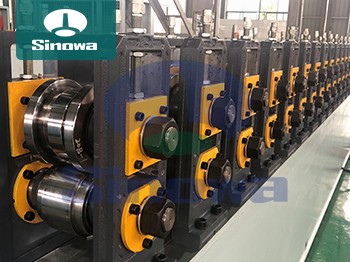
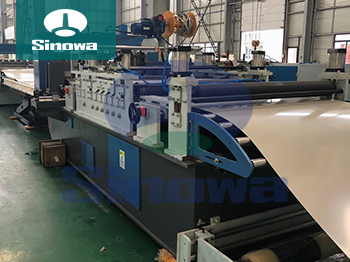
Sinowa has a very comprehensive quality control system, has a group of professional quality control personnel, familiar with almost all testing methods and standards in the field of machining, established a complete mechanical and chemical laboratory with which can fully control all quality links and ensure that all data are accurate, timely optional and available.
Relying on our good Sandwich Panel Machine quality and trustworthy service, our products are exported to more than a dozen countries in the world, and the service field continues to expand, winning more and more praise. Every customer will be our best friend!
To understand the importance of a reputable PU sandwich panel line supplier, it is first necessary to grasp the complexity and precision required in PU sandwich panel production. PU sandwich panels consist of a rigid polyurethane foam core bonded between two outer facing materials, most commonly metal sheets, but also including other composite materials for specialized applications. The production process is a highly coordinated, continuous or semi-continuous operation that demands strict control over temperature, pressure, material mixing, curing and finishing, with even minor deviations leading to compromised panel quality, reduced insulation performance, structural instability or material waste. A dedicated supplier understands every nuance of this process, from the initial uncoiling of raw metal coils to the final stacking and packaging of finished panels, and designs production lines that harmonize each stage to eliminate bottlenecks, reduce downtime and maintain consistent product quality. Unlike general-purpose manufacturing equipment, PU sandwich panel lines are engineered specifically for the unique properties of polyurethane foam, which requires precise chemical mixing, controlled foaming, uniform pressure application and gradual curing to achieve optimal density, adhesion and thermal resistance. Suppliers that specialize in this niche bring years of hands-on experience and iterative design improvements to their equipment, ensuring that every component of the production line is optimized for the unique demands of PU panel manufacturing, rather than being a repurposed version of machinery designed for other materials.
A full-scale PU sandwich panel production line, as supplied by leading specialized providers, integrates a series of interconnected workstations that operate in synchronized harmony, with each section designed to perform a specific task without disrupting the overall flow of production. The process begins with the uncoiling system, which holds and feeds large metal coils smoothly into the line, with tension control mechanisms to prevent wrinkling, warping or misalignment of the thin metal sheets that form the panel facings. Following uncoiling, the sheets pass through a roll forming station, where they are shaped into the required profile—whether flat, corrugated or custom-designed—with precision tooling that ensures uniform dimensions across the entire length of the sheet. Many advanced lines also include a surface treatment station at this stage, which prepares the metal surface for optimal adhesion with the polyurethane core, removing contaminants, reducing static electricity and enhancing the bond strength between the facing and the foam, a critical step in preventing delamination over the panel’s lifespan. Next, the pre-heating system gently raises the temperature of the upper and lower metal sheets to a precise level, which is essential for ensuring that the polyurethane foam cures evenly and bonds effectively, as temperature fluctuations can cause uneven foaming, weak spots or incomplete curing that undermines the panel’s insulation and structural properties.
The core of the entire production line, and the area where a supplier’s technical expertise is most evident, is the polyurethane mixing and foaming system. This section is responsible for accurately dispensing and mixing the two primary chemical components of polyurethane foam, along with any additives that enhance performance, such as flame retardants, sound-dampening agents or climate-specific stabilizers. The mixing process must be executed with extreme precision, with exact ratios maintained consistently to ensure the foam’s density, compressive strength and thermal conductivity meet strict specifications. High-quality suppliers engineer mixing systems with variable speed controls, automated dosing and closed-loop monitoring to prevent material waste and ensure batch-to-batch consistency, even during long production runs. Once mixed, the liquid polyurethane mixture is evenly distributed onto the lower metal sheet, immediately before the upper sheet is positioned on top, forming a sandwich structure that enters the double belt conveyor system. This conveyor system is another hallmark of superior supplier design, featuring parallel upper and lower belts that apply uniform, consistent pressure across the entire width and length of the panel as the foam expands and cures. The length and speed of the double belt system are calibrated to match the curing time of the polyurethane, with integrated temperature control to maintain an optimal curing environment, ensuring that the foam solidifies evenly without air pockets, uneven density or separation from the metal facings. This stage is make-or-break for panel quality, and a skilled supplier will customize the double belt system’s specifications—including length, pressure range and temperature control—to match the client’s target panel thickness, core density and production speed.
After the curing process is complete, the continuous panel strip moves through the cutting and trimming section, where it is cut to precise, customizable lengths based on client requirements, with clean, straight edges and minimal material loss. Advanced cutting systems, provided by top suppliers, feature automated length measurement and synchronized cutting to ensure accuracy, even at high production speeds, and can handle a wide range of panel thicknesses without compromising cut quality. Following cutting, the finished panels pass through a cooling station to dissipate residual heat and stabilize the material, preventing warping or shrinkage before handling. The final stage of the line includes a stacking and packaging system, which gently stacks the finished panels to avoid surface damage and prepares them for storage or shipping, with automated handling to reduce manual labor and minimize the risk of scratches, dents or other cosmetic defects that can affect the panel’s marketability. Throughout the entire line, integrated control systems allow operators to monitor and adjust key parameters—such as line speed, temperature, pressure and material dosing—from a centralized interface, with real-time feedback to quickly address any minor issues before they impact production quality. The best suppliers design these control systems for user-friendliness, even for operators with limited specialized training, while also building in robust safety features to protect personnel and prevent equipment damage, creating a safe and efficient working environment for manufacturing teams.
One of the most significant advantages of partnering with a specialized PU sandwich panel line supplier, rather than a general equipment vendor, is the ability to access fully customized solutions tailored to the client’s unique operational needs, production capacity and target market. Every panel manufacturer has distinct requirements: some focus on high-volume production of standard-sized panels for residential and commercial construction, while others specialize in thick, heavy-duty panels for cold storage and freezer facilities, or thin, lightweight panels for interior partition walls and clean room applications. Smaller manufacturers may require compact, semi-continuous lines that fit limited factory space, while large-scale industrial producers need fully automated, continuous lines with minimal manual intervention and maximum output. A reputable supplier takes the time to assess the client’s factory layout, production goals, raw material specifications and end-product requirements, then engineers a production line that is perfectly scaled and configured to meet those needs, rather than offering a one-size-fits-all solution. This customization can include adjusting the line’s production speed, modifying the roll forming tooling for unique panel profiles, adapting the foaming system for specialized polyurethane formulations, or integrating additional stations for enhanced functionality, such as edge sealing, surface coating or labeling. This level of customization ensures that the client does not invest in unnecessary features or oversized equipment, while also ensuring that the line can adapt to future changes in market demand, such as shifts in panel size preferences, new material formulations or stricter performance standards for insulation and sustainability.
Beyond equipment design and manufacturing, a reliable PU sandwich panel line supplier provides comprehensive end-to-end support that extends long after the equipment is installed and operational, a critical factor that distinguishes top suppliers from less experienced vendors. The support process typically begins with pre-sales consultation, where the supplier’s technical team collaborates closely with the client to assess their needs, provide detailed product information, and offer transparent guidance on line configuration, production efficiency and long-term operational costs. This collaborative approach helps clients make informed decisions without pressure, ensuring that the selected production line aligns with their budget constraints and long-term business objectives. Once the line is manufactured, the supplier oversees safe transportation to the client’s facility, followed by professional installation and commissioning by a team of experienced technicians. These technicians ensure that every component is installed correctly, calibrated to optimal performance standards, and integrated seamlessly with the client’s existing factory infrastructure, minimizing downtime and ensuring a smooth transition to full production. Following installation, the supplier provides comprehensive training for the client’s operating and maintenance teams, covering everything from daily operation and routine maintenance to troubleshooting common issues and optimizing production parameters for maximum efficiency. This training is tailored to the client’s team skill level, ensuring that even staff with no prior experience with PU panel production can operate the line confidently and safely.
Post-commissioning support is equally vital, and a trustworthy supplier maintains ongoing communication with clients to address any technical issues, provide software updates or mechanical adjustments, and supply genuine replacement parts promptly when needed. Production downtime in the panel manufacturing industry is costly, as it delays order fulfillment, increases operational costs and damages customer relationships, so a supplier that offers responsive, reliable after-sales support is an invaluable partner. Top suppliers also offer long-term maintenance contracts and periodic on-site inspections to proactively identify potential equipment wear or performance issues before they lead to breakdowns, extending the lifespan of the production line and protecting the client’s investment. Additionally, many specialized suppliers stay up-to-date with the latest industry innovations, material advancements and manufacturing technologies, and share this knowledge with their clients, offering guidance on process improvements, efficiency upgrades and sustainability enhancements that can help manufacturers stay competitive in a rapidly evolving market. This ongoing partnership model creates a mutually beneficial relationship, where the supplier’s success is tied to the client’s success, fostering loyalty and long-term collaboration rather than a one-time transaction.
The global demand for PU sandwich panels continues to grow, driven by several key industry trends that directly impact the role and capabilities of PU sandwich panel line suppliers. First, the global push for energy efficiency and sustainable building practices has increased demand for high-performance insulation materials, and PU sandwich panels are widely recognized for their exceptional thermal resistance, which reduces heating and cooling energy consumption in buildings and cold storage facilities. As governments and businesses worldwide implement stricter energy efficiency standards, manufacturers require production lines that can consistently produce panels with optimal insulation properties, and suppliers must engineer equipment that meets these elevated performance requirements without sacrificing production speed or cost efficiency. Second, the expansion of the cold chain and logistics industry, fueled by growth in food processing, pharmaceuticals and e-commerce, has driven demand for heavy-duty, moisture-resistant PU sandwich panels that maintain stable temperatures and prevent temperature fluctuations. Suppliers have responded by developing production lines with enhanced curing systems, improved bonding technology and corrosion-resistant components to meet the rigorous demands of cold storage panel production, ensuring long-term durability in high-humidity, low-temperature environments.
Another key trend is the growing emphasis on automation and smart manufacturing in industrial production, and PU sandwich panel line suppliers are at the forefront of integrating advanced technologies into their equipment. Modern production lines increasingly feature automated material handling, real-time performance monitoring, remote troubleshooting capabilities and data-driven process optimization, reducing reliance on manual labor, minimizing human error and improving overall production efficiency. Suppliers that invest in research and development to incorporate these smart technologies help their clients stay ahead of industry curve, boosting productivity, reducing operational costs and improving product consistency. Additionally, there is a rising focus on environmental sustainability in manufacturing processes, including reducing material waste, lowering energy consumption and minimizing chemical emissions during production. Reputable suppliers design production lines with energy-efficient components, closed-loop material recovery systems and low-emission foaming technology, helping clients reduce their environmental footprint while complying with global sustainability goals and regulatory expectations. This focus on sustainability is not only environmentally responsible but also economically beneficial, as it reduces long-term operational costs for manufacturers and enhances their brand reputation among eco-conscious customers and partners.
When selecting a PU sandwich panel line supplier, manufacturers must evaluate several key factors to ensure they choose a partner that can meet their short-term and long-term needs, beyond just basic equipment functionality. First and foremost is technical expertise and industry experience: a supplier with a proven track record in designing and manufacturing PU sandwich panel lines will have a deep understanding of the material science, production mechanics and quality control requirements unique to this industry, avoiding common design flaws and performance issues that plague less experienced vendors. It is important to assess the supplier’s portfolio of past projects, their ability to handle custom requests, and their knowledge of different panel applications, from standard construction panels to specialized cold storage and industrial panels. Second is the quality of materials and craftsmanship used in the production line: high-grade, durable components ensure the line operates reliably for years with minimal maintenance, reducing long-term ownership costs and avoiding frequent breakdowns. Suppliers that prioritize quality in every component, from the roll forming tooling to the conveyor belts and control systems, deliver equipment that holds up to continuous, heavy-duty use, a critical consideration for manufacturers with high production volumes.
Flexibility and scalability are also essential factors when evaluating a supplier. The manufacturing industry is constantly evolving, and client needs may change over time—production volumes may increase, new panel sizes or profiles may be required, or new material formulations may be adopted. A supplier that offers flexible, scalable production lines, with the ability to upgrade or modify equipment as needed, allows manufacturers to adapt to these changes without investing in an entirely new line, protecting their initial investment and ensuring long-term versatility. Additionally, the supplier’s global reach and logistical capabilities are important for manufacturers operating in international markets, as reliable transportation, timely installation and accessible after-sales support across different regions ensure consistent service quality regardless of location. Communication and responsiveness are equally vital; a supplier that listens to the client’s needs, provides clear and timely updates throughout the design and manufacturing process, and responds quickly to technical support requests creates a smooth, stress-free partnership that minimizes disruptions to the client’s business operations.
It is also important for manufacturers to look beyond upfront costs when selecting a supplier, as the lowest initial price does not always translate to the best long-term value. A production line that is poorly designed or built with low-quality components may require frequent repairs, produce inconsistent panel quality, or operate at low efficiency, leading to higher operational costs, material waste and lost revenue over time. In contrast, a high-quality line from a reputable supplier may have a higher initial investment but delivers lower long-term maintenance costs, higher production efficiency, consistent panel quality and a longer operational lifespan, resulting in a better return on investment. A reliable supplier will provide transparent information about the total cost of ownership, including maintenance requirements, energy consumption and expected lifespan, helping clients make a fully informed financial decision that aligns with their business goals.
In conclusion, PU sandwich panel line suppliers are indispensable partners in the global manufacturing ecosystem, playing a pivotal role in the production of high-quality, versatile insulation and construction materials that are essential to modern infrastructure, cold chain logistics and sustainable building practices. More than just equipment providers, these specialized suppliers bring technical expertise, custom engineering, comprehensive support and industry innovation to help panel manufacturers succeed in a competitive market. The best suppliers prioritize quality, customization and long-term partnership, working closely with clients to design, build and maintain production lines that meet their unique needs, enhance operational efficiency and deliver consistent, high-performance products. As the demand for PU sandwich panels continues to rise, driven by energy efficiency goals, cold chain expansion and sustainable manufacturing trends, the role of reliable, innovative PU sandwich panel line suppliers will only become more critical. Manufacturers that choose the right supplier gain not only a high-performance production line but also a trusted partner that supports their growth, adapts to their evolving needs and helps them stay competitive in a dynamic global market. In an industry where precision, consistency and reliability are paramount, the value of a reputable PU sandwich panel line supplier cannot be overstated, as they are the foundation upon which successful panel manufacturing businesses are built.
« PU Sandwich Panel Line Supplier » Update Date: 2026/3/20
Tags: Fully Automatic PU Sandwich Panel Lines , Continuous PU Sandwich Panel Line , PU Sandwich Panel Line ,
URL: https://m.sinowa.cn/blog/pu-sandwich-panel-line-supplier.html
A pu sandwich panel line stands as a highly efficient and automated production solution dedicated to manufacturing high-performance insulated panels, playing a vital role in modern construction and industrial engineering sectors. This integrated production system streamlines the entire manufacturing process, starting with the uncoiling and leveling of outer facing materials, which are carefully treated to ensure flat, smooth surfaces free of defects and suitable for subsequent bonding. Next comes the core production step: precise mixing and uniform distribution of polyurethane raw materials, where specialized equipment controls the ratio and flow rate strictly to guarantee consistent foam density and stable bonding performance between the core and facings. The pu sandwich panel machine features a controlled curing and forming system that maintains stable temperature and pressure conditions, allowing the polyurethane foam to fully expand, solidify and bond tightly with the upper and lower layers, forming a rigid, durable sandwich structure. Post-forming, the panels go through accurate cutting and finishing processes to meet diverse size specifications demanded by different projects. Designed for continuous operation, this pu sandwich panel production line boosts manufacturing efficiency remarkably while ensuring uniform product quality across batches, reducing manual errors and material waste effectively. The finished PU sandwich panels deliver outstanding thermal insulation, sound absorption and structural strength, making them widely applicable in building roofs, walls, cold storage facilities and industrial workshops, adapting to various environmental and functional needs with reliable performance and long service life.