- Home
- Sandwich Panel Line
- Roll Forming Machine
- CZ Purlin Roll Forming Machine
- Door Window Curtain Partition Roll Forming Machine
- Gutter Roll Forming Machine
- Clean Partition Panel Machine
- Corrugated Panel Roll Forming Machine
- Double Layer Roof Roll Forming Machine
- High Speed Keel Roll Forming Machine
- Light Steel-Frame Structure Production Line
- C Channel Roll Forming Machine
- Insulated Panels
- Steel Profiles
- About
- Contact
Sandwich Panel Machines Manufacturer
Sinowa is a sandwich panel machine supplier from china, design and custom-made sandwich panel machine, know more about sandwich panel machines manufacturer, pls contact us, we will contact you as soon as possible!
In the modern construction and manufacturing industries, the demand for efficient, high-quality, and versatile building materials has driven the continuous development of sandwich panel technology. Sandwich panels, known for their excellent combination of structural strength, thermal insulation, soundproofing, and lightweight properties, have become indispensable in a wide range of applications, from industrial warehouses and cold storage facilities to commercial buildings and prefabricated modular structures. Behind the mass production of these high-performance panels lies the critical role of sandwich panel machines, which are designed to automate and optimize the manufacturing process, ensuring consistency, efficiency, and adaptability to diverse production needs. As a dedicated manufacturer of sandwich panel machines, the focus is on developing and producing equipment that meets the evolving requirements of the industry, integrating advanced technologies to deliver reliable solutions for businesses of all sizes.
Sinowa dedicated to the research and development of high-end and high-efficiency Sandwich Panel Production Line, Sinowa is comprehensively taking the leading position in terms of efficiency, automation control level, HMI, environment protection and energy consumption, with subversive designs made in some critical technological fields to procure exceptional cost performance and customer-friendly experience for the entire production line. The adoption of system integration technology and bus control technology accomplishes the full automatization of integrated and coordinated control of the entire production line with accessible remote interactive communication. Ranking the first-class level in the world, it is currently the PU Sandwich Panel Machine in the market taking a comprehensive lead in high performance.
Sinowa is a well-known manufacturer and technical service provider of high-end PU Sandwich Panel Machines and various high-performance Cold Roll Forming Machine in China. Our main products include polyurethane double-sided color steel Sandwich Panel Production Line, polyurethane and phenolic soft facing insulation panel production line and high-efficiency roll forming lines.
Sinowa is committed to the development and manufacturing of high-end and high-efficiency Sandwich Panel Lines. Our production lines are leading the way in efficiency, automatic control, human-computer interaction, environmental protection and energy consumption. Using system integration and bus control technology, it realizes the automatic integrated linkage control of the entire production line, and can achieve remote interactive communication, which has the world-class level and a comprehensive leading high-performance production line in the market.
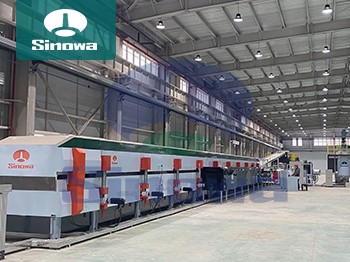
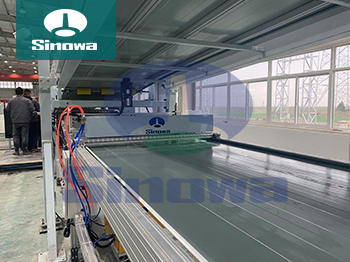
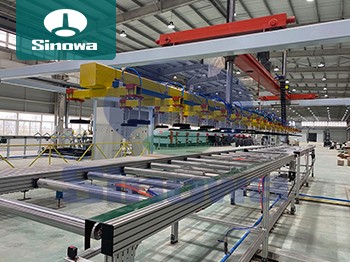
For more than ten years, we have never deliver two same lines to our client, there are all the crystallization of continuous improvement, we have been trying to surpass ourselves, create better products to serve our customers, and also accumulate our brand value, become a unique Chinese enterprise, we are no longer synonymous with low price and mediocre quality.
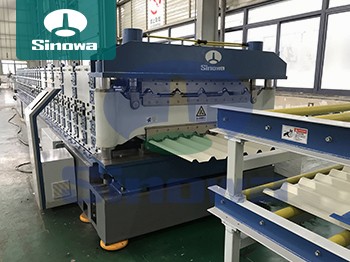
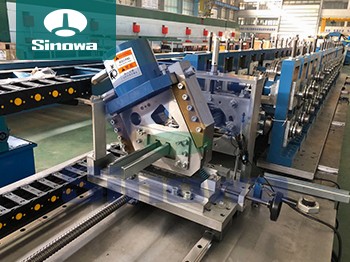
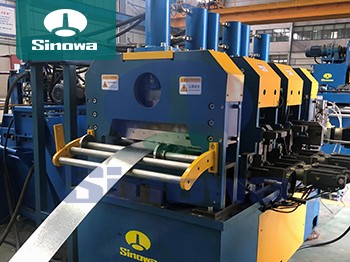
Since 2014, we have established our Cold Forming Machine design and manufacturing department, started our R&D and production of high-end cold forming equipment. Base on our innovative and high-end and efficient product concepts,In just a few years, we have created our own impressive achievements in this field. Whether ordinary construction products of Roll Forming Machine, or precision steel pipe equipment, elevator profile equipment, automotive profile equipment, precision door and window profile equipment, we are the leader of Chinese equipment with high efficiency, high quality and beautiful appearance design.
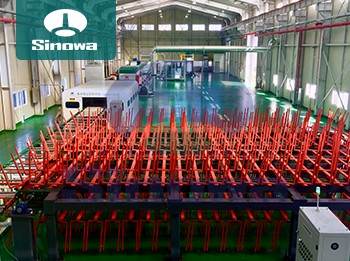
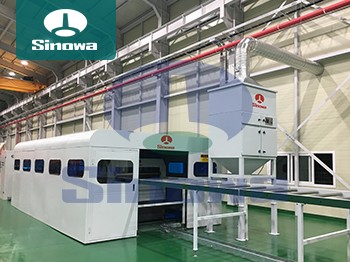
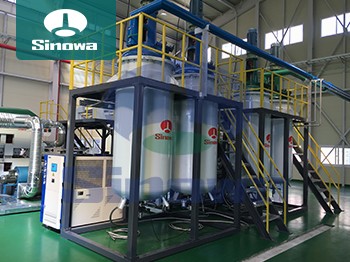
For more than ten years, relying on our innovative manufacturing concept and excellence in quality, reliable and trustworthy service to customers, we cooperate with customers all over the world, exported products to Canada, South Korea, Israel, Australia, the Middle East and other more than 20 countries and regions. contributed to building energy conservation and low-carbon production and have won widespread praise.
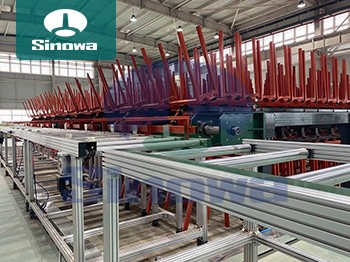
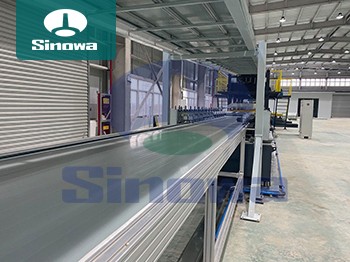
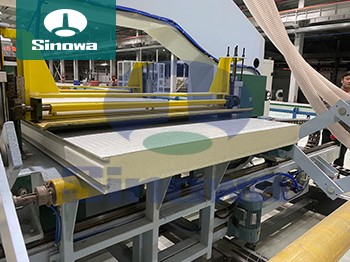
Sinowa has invested outstanding efforts in both the Continuous Insulated PU Sandwich Panel Production Line and the Roll Forming Line, This is why our products are more efficiency, quality, automatic control technology, environmental protection, energy consumption indicators and the appearance and safety protection are comprehensively leading, Some subversive design changes in many major technical points,these major innovations make our products excellent in price/performance and user experience.
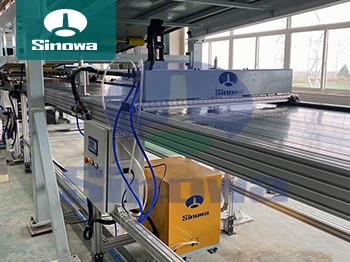
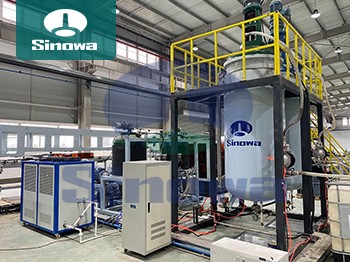
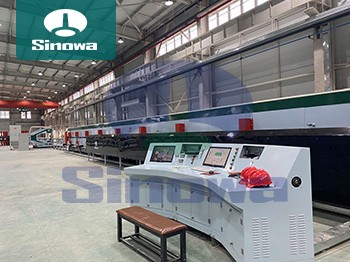
We always position our PU Sandwich Panel Line in a very high standard, strictly optimize every design for more progress. Our continuous innovation, continuous improvement of the technical design principles make us improved product updates and always pay attention to high efficiency, energy saving and stability, reduce customer worries, become their reliable business partners.
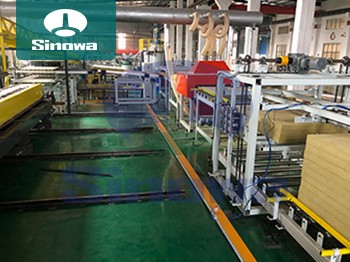
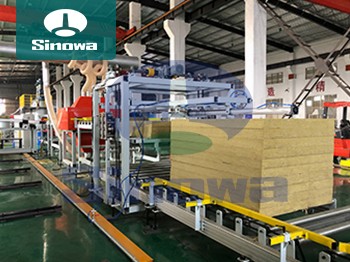
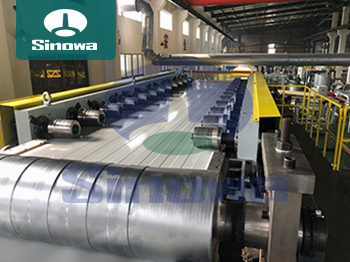
Sinowa Engineering Technology Research Center has always focused on technology research and development. we achieved a large number of scientific research results and unique patented process technology in related product research and development t every year, we continuously improve our products to have high precision and high stability in practical applications, and provide high quality for customers all over the world. Excellent technical personnel, continuous R&D investment and the technical concept of "continuous innovation and continuous improvement" are the strong guarantee for Sinowa to stand out from competitors.
Our focus is not on cost, we always pay attention to the quality of the product and how to do it better!
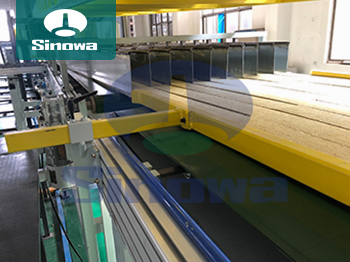
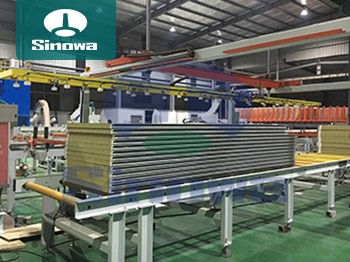
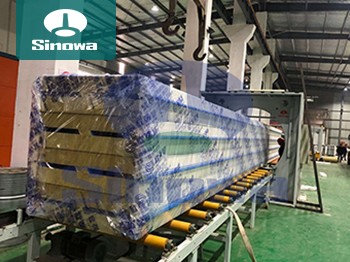
Production process control is a core part of implementing product planning and implementing quality control, which we establish A full range of production management processes and product logistics systems. We firmly believe that production without control and rules will only produce garbage products, so we pay more attention to first-class production control training while establishing a first-class production workshop, strictly follow the 5S management concept, establish systems and standards, ensure that our Sandwich Panel Machines are qualified throughout the process, achieve the technical goals of the company's products to achieve our brand value.
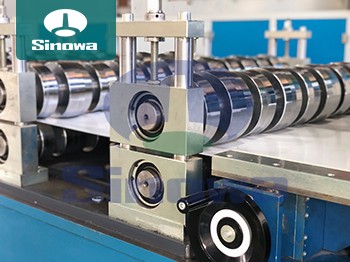
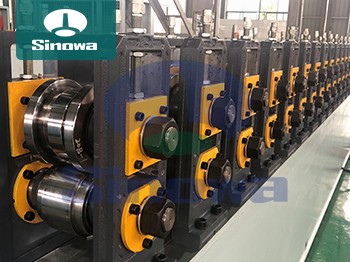
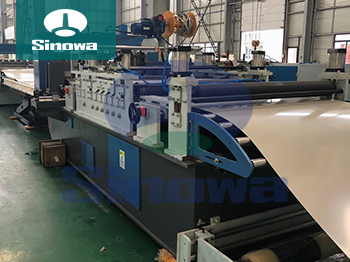
Sinowa has a very comprehensive quality control system, has a group of professional quality control personnel, familiar with almost all testing methods and standards in the field of machining, established a complete mechanical and chemical laboratory with which can fully control all quality links and ensure that all data are accurate, timely optional and available.
Relying on our good Sandwich Panel Machine quality and trustworthy service, our products are exported to more than a dozen countries in the world, and the service field continues to expand, winning more and more praise. Every customer will be our best friend!
Sandwich panel machines are specialized mechanical systems engineered to produce composite sandwich panels through a continuous, automated process. These machines combine two outer face sheets—typically made of metal such as steel or aluminum—with a core material that provides insulation and structural support, creating a "sandwich" structure that leverages the strengths of each component. The core material can vary widely depending on the intended application, including polyurethane (PU), polyisocyanurate (PIR), rock wool, glass wool, expanded polystyrene (EPS), and even honeycomb or plywood materials. Each core material offers unique properties, such as superior thermal insulation for PU and PIR, fire resistance for rock wool, and cost-effectiveness for EPS, and the machines are designed to accommodate these variations seamlessly.
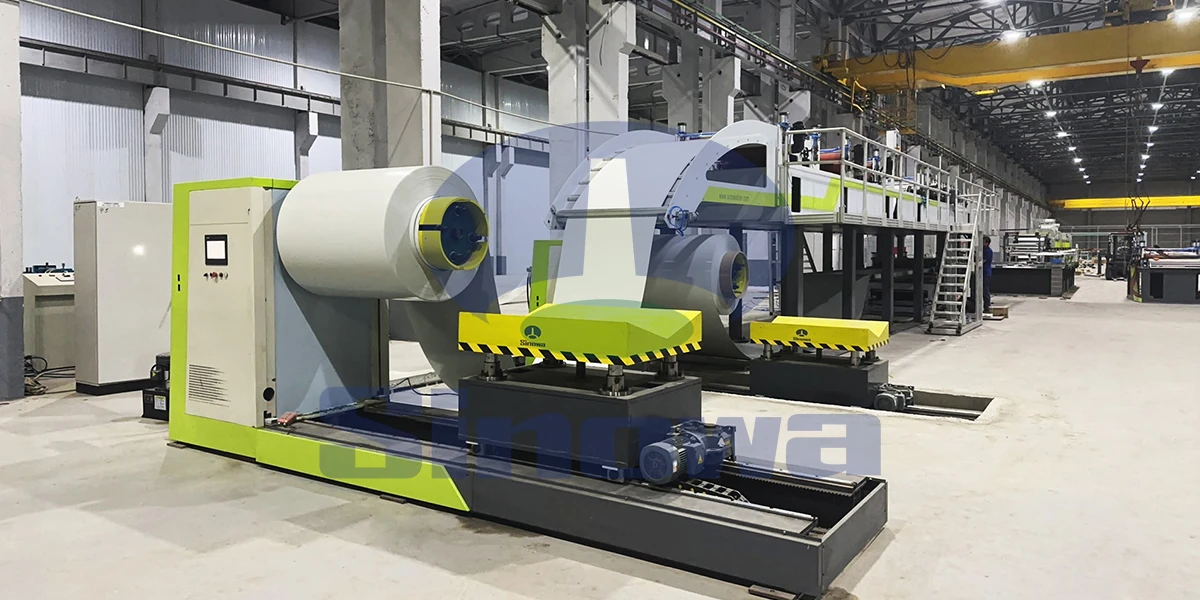
The design and construction of sandwich panel machines are centered around precision, automation, and flexibility. A complete set of sandwich panel equipment typically consists of several key components that work together to streamline the production process from raw material input to finished product output. The feeding system, which includes decoilers and leveling units, is responsible for unwinding and flattening metal coils, ensuring that the face sheets are smooth and free of internal stress before entering the forming stage. Dual decoiler configurations are often used to enable uninterrupted production, allowing for continuous feeding of both upper and lower face sheets without downtime for coil replacement. The leveling unit uses high-precision rollers to eliminate any warping or distortion in the metal sheets, ensuring consistent thickness and flatness that are critical for proper bonding with the core material.
The forming system is another essential component of sandwich panel machines, responsible for shaping the metal face sheets into the desired profile. This system typically consists of multiple sets of hardened steel rollers that gradually bend the metal sheets into specific cross-sectional shapes, such as corrugated, flat, or ribbed profiles, depending on the application. The number of forming rollers can vary based on the complexity of the profile, with more intricate designs requiring additional rollers to ensure precision. Advanced machines incorporate servo drive technology and online molding monitoring systems, allowing for real-time adjustment of parameters to maintain forming accuracy within tight tolerances, often as low as ±0.1 mm. Quick mold change technology is also a key feature, enabling manufacturers to switch between different panel profiles in less than 15 minutes, enhancing production flexibility and reducing downtime.
The core material handling system is tailored to the type of core being used, with distinct processes for liquid and solid core materials. For PU and PIR panels, the system includes a high-pressure foaming machine that injects a mixture of liquid chemicals onto the lower face sheet. These chemicals expand and harden rapidly, filling the space between the two face sheets to form a rigid, insulating foam core. The foaming process is controlled by a precise metering and mixing system, with an error margin of less than 1%, ensuring consistent foam density and insulation performance. Temperature and pressure are closely monitored during this stage, as improper control can affect the quality of the foam, leading to inconsistencies in density or bonding strength. For solid core materials such as rock wool or glass wool, the system uses an automatic feeding device that places pre-cut slabs between the face sheets, followed by an adhesive application system to ensure strong bonding between the core and the metal surfaces.
The composite compression molding system is where the face sheets and core material are bonded together to form the final sandwich panel. This system typically uses a double belt press or multi-roll composite system that applies controlled heat and pressure to the layers. The pressure range is adjustable, usually between 5 and 50 tons, to accommodate different core materials and panel thicknesses. Temperature zoning control is often employed to adapt to the specific curing requirements of different core materials—for example, PU and PIR cores require precise temperature control to ensure proper curing, while rock wool cores rely more on pressure stability for effective bonding. The double belt press ensures uniform pressure distribution across the entire panel surface, resulting in a flat, high-strength product with consistent bonding throughout.
After the composite stage, the cutting system trims the continuous panel into the desired length using high-precision flying saws or laser cutting equipment. The cutting process is automated and synchronized with the production line, ensuring clean, accurate cuts without damaging the panel structure. An automatic length measurement system with an accuracy of ±1 mm ensures that each panel meets the exact specifications required. The finished panels are then transferred to the stacking and packaging system, where robotic arms or automated conveyors stack them neatly, count them, and prepare them for shipping. This fully automated process minimizes manual labor, reduces the risk of damage to the panels, and improves overall production efficiency.
One of the key advantages of modern sandwich panel machines is their intelligent control system, which integrates PLC (Programmable Logic Controller) and industrial computer technology to monitor and optimize the entire production process. The control system allows operators to adjust parameters such as production speed, temperature, pressure, and panel length through a user-friendly touch screen interface. Advanced systems also include cloud storage and data analysis capabilities, enabling remote monitoring of production data, fault self-diagnosis, and predictive maintenance. This not only improves operational efficiency but also reduces the risk of equipment breakdowns, ensuring continuous production and minimizing downtime.
Energy efficiency is another important consideration in the design of sandwich panel machines. Manufacturers incorporate various energy-saving features to reduce operational costs and environmental impact. Thermal energy recovery systems capture and reuse heat generated during the production process, with utilization rates exceeding 85%, significantly reducing energy consumption. Frequency conversion technology is used to adjust the speed of motors and other components based on production demand, saving up to 30% in electricity usage compared to traditional machines. Additionally, closed-loop foaming systems reduce raw material waste by ensuring precise control of the foaming process, minimizing excess material usage and reducing environmental waste.
Flexibility and customization are critical features of sandwich panel machines, as they must accommodate the diverse needs of different industries and applications. These machines can be customized to produce panels of varying thicknesses, widths, and profiles, with core material thickness ranging from 30 mm to 300 mm depending on the type of core. They can also handle different face sheet materials, including galvanized steel, galvalume steel, stainless steel, aluminum, and even FRP (Fiberglass Reinforced Plastic), allowing manufacturers to produce panels tailored to specific environmental and performance requirements. For example, stainless steel face sheets are often used for cold storage panels to resist corrosion, while aluminum face sheets are preferred for applications requiring a lightweight, aesthetically pleasing finish.
The applications of sandwich panels produced by these machines are vast and diverse, spanning multiple industries. In the construction sector, they are widely used for exterior walls, roofs, and partitions in industrial plants, warehouses, commercial buildings, and residential structures. Their excellent thermal insulation properties help reduce energy consumption for heating and cooling, making them an environmentally friendly choice for modern buildings. In the cold chain and logistics industry, sandwich panels are used to construct cold storage facilities, refrigerated trucks, and containers, as they can maintain stable temperatures ranging from -40℃ to 120℃, ensuring the quality and safety of perishable goods. They are also used in the construction of clean rooms for pharmaceutical, food processing, and electronics manufacturing facilities, where their smooth, easy-to-clean surfaces and excellent airtightness help maintain sterile environments.
Another important application area is prefabricated and modular construction, where sandwich panels are used to build modular homes, temporary offices, and disaster relief shelters. The lightweight nature of the panels makes them easy to transport and install, significantly reducing construction time and labor costs compared to traditional building materials. Additionally, sandwich panels are used in the automotive industry for the production of RVs and refrigerated truck bodies, as well as in the aerospace and marine industries for their high strength-to-weight ratio and corrosion resistance.
Proper maintenance of sandwich panel machines is essential to ensure their long-term reliability and performance. Daily maintenance tasks include cleaning the equipment surfaces and work areas to remove dust and debris, checking lubrication points and replenishing lubricating oil, and inspecting air pressure and hydraulic system pressure. Regular maintenance includes monthly checks of the transmission system for wear, quarterly calibration of measurement and control systems, and annual comprehensive maintenance of the electrical system. Key components such as the foaming machine mixing head, forming rollers, and cutting blades require special attention, with regular cleaning, inspection, and replacement as needed. Establishing a detailed maintenance plan and training operators on basic fault diagnosis skills can help prevent equipment failures and extend the service life of the machines.
As the construction industry continues to evolve towards industrialization, energy conservation, and environmental protection, the demand for high-quality sandwich panel machines is expected to grow. Manufacturers are constantly innovating to improve the performance, efficiency, and sustainability of their equipment. Future trends include the integration of IoT (Internet of Things) technology for real-time monitoring and remote control, the development of more environmentally friendly foaming materials and processes, and the design of more compact, space-saving machines that are suitable for small to medium-sized production facilities. Additionally, there is a growing focus on enhancing the flexibility of the machines to accommodate new types of core materials and panel designs, ensuring that they can meet the changing needs of the industry.
In conclusion, sandwich panel machines play a vital role in the production of high-performance composite panels that are transforming the construction and manufacturing industries. As a manufacturer dedicated to these machines, the commitment is to deliver equipment that combines precision, automation, flexibility, and energy efficiency, enabling businesses to produce high-quality sandwich panels efficiently and cost-effectively. By integrating advanced technologies, focusing on customization, and prioritizing reliability and maintenance, sandwich panel machine manufacturers support the growth and innovation of industries worldwide, providing solutions that meet the diverse needs of modern construction and manufacturing applications. Whether for large-scale industrial production or small-scale customized projects, these machines are essential tools for creating durable, energy-efficient, and versatile building materials that will continue to shape the future of construction.
« Sandwich Panel Machines Manufacturer » Update Date: 2026/4/15
Tags: Continuous Polyurethane Sandwich Panel Machine , Rockwool Sandwich Panel Machine , Rock Wool Sandwich Panel Machine , Continuous PU Sandwich Panel Machine , Continuous Sandwich Panel Machines , PIR Sandwich Panel Machine , Polyurethane Sandwich Panel Machine , Sandwich Panel Machine , PU Sandwich Panel Machine ,
URL: https://m.sinowa.cn/blog/sandwich-panel-machines-manufacturer.html
A pu sandwich panel line stands as a highly efficient and automated production solution dedicated to manufacturing high-performance insulated panels, playing a vital role in modern construction and industrial engineering sectors. This integrated production system streamlines the entire manufacturing process, starting with the uncoiling and leveling of outer facing materials, which are carefully treated to ensure flat, smooth surfaces free of defects and suitable for subsequent bonding. Next comes the core production step: precise mixing and uniform distribution of polyurethane raw materials, where specialized equipment controls the ratio and flow rate strictly to guarantee consistent foam density and stable bonding performance between the core and facings. The pu sandwich panel machine features a controlled curing and forming system that maintains stable temperature and pressure conditions, allowing the polyurethane foam to fully expand, solidify and bond tightly with the upper and lower layers, forming a rigid, durable sandwich structure. Post-forming, the panels go through accurate cutting and finishing processes to meet diverse size specifications demanded by different projects. Designed for continuous operation, this pu sandwich panel production line boosts manufacturing efficiency remarkably while ensuring uniform product quality across batches, reducing manual errors and material waste effectively. The finished PU sandwich panels deliver outstanding thermal insulation, sound absorption and structural strength, making them widely applicable in building roofs, walls, cold storage facilities and industrial workshops, adapting to various environmental and functional needs with reliable performance and long service life.