- Home
- Sandwich Panel Line
- Roll Forming Machine
- CZ Purlin Roll Forming Machine
- Door Window Curtain Partition Roll Forming Machine
- Gutter Roll Forming Machine
- Clean Partition Panel Machine
- Corrugated Panel Roll Forming Machine
- Double Layer Roof Roll Forming Machine
- High Speed Keel Roll Forming Machine
- Light Steel-Frame Structure Production Line
- C Channel Roll Forming Machine
- Insulated Panels
- Steel Profiles
- About
- Contact
PU Sandwich Panel Line Design
Sinowa is a sandwich panel line supplier from china, design and custom-made sandwich panel line, know more about pu sandwich panel line design, pls contact us, we will contact you as soon as possible!
The design of a PU sandwich panel production line stands as a critical engineering endeavor that merges material science, mechanical automation, process optimization, and industrial ergonomics, aiming to transform raw materials into high-performance composite panels with consistent quality, efficient output, and reliable operational stability. PU sandwich panels, distinguished by their lightweight structure, exceptional thermal insulation, sound absorption, and mechanical strength, have become indispensable in modern construction, cold chain logistics, clean room manufacturing, and industrial facility construction, making the rationality and precision of the production line design directly determine the final product performance, production efficiency, and long-term operational value of the entire manufacturing system. Unlike fragmented production setups, a well-designed PU sandwich panel line follows a holistic, integrated philosophy, where every component, process parameter, and operational link is meticulously planned to eliminate bottlenecks, reduce material waste, minimize manual intervention, and adapt to diverse product specifications without compromising core performance indicators.
Sinowa dedicated to the research and development of high-end and high-efficiency Sandwich Panel Production Line, Sinowa is comprehensively taking the leading position in terms of efficiency, automation control level, HMI, environment protection and energy consumption, with subversive designs made in some critical technological fields to procure exceptional cost performance and customer-friendly experience for the entire production line. The adoption of system integration technology and bus control technology accomplishes the full automatization of integrated and coordinated control of the entire production line with accessible remote interactive communication. Ranking the first-class level in the world, it is currently the PU Sandwich Panel Machine in the market taking a comprehensive lead in high performance.
Sinowa is a well-known manufacturer and technical service provider of high-end PU Sandwich Panel Machines and various high-performance Cold Roll Forming Machine in China. Our main products include polyurethane double-sided color steel Sandwich Panel Production Line, polyurethane and phenolic soft facing insulation panel production line and high-efficiency roll forming lines.
Sinowa is committed to the development and manufacturing of high-end and high-efficiency Sandwich Panel Lines. Our production lines are leading the way in efficiency, automatic control, human-computer interaction, environmental protection and energy consumption. Using system integration and bus control technology, it realizes the automatic integrated linkage control of the entire production line, and can achieve remote interactive communication, which has the world-class level and a comprehensive leading high-performance production line in the market.
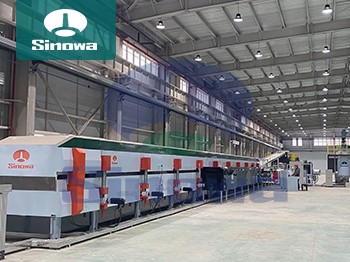
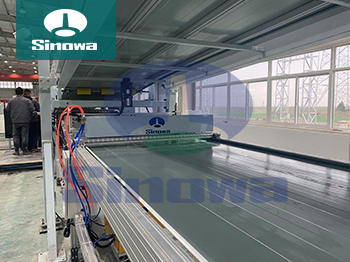
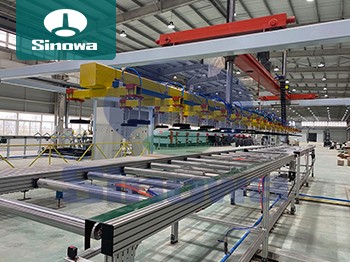
For more than ten years, we have never deliver two same lines to our client, there are all the crystallization of continuous improvement, we have been trying to surpass ourselves, create better products to serve our customers, and also accumulate our brand value, become a unique Chinese enterprise, we are no longer synonymous with low price and mediocre quality.
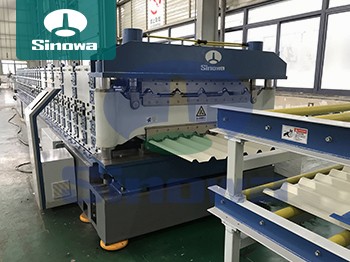
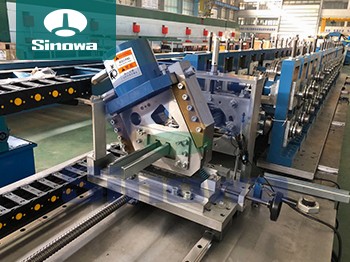
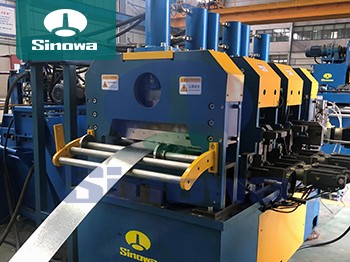
Since 2014, we have established our Cold Forming Machine design and manufacturing department, started our R&D and production of high-end cold forming equipment. Base on our innovative and high-end and efficient product concepts,In just a few years, we have created our own impressive achievements in this field. Whether ordinary construction products of Roll Forming Machine, or precision steel pipe equipment, elevator profile equipment, automotive profile equipment, precision door and window profile equipment, we are the leader of Chinese equipment with high efficiency, high quality and beautiful appearance design.
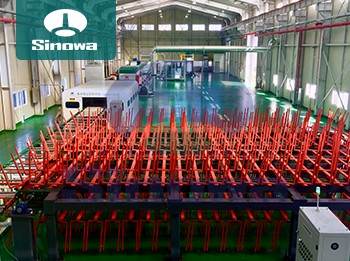
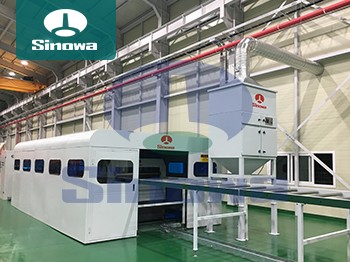
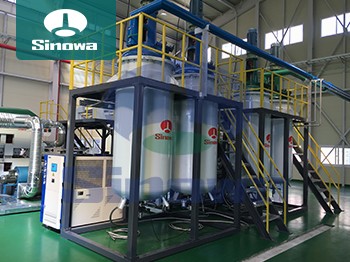
For more than ten years, relying on our innovative manufacturing concept and excellence in quality, reliable and trustworthy service to customers, we cooperate with customers all over the world, exported products to Canada, South Korea, Israel, Australia, the Middle East and other more than 20 countries and regions. contributed to building energy conservation and low-carbon production and have won widespread praise.
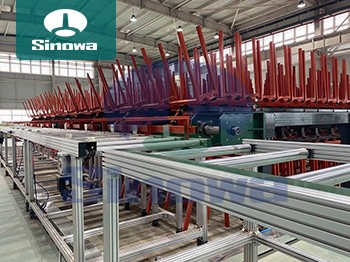
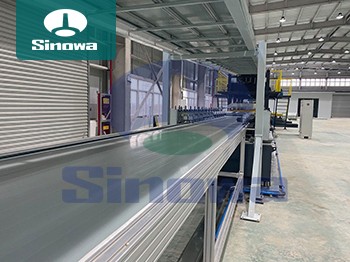
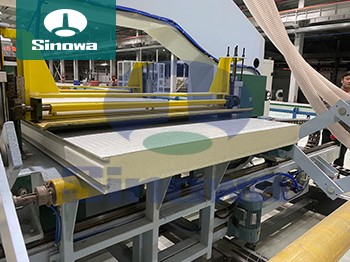
Sinowa has invested outstanding efforts in both the Continuous Insulated PU Sandwich Panel Production Line and the Roll Forming Line, This is why our products are more efficiency, quality, automatic control technology, environmental protection, energy consumption indicators and the appearance and safety protection are comprehensively leading, Some subversive design changes in many major technical points,these major innovations make our products excellent in price/performance and user experience.
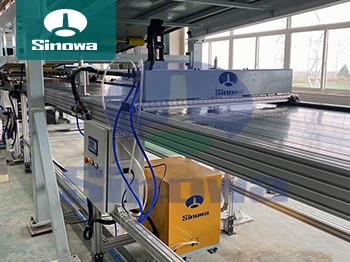
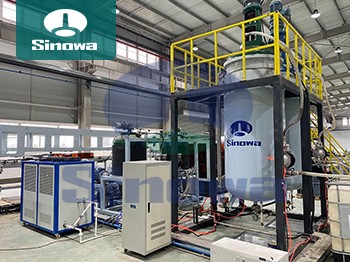
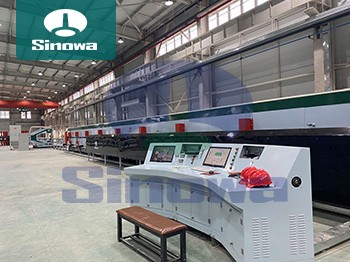
We always position our PU Sandwich Panel Line in a very high standard, strictly optimize every design for more progress. Our continuous innovation, continuous improvement of the technical design principles make us improved product updates and always pay attention to high efficiency, energy saving and stability, reduce customer worries, become their reliable business partners.
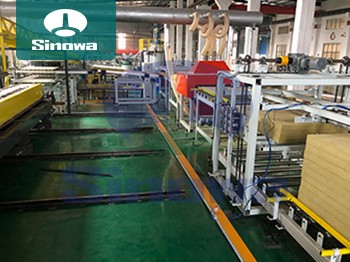
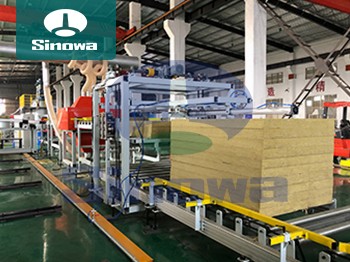
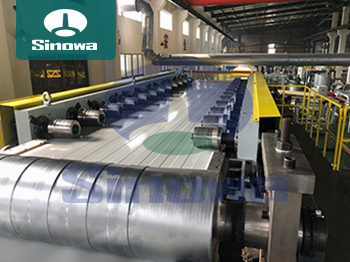
Sinowa Engineering Technology Research Center has always focused on technology research and development. we achieved a large number of scientific research results and unique patented process technology in related product research and development t every year, we continuously improve our products to have high precision and high stability in practical applications, and provide high quality for customers all over the world. Excellent technical personnel, continuous R&D investment and the technical concept of "continuous innovation and continuous improvement" are the strong guarantee for Sinowa to stand out from competitors.
Our focus is not on cost, we always pay attention to the quality of the product and how to do it better!
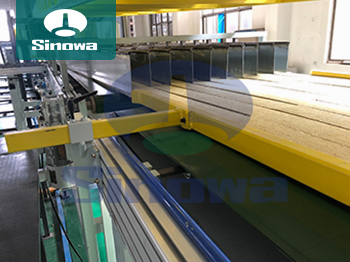
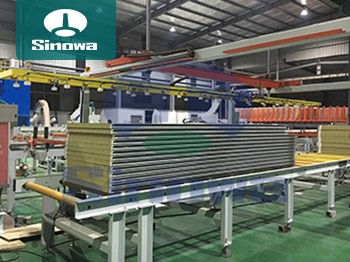
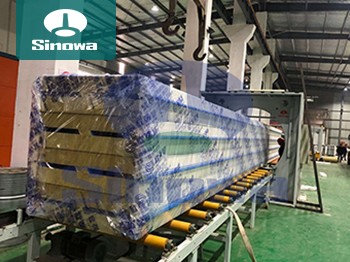
Production process control is a core part of implementing product planning and implementing quality control, which we establish A full range of production management processes and product logistics systems. We firmly believe that production without control and rules will only produce garbage products, so we pay more attention to first-class production control training while establishing a first-class production workshop, strictly follow the 5S management concept, establish systems and standards, ensure that our Sandwich Panel Machines are qualified throughout the process, achieve the technical goals of the company's products to achieve our brand value.
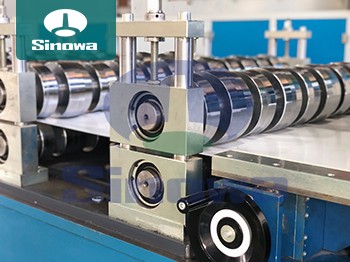
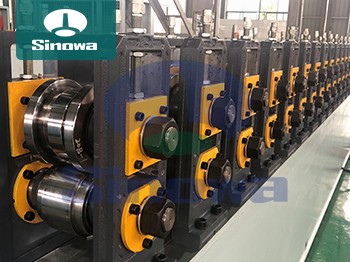
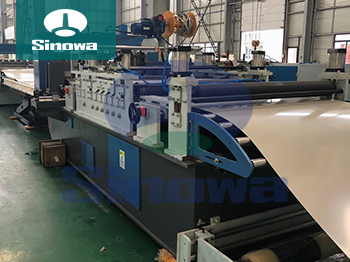
Sinowa has a very comprehensive quality control system, has a group of professional quality control personnel, familiar with almost all testing methods and standards in the field of machining, established a complete mechanical and chemical laboratory with which can fully control all quality links and ensure that all data are accurate, timely optional and available.
Relying on our good Sandwich Panel Machine quality and trustworthy service, our products are exported to more than a dozen countries in the world, and the service field continues to expand, winning more and more praise. Every customer will be our best friend!
At the initial stage of PU sandwich panel line design, the foremost consideration is the definition of production capacity and product adaptability, which serves as the foundational framework for all subsequent structural and functional layouts. Production capacity is not merely a measure of output volume but a balanced index that combines line speed, panel size range, and continuous operation capability, requiring designers to assess market demand, plant space constraints, and energy supply conditions to determine the optimal operational scale. Product adaptability, meanwhile, focuses on the line’s ability to accommodate variable panel specifications, including thickness, width, length, and facing material types, as modern manufacturing demands flexible production to cater to customized project needs without frequent, time-consuming line reconfiguration. This stage involves in-depth analysis of material characteristics, particularly the properties of PU foam raw materials and facing substrates, such as the tensile strength, surface flatness, and heat resistance of metal coils, as well as the foaming rate, curing time, and bonding performance of PU composite materials, all of which dictate the tolerance settings, speed parameters, and processing temperature ranges of the production line.
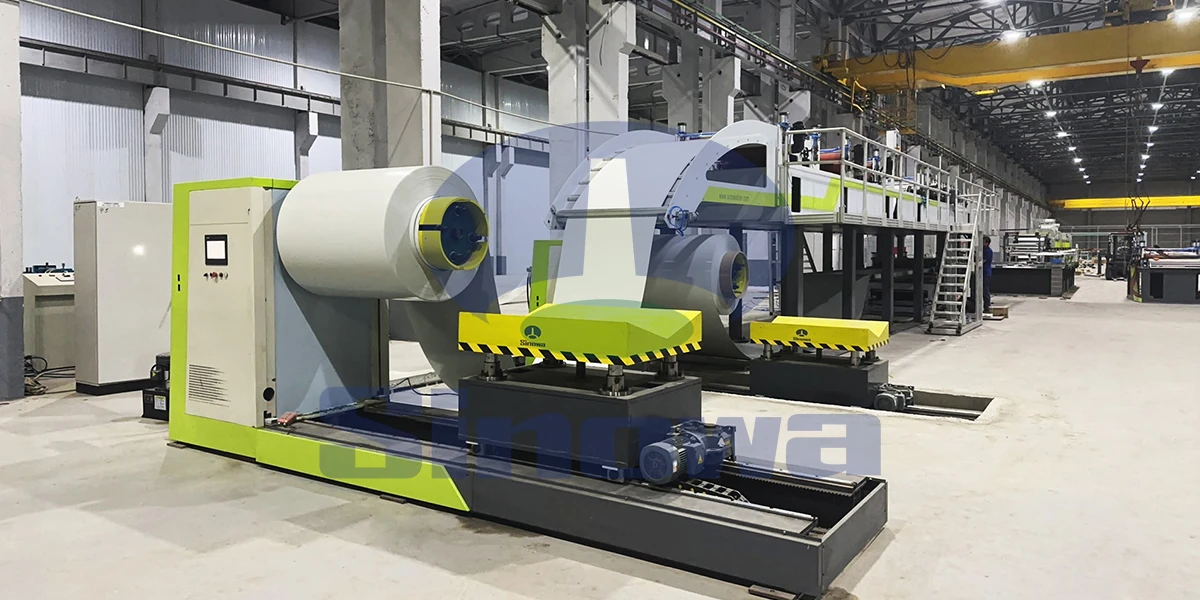
Moving into the core process layout of the PU sandwich panel line, the unwinding and pretreatment section lays the groundwork for subsequent forming quality, and its design prioritizes stability, precision, and continuity. This section is responsible for feeding and preprocessing the upper and lower facing materials, typically metal coils, and must incorporate automatic deviation correction systems to maintain perfect alignment of the substrates throughout the unwinding process, preventing edge misalignment that would lead to uneven panel forming or material scrap. Additionally, preheating and surface treatment modules are integrated here, designed to activate the surface of the facing materials, enhance the bonding force between the substrates and the PU foam core, and eliminate surface moisture or impurities that could weaken interlayer adhesion. The mechanical structure of this section features robust support frames, smooth transmission rollers, and adjustable tension control mechanisms, ensuring that the facing materials maintain consistent tightness without wrinkling, stretching, or deformation, even as the line operates at varying speeds. The design also accounts for quick coil replacement, with streamlined loading and clamping structures to reduce downtime and improve overall production continuity, a key factor in enhancing the line’s effective operating rate.
Following the pretreatment section, the roll forming and edge processing module takes shape, a precision-driven part of the line that shapes the flat facing materials into the required profile structures, including locking edges, reinforcing ribs, and sealing grooves, which are vital for the assembly and functional performance of the finished panels. The design of the roll forming system centers on modular tooling and progressive forming technology, with a series of carefully arranged forming stands that gradually bend and shape the substrates step by step, avoiding sudden deformation that would cause material fatigue or surface damage. Each forming roll is engineered with high-precision machining and wear-resistant materials to maintain dimensional accuracy over long production runs, while the spacing and pressure of the rolls are adjustable to adapt to different substrate thicknesses and profile designs. Edge processing is integrated synchronously with roll forming, including trimming, beveling, and sealing strip embedding, designed to ensure consistent edge dimensions and tight sealing performance, which are critical for the thermal insulation and waterproofing properties of the panels in practical applications. The control system for this section adopts linked regulation, synchronizing the forming speed with the line’s overall operating rhythm to prevent mismatched processing speeds that would disrupt production flow.
The heart of the PU sandwich panel line design lies in the PU foaming and laminating system, where the chemical reaction of PU raw materials and the composite forming of the sandwich structure occur, demanding unparalleled precision in material metering, temperature control, and pressure regulation. This system consists of a high-precision raw material metering and mixing unit, a uniform distribution mechanism, and a double-belt laminating machine, each component designed to work in seamless coordination to ensure the PU foam core is dense, uniform, and firmly bonded to the facing materials. The metering and mixing unit is engineered to deliver precise ratios of polyol and isocyanate components, with constant temperature control to maintain the fluidity and reactivity of the raw materials, and high-speed mixing heads to achieve thorough homogenization, which directly affects the foaming quality and structural stability of the core layer. The distribution mechanism ensures the mixed PU raw materials are evenly spread across the entire width of the lower facing material, avoiding local accumulation or sparseness that would create weak spots in the panel.
The double-belt laminating machine, as the core forming equipment, features two parallel, high-rigidity conveyor belts with adjustable spacing to set the panel thickness accurately, and a controlled heating system to accelerate the PU foaming and curing reaction. The design of the belts emphasizes flatness, wear resistance, and heat conduction uniformity, with stable pressure application to prevent the foam from expanding irregularly and to ensure tight bonding between the core and facings. The length and heating temperature of the laminating machine are calibrated based on the curing characteristics of the PU foam, providing sufficient residence time for the chemical reaction to complete fully, so that the foam core achieves the desired density, compressive strength, and thermal insulation performance. Temperature control in this section is closed-loop and real-time, with sensors distributed along the laminating area to monitor and adjust temperatures dynamically, avoiding overheating that causes foam cracking or underheating that leads to incomplete curing. This level of precision design is essential to eliminate internal defects in the panels and ensure each product meets the required performance standards.
Subsequent to the laminating and curing process, the cooling and shaping section plays a key role in stabilizing the panel structure and releasing internal stress, with its design focused on gradual, uniform cooling to prevent deformation caused by rapid temperature changes. This section adopts a natural cooling combined with controlled air circulation mode, avoiding direct cold air blowing that would lead to surface warping or internal stress concentration in the panels. The conveying rollers here are arranged at reasonable intervals to support the panels evenly during cooling, maintaining their flatness and dimensional stability as the PU foam fully solidifies and strengthens. The length of the cooling section is determined by the line speed and panel thickness, ensuring that the panels reach a safe handling temperature before entering the cutting and finishing process, preventing dimensional deviations or surface damage during subsequent processing.
The cutting and finishing module is designed for high-precision, burr-free processing, translating the continuous formed panel into finished products of specified lengths and dimensions, with flexibility to adapt to custom cutting requirements. The cutting system adopts a servo-driven precision mechanism, with real-time length measurement and automatic positioning to ensure cutting accuracy within tight tolerances, and the cutting tools are selected for wear resistance and sharpness to maintain smooth edges without burrs or delamination. The design also incorporates dust collection and debris removal functions, keeping the production environment clean and preventing dust from adhering to the panel surface, which preserves the appearance quality of the finished products. Additionally, the cutting speed is synchronized with the line’s operating speed to maintain continuous production flow, avoiding backlogs or interruptions that would reduce overall efficiency. After cutting, the panels are transferred to a finishing and inspection station, where surface cleaning, edge trimming, and preliminary quality inspection are carried out, sorting out panels with surface defects, dimensional deviations, or structural flaws to ensure only qualified products enter the packaging and storage stage.
The electrical control and automation system is the nerve center of the entire PU sandwich panel line, and its design is centered on intelligent linkage, real-time monitoring, and operational safety, aiming to minimize manual operation and improve production consistency. The control system adopts a centralized management and distributed control architecture, integrating programmable logic controllers, touchscreen human-machine interfaces, and various sensors to realize unified regulation of all process sections, including line speed, temperature, pressure, material metering, and cutting dimensions. Operators can set and adjust production parameters through the touchscreen, with the system automatically synchronizing the operation of each module to ensure coordinated and stable operation of the entire line. Real-time monitoring functions are embedded throughout the line, with sensors collecting data on operating status, temperature fluctuations, pressure changes, and material consumption, transmitting real-time feedback to the control center for dynamic parameter adjustment and fault early warning. This not only reduces the risk of production accidents caused by human error but also enables timely detection of equipment abnormalities, preventing prolonged downtime and reducing maintenance costs.
Safety design is an indispensable part of PU sandwich panel line design, running through every process and component, prioritizing the protection of operators and the stable operation of equipment. The line is equipped with comprehensive safety protection devices, including emergency stop buttons at each operation station, safety guards for rotating and moving components, anti-pinch protection, and explosion-proof measures for the PU foaming area, which handles flammable and reactive raw materials. Electrical systems are designed with insulation, leakage protection, and overload protection to prevent electrical hazards, while the mechanical structure is engineered with sufficient load-bearing capacity and stability to resist vibration and deformation during long-term operation. Safety warning signs and interlock mechanisms are also integrated, ensuring that equipment cannot start unless safety guards are in place and stopping operation automatically if abnormal conditions are detected, creating a safe operating environment for on-site workers.
Environmental protection and energy efficiency are key considerations in modern PU sandwich panel line design, aligning with sustainable industrial development requirements and reducing the ecological impact of production activities. The design incorporates energy-saving components, such as high-efficiency heating elements with thermal insulation layers to reduce heat loss, variable frequency drives for motors to adjust power consumption based on load, and optimized process layouts to minimize energy waste. For environmental protection, dust collection systems are installed at dust-generating points, waste material recovery devices are added to collect leftover substrates and PU scraps for recycling, and closed-loop material handling is adopted to prevent raw material leakage and environmental pollution. The selection of foaming agents also follows environmental protection standards, using low-carbon, non-toxic alternatives that comply with green production requirements, reducing harmful emissions and ensuring the production process is eco-friendly.
Maintenance and scalability are also vital aspects of PU sandwich panel line design, focusing on reducing long-term operating costs and adapting to future technological upgrades and market changes. The line adopts a modular structural design, with each functional section independently assembled and easy to disassemble, facilitating routine inspection, parts replacement, and maintenance work, and minimizing maintenance downtime. Key wearing parts are designed for quick replacement, with standardized specifications to reduce the difficulty of spare parts management. Scalability is reflected in the reserved space and interface design, allowing for the addition of functional modules such as automatic stacking, online performance testing, or intelligent storage systems in the future, as well as adjustments to process parameters to adapt to new PU foam formulations or facing material types. This forward-looking design ensures the production line can evolve with market demands and technological advancements, extending its service life and enhancing its long-term value.
In summary, the design of a PU sandwich panel line is a systematic and comprehensive engineering project that balances production efficiency, product quality, operational safety, environmental protection, and economic viability. It requires designers to integrate knowledge of material science, mechanical engineering, automation technology, and industrial management, considering every detail from raw material feeding to finished product output, and optimizing the coordination between each process and component. A scientifically designed PU sandwich panel line not only delivers stable, high-quality products and efficient production capacity but also reduces energy consumption, material waste, and maintenance costs, providing a solid technical foundation for manufacturers to gain a competitive edge in the market. As the demand for high-performance composite panels continues to grow and industrial technology advances, the design of PU sandwich panel lines will keep evolving towards higher intelligence, flexibility, and sustainability, constantly pushing the development of the entire PU sandwich panel manufacturing industry.
« PU Sandwich Panel Line Design » Update Date: 2026/3/6
Tags: Automatic Sandwich Panel Line , Fully Automatic Polyurethane Sandwich Panel Line , Rockwool Sandwich Panel Line , Fully Automatic PU Sandwich Panel Lines , PIR Sandwich Panel Line , Rock Wool Sandwich Panel Line , Mineral Wool Sandwich Panel Line , Continuous Sandwich Panel Line , Continuous PU Sandwich Panel Line , Polyurethane Sandwich Panel Line , Sandwich Panel Line , PU Sandwich Panel Line ,
URL: https://m.sinowa.cn/blog/pu-sandwich-panel-line-design.html
A pu sandwich panel line stands as a highly efficient and automated production solution dedicated to manufacturing high-performance insulated panels, playing a vital role in modern construction and industrial engineering sectors. This integrated production system streamlines the entire manufacturing process, starting with the uncoiling and leveling of outer facing materials, which are carefully treated to ensure flat, smooth surfaces free of defects and suitable for subsequent bonding. Next comes the core production step: precise mixing and uniform distribution of polyurethane raw materials, where specialized equipment controls the ratio and flow rate strictly to guarantee consistent foam density and stable bonding performance between the core and facings. The pu sandwich panel machine features a controlled curing and forming system that maintains stable temperature and pressure conditions, allowing the polyurethane foam to fully expand, solidify and bond tightly with the upper and lower layers, forming a rigid, durable sandwich structure. Post-forming, the panels go through accurate cutting and finishing processes to meet diverse size specifications demanded by different projects. Designed for continuous operation, this pu sandwich panel production line boosts manufacturing efficiency remarkably while ensuring uniform product quality across batches, reducing manual errors and material waste effectively. The finished PU sandwich panels deliver outstanding thermal insulation, sound absorption and structural strength, making them widely applicable in building roofs, walls, cold storage facilities and industrial workshops, adapting to various environmental and functional needs with reliable performance and long service life.